For many emerging fashion brands, competing with large companies can seem impossible.
Large brands have bigger marketing budgets, stronger distribution networks, and the ability to produce thousands of garments at lower costs. They can launch global campaigns, negotiate better material prices, and occupy prime retail locations.
So how can a small clothing brand compete?
The answer is not trying to become a smaller version of a large company.
Small brands win by doing things that large companies often struggle with: moving faster, understanding customers better, creating more focused products, and building stronger relationships with their suppliers.
Small clothing brands can compete with large fashion companies by focusing on a clear niche, developing unique products, reducing inventory risks, and using flexible OEM manufacturing strategies. Instead of competing on production volume or marketing budgets, smaller brands can create advantages through speed, creativity, and closer customer relationships.
After working with apparel brands, wholesalers, and designers from different markets, we’ve seen that successful small brands usually don’t win because they have more resources. They win because they use their resources more carefully.
Large Brands Have Scale. Small Brands Have Flexibility.
The biggest advantage of a large fashion company is scale.
They can produce tens of thousands of pieces, secure better fabric prices, and spread marketing costs across a huge customer base.
However, scale also creates limitations.
Large companies often need longer approval processes. A design may pass through multiple departments before reaching production. Changing a product direction after production planning has started can be expensive and complicated.
Small brands operate differently.
A founder can notice a customer trend on Monday, develop a sample within weeks, and launch a product while larger companies are still discussing the opportunity.
This flexibility is one of the strongest advantages a small brand has.
The key is knowing how to use it.
Don’t Compete with Big Brands on Their Strengths
One of the biggest mistakes small brands make is trying to compete in areas where large companies already dominate.
A startup clothing brand usually cannot beat global companies on:
- Lowest price
- Production volume
- Advertising budget
- Retail coverage
Trying to compete there often creates unnecessary pressure.
Instead, smaller brands should look for opportunities where large companies are weaker.
A niche audience.
A specific product category.
A unique design language.
A stronger connection with customers.
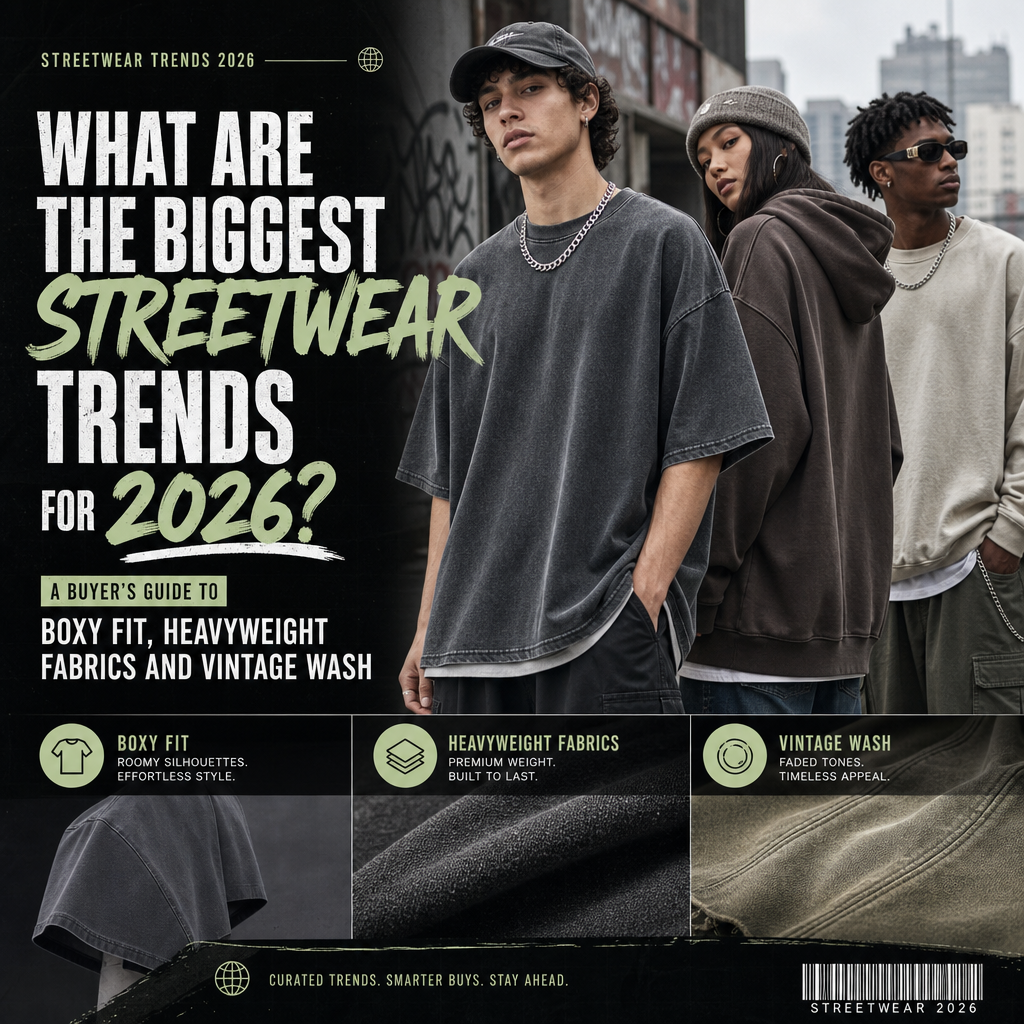
For example, a small streetwear brand doesn’t need to compete with global sportswear companies selling millions of hoodies. It may succeed by creating a smaller collection with better storytelling, stronger design details, and a community that identifies with the brand.
A Clear Product Identity Is More Valuable Than a Large Collection
Many new brands believe they need many products to appear professional.
The opposite is often true.
Customers remember brands that stand for something specific.
A company known for heavyweight oversized hoodies has a clearer identity than a brand selling T-shirts, jackets, jeans, bags, and accessories without a clear direction.
Large brands can afford broad product lines because customers already know them.
Small brands need focus.
A strong first collection might contain:
- One signature hoodie
- A few supporting T-shirts
- Matching bottoms
- Limited seasonal releases
The goal is not to fill a catalog.
The goal is to give customers a reason to remember the brand.
Use Small Production Runs as a Competitive Advantage
Many small brands see low order quantities as a disadvantage.
They compare themselves with large companies that can produce thousands of pieces at lower prices.
But smaller production volumes can actually become an advantage.
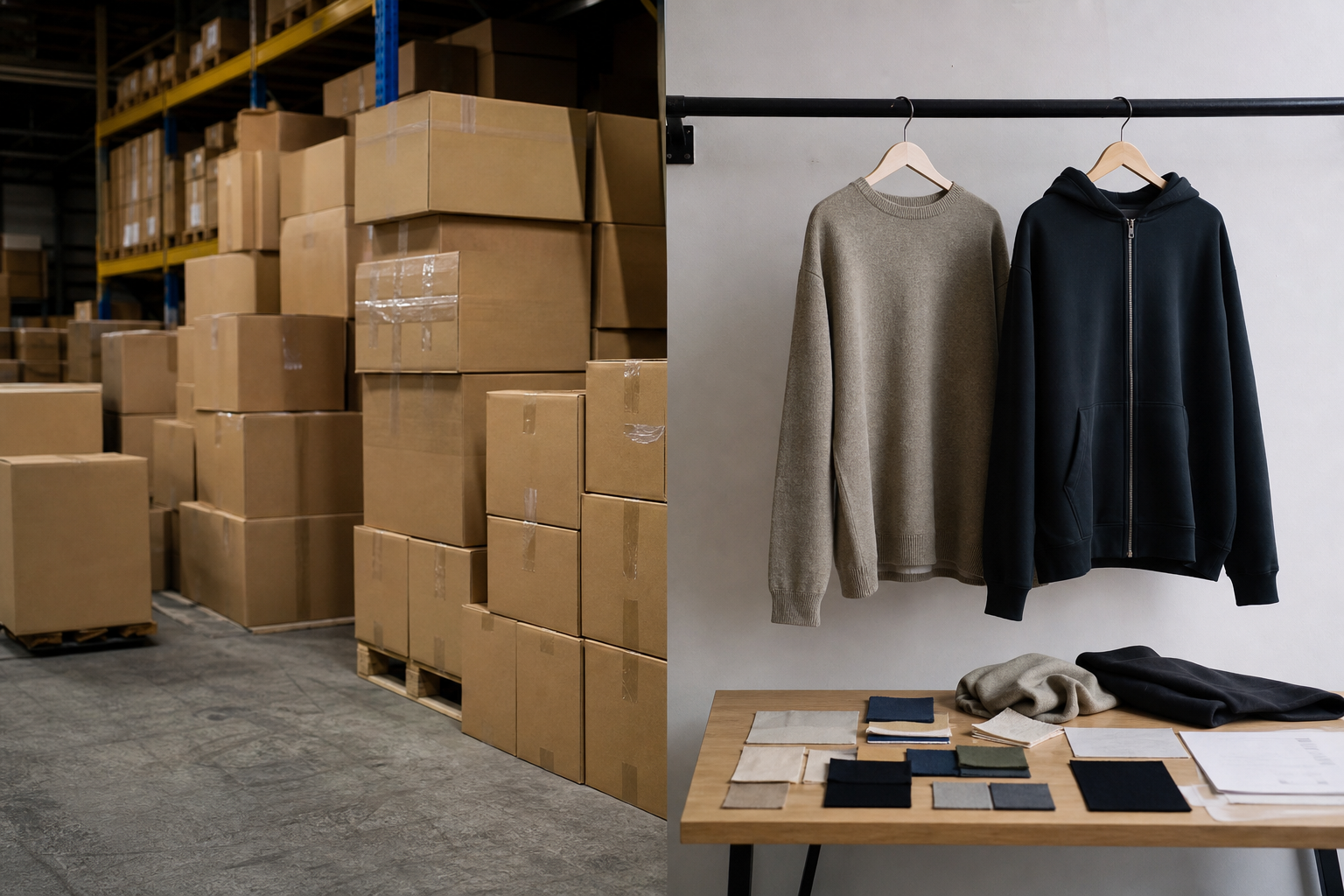
Large brands often need to predict demand months in advance. If a product performs poorly, they may be left with significant inventory.
Small brands can test.
They can produce a limited quantity, collect customer feedback, and adjust quickly.
For example:
A brand may release 200 hoodies in three colors.
After analyzing sales, they discover that one color sells much faster.
The next production order can focus on that color instead of repeating the same mistake on a larger scale.
This approach reduces inventory risk and helps brands make decisions based on real market data.
The Right Manufacturer Can Change the Game
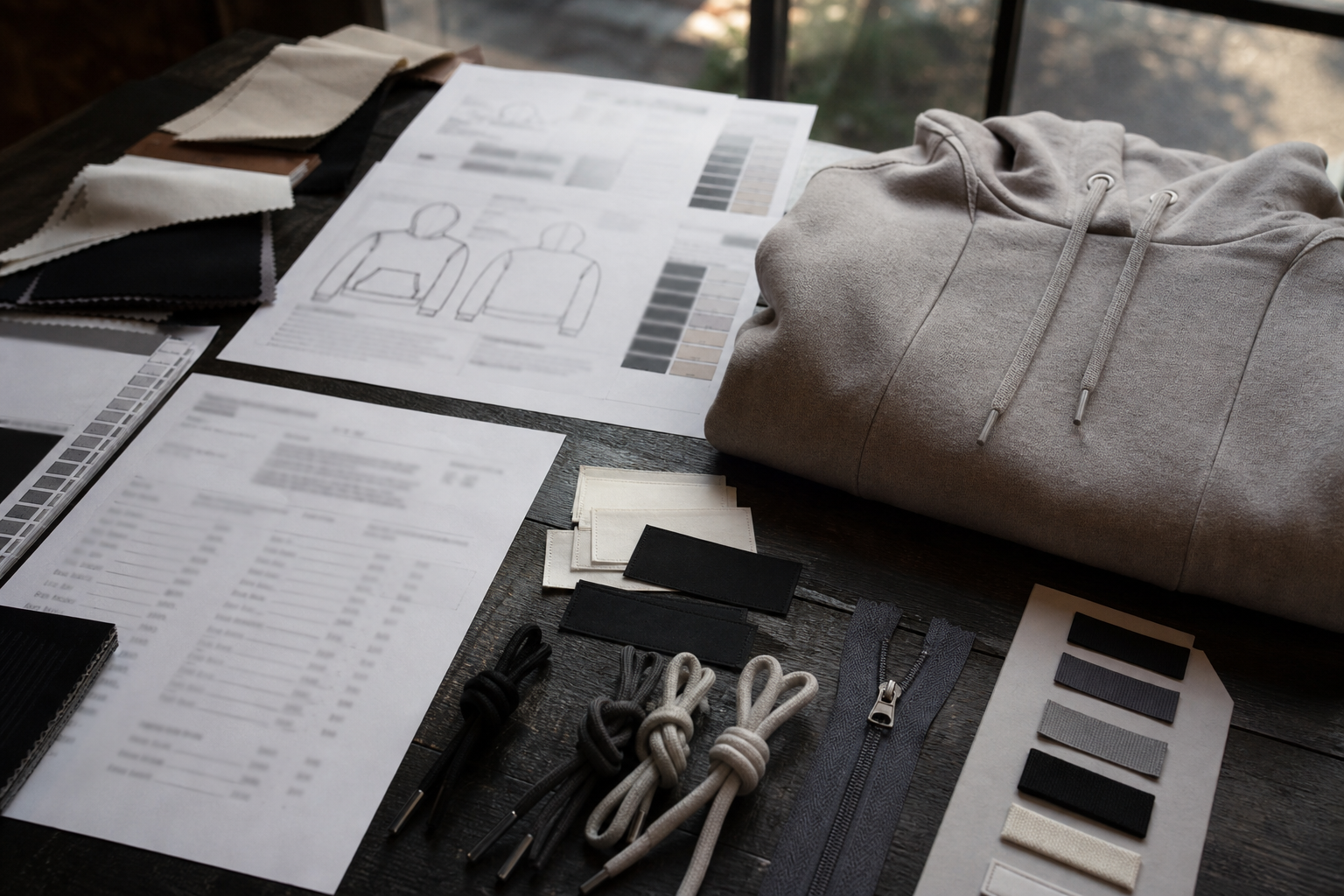
For small brands, choosing the right apparel manufacturer is often more important than choosing the lowest price.
Large companies usually have internal teams managing product development.
Smaller brands often depend heavily on their manufacturing partners.
A good OEM supplier can help with:
- Fabric selection
- Pattern adjustments
- Production recommendations
- Cost control
- Printing and embroidery options
- Quality control
- Packaging solutions
This doesn’t mean the factory designs the product for you.
It means you have access to manufacturing experience that can prevent expensive mistakes.
A designer may have a strong creative vision but limited knowledge about fabric behavior or production limitations. A good manufacturer helps turn that vision into a product that can actually be produced.
Small Brands Should Develop Products, Not Just Buy Products
Many new businesses focus only on finding cheap suppliers.
That approach often leads to products that look similar to thousands of others in the market.
Long-term brands are built through product development.
The difference may come from:
- A better fabric choice
- A unique garment wash
- A special embroidery technique
- Improved fitting
- Better construction details
Customers rarely become loyal because a product is slightly cheaper.
They return because the product feels different.
For example, a hoodie with a carefully developed fabric weight, custom fit, and distinctive finishing can create more brand value than a standard hoodie with only a different logo.
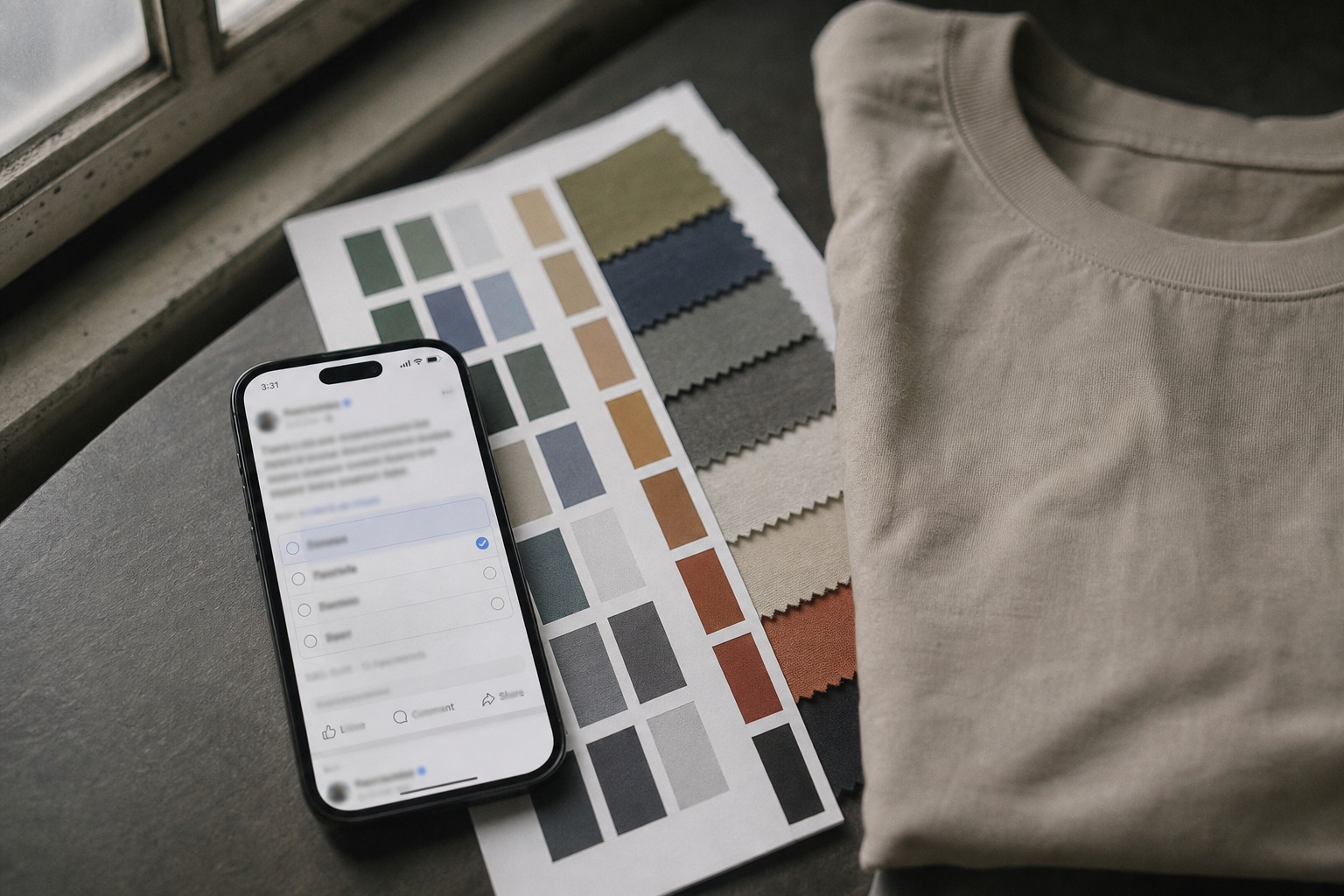
Speed Can Beat Size
Fashion moves quickly.
Customer preferences change.
Social media trends appear and disappear.
Large companies have advantages in resources, but they often cannot react quickly.
A small brand can test ideas much faster.
A designer notices customers asking for a certain style.
A sample is developed.
Feedback is collected.
Production is adjusted.
The entire process can happen in weeks.
This doesn’t mean every trend should be followed.
Fast reaction is useful only when combined with a clear brand direction.
The goal is not to chase every opportunity.
The goal is to recognize the right opportunities earlier.
Build a Strong Relationship with Your Customers
Large brands often communicate with millions of customers.
Small brands can communicate more personally.
This creates an opportunity.
Customers today are not only buying products.
They are buying identity, values, and connection.
A small brand can involve customers in development:
- Asking for feedback on colors
- Testing new designs
- Sharing production stories
- Showing behind-the-scenes development
This type of relationship is difficult for large companies to create at scale.
For emerging brands, customer relationships can become one of the strongest competitive advantages.
How Small Clothing Brands Can Compete with Large Fashion Brands: A Practical Guide for Apparel Entrepreneurs (Part 2)
In Part 1, we discussed why small brands should not try to copy large companies. The advantage of a smaller business is not having more resources. It is being able to make decisions faster, stay closer to customers, and create products with a clearer purpose.
However, creativity alone is not enough.
A clothing brand still needs a reliable production system, controlled costs, and a practical growth strategy. Without these foundations, even a strong design concept can struggle to become a sustainable business.

Control Costs Without Reducing Product Value
One of the biggest challenges for small brands is managing limited budgets.
Large companies can reduce costs through huge production volumes. Small brands usually cannot compete with that approach.
Instead, cost control comes from making better decisions during development.
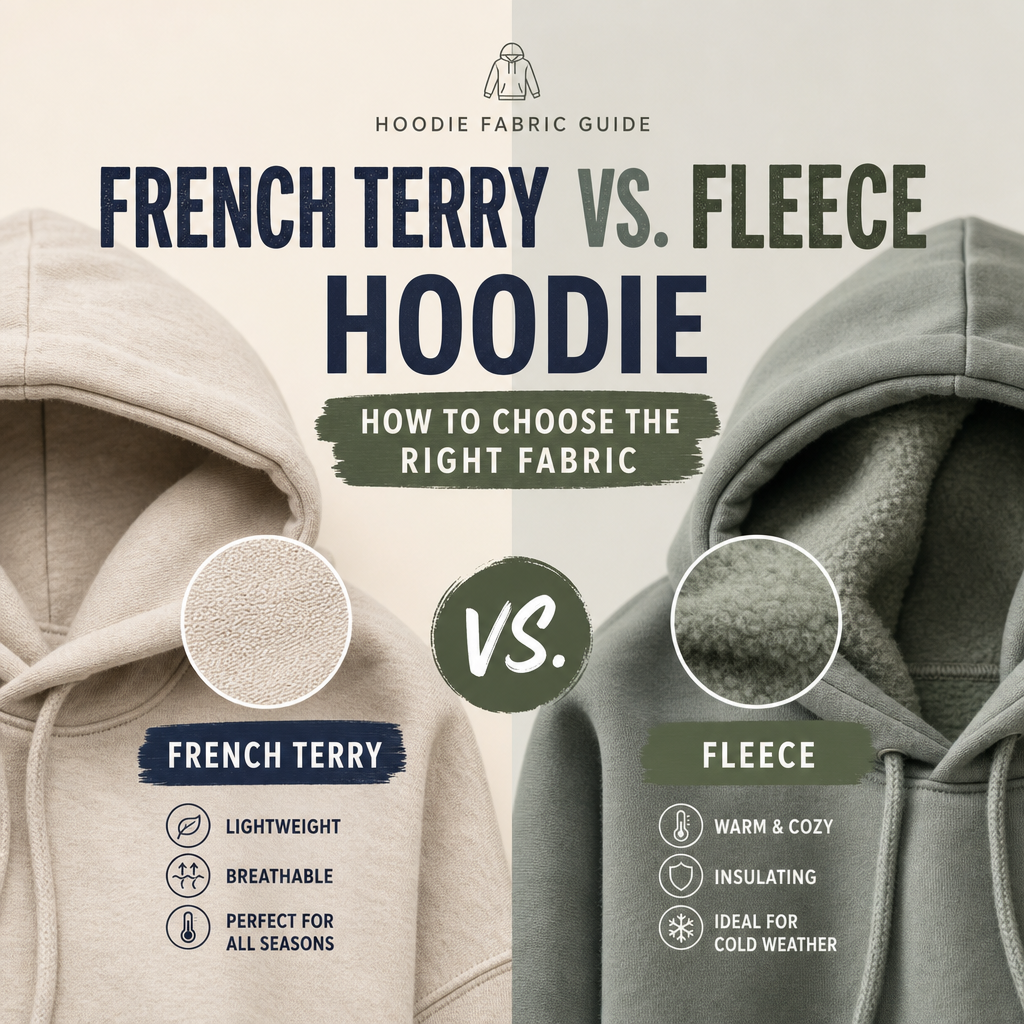
For example, choosing the right fabric weight can have a major impact on the final price. A heavier fabric may create a premium feeling, but it also increases material costs and shipping expenses.
That doesn’t mean always choosing the cheapest option.
The better approach is understanding where customers notice value.
A customer may appreciate a better fabric, improved fit, or stronger construction. They may not notice an expensive custom zipper or complicated packaging.
Every production decision should answer one question:
“Does this improve the product experience?”
If the answer is no, it may not be worth the additional cost.
Avoid the Inventory Trap
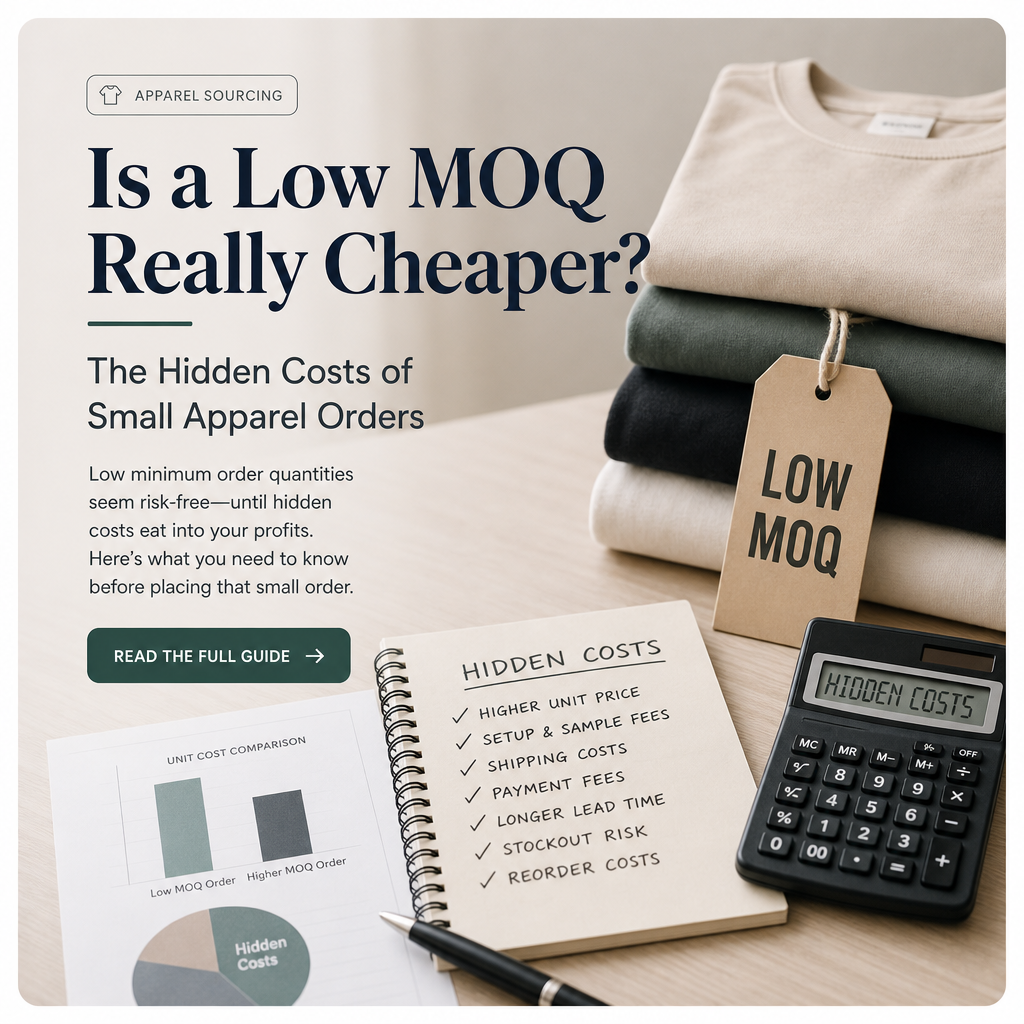
Inventory is one of the biggest risks for small fashion brands.
A large company can survive slow-moving products because it has more cash flow and more sales channels.
For a small brand, unsold stock can quickly become a serious problem.
This is why many successful emerging brands start with controlled quantities.
Instead of producing 5,000 pieces immediately, they may begin with a smaller order, test customer response, and increase production once demand is proven.
This approach requires more planning, but it protects cash flow.
A clothing brand does not grow because it owns more inventory.
It grows because it sells products customers actually want.
Develop a Reliable Supply Chain Before Scaling
Many small brands focus heavily on marketing but underestimate the importance of manufacturing.
A successful launch can create problems if the supply chain cannot support demand.
Imagine a product becomes popular online, but the factory cannot deliver the next order on time.
Customers lose interest.
Sales opportunities disappear.
Brand reputation suffers.
This is why establishing a reliable supplier relationship early is important.
A good manufacturing partner should understand your products, quality standards, and future plans.
Over time, the supplier becomes familiar with your expectations:
- Preferred fabrics
- Standard measurements
- Packaging requirements
- Quality standards
- Production schedule
This familiarity makes future collections easier to develop.
Why OEM Manufacturing Helps Small Brands Compete

OEM manufacturing allows brands to create their own products without investing in their own factory.
For small and growing brands, this provides access to professional production resources without the massive cost of building an internal manufacturing operation.
An experienced OEM manufacturer can support areas such as:
- Fabric sourcing
- Pattern development
- Sample making
- Garment construction
- Printing and embroidery
- Washing techniques
- Quality inspection
- Export documentation
This is especially valuable for designers who have strong creative ideas but limited technical production knowledge.
The factory’s role is not simply making garments.
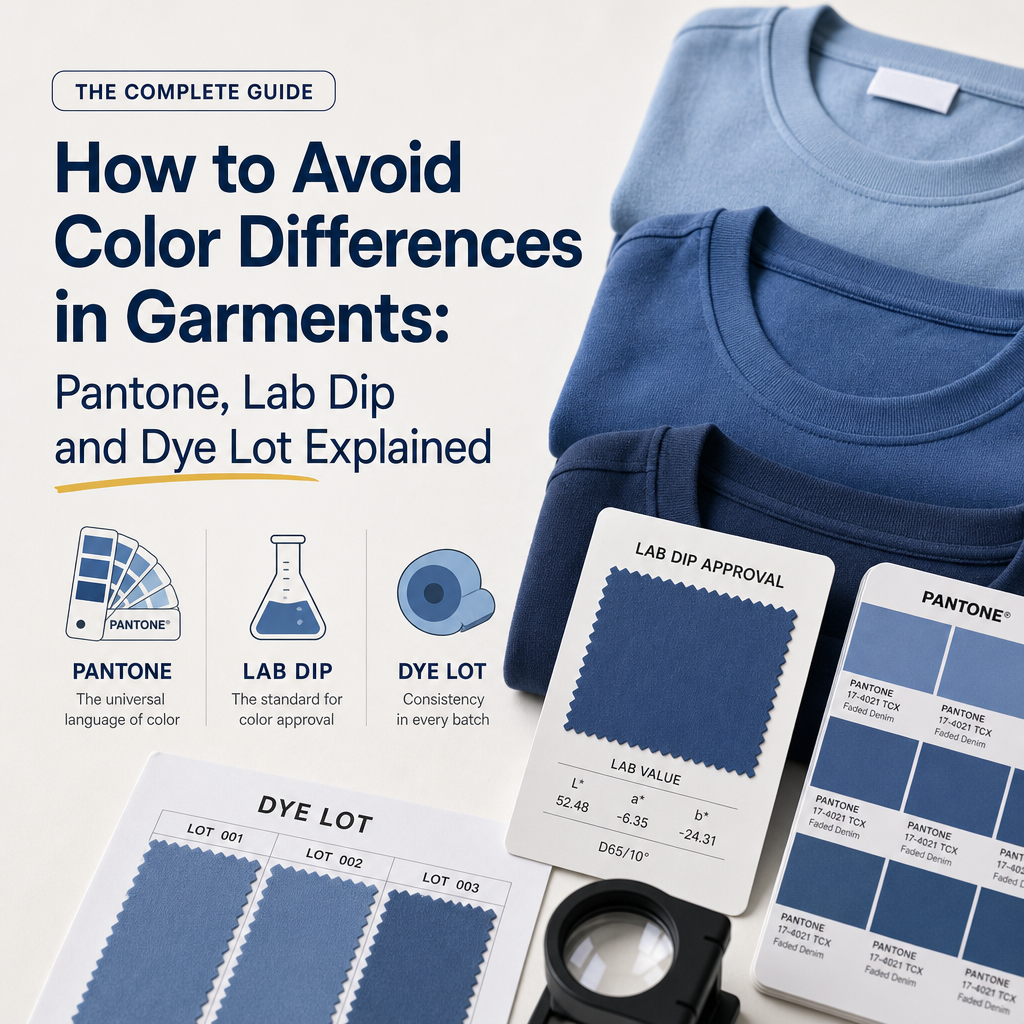
It is helping transform ideas into products that can be manufactured consistently.
Communication Is a Competitive Advantage
Many production problems are not caused by technical issues.
They happen because information is unclear.
A designer may imagine one result while the factory understands something different.
This is common when working across languages, cultures, and time zones.
Good communication reduces these problems.
Professional brands usually provide:
- Clear reference images
- Detailed measurements
- Confirmed materials
- Approved samples
- Written production instructions
They also ask questions before production starts instead of assuming everything is understood.
A factory cannot manufacture what it cannot clearly see.
Better communication leads to better products.
Small Brands Should Think Globally From the Beginning

A common mistake is assuming small brands can only sell locally.
Today, online platforms allow even small companies to reach international customers.
A niche clothing brand in one country can build an audience worldwide through:
- Social media
- Independent websites
- Online marketplaces
- Influencer partnerships
- Community marketing
However, global selling also requires thinking about production quality, shipping reliability, packaging standards, and customer expectations in different markets.
For example, customers in Europe and North America may have different expectations regarding sizing, labeling, sustainability, and product information.
A manufacturer with export experience can help avoid many of these issues.
Sustainability Can Be an Advantage for Small Brands
Large fashion companies are under increasing pressure to improve sustainability, but small brands often have an advantage: they can make decisions faster.
A small brand can choose:
- Better fabric suppliers
- Responsible production partners
- Lower waste production methods
- More transparent supply chains
Because production volumes are smaller, implementing changes is often easier.
Sustainability does not always mean using the most expensive materials.
Sometimes it means producing carefully, avoiding unnecessary inventory, and building products designed to last.
A smaller collection with better quality can often create stronger brand value than a large volume of disposable products.

Avoid Trying to Look Bigger Than You Are
Some new brands spend too much money trying to appear established.
They invest heavily in expensive packaging, complicated websites, and large photo productions before proving their products.
Professional presentation matters, but authenticity matters more.
Customers can recognize when a brand has a clear identity.
A small company does not need to pretend it is a global corporation.
Being focused, transparent, and specialized can become part of the brand story.
Many successful independent labels became attractive because they felt personal and different from mass-market companies.
The Biggest Advantage: Knowing Your Customer Better
Large brands often rely on market research and sales data.
Small brands can build direct relationships.
They can talk to customers.
They can understand why someone bought a product.
They can ask what needs improvement.
This information is extremely valuable.
A customer saying:
“The fabric feels great, but I wish the hoodie was slightly longer”
is not just a complaint.
It is product development information.
Brands that listen carefully can improve faster than companies relying only on large-scale data.
Lessons from Working with Growing Apparel Brands
Through years of working with clothing companies, we have noticed a common pattern.
The brands that grow steadily are usually not the ones trying to become the biggest immediately.
They focus on becoming better.
They improve their fit.
They refine their materials.
They choose suppliers carefully.
They understand their customers.
They make fewer products, but each product has a clear purpose.
Building a clothing brand is not about beating large companies at their own game.
It is about creating a game where your strengths matter.
How Vison Supports Small and Growing Brands
At Vison, we work with clothing brands, designers, wholesalers, and apparel buyers who need reliable OEM manufacturing support.
We understand the challenges small brands face because many of our customers are developing their first collections or expanding from small production runs into larger orders.
Our team provides support throughout the development process, including:
- Fabric selection
- Garment development
- Sampling
- Printing and embroidery
- Washing processes
- Production management
- Quality control
With five production lines and export experience serving Europe, America, and Australia, we help brands create products that balance design requirements, quality expectations, and production costs.
For small brands, the right manufacturing partner can make the difference between an idea and a finished product that customers want to buy.
Website: https://visonclothing.com
Email: [email protected]
Final Thoughts
Large fashion brands have advantages that cannot be ignored. They have bigger budgets, stronger recognition, and greater production power.
But size is not the only way to compete.
Small brands can succeed by staying focused, developing products carefully, reacting quickly, and building stronger relationships with customers and suppliers.
The future of fashion is not only controlled by companies that produce the most.
It also belongs to brands that understand their customers best and create products with a clear reason to exist.