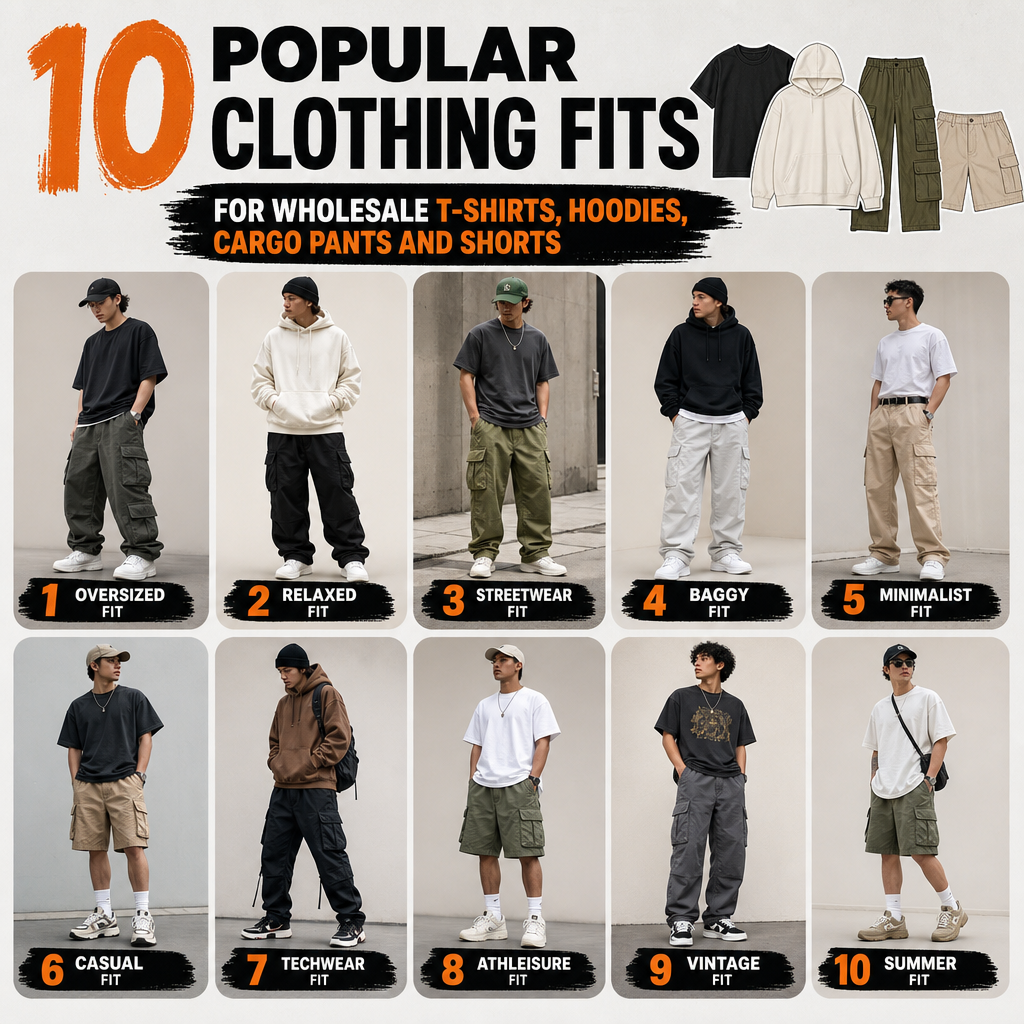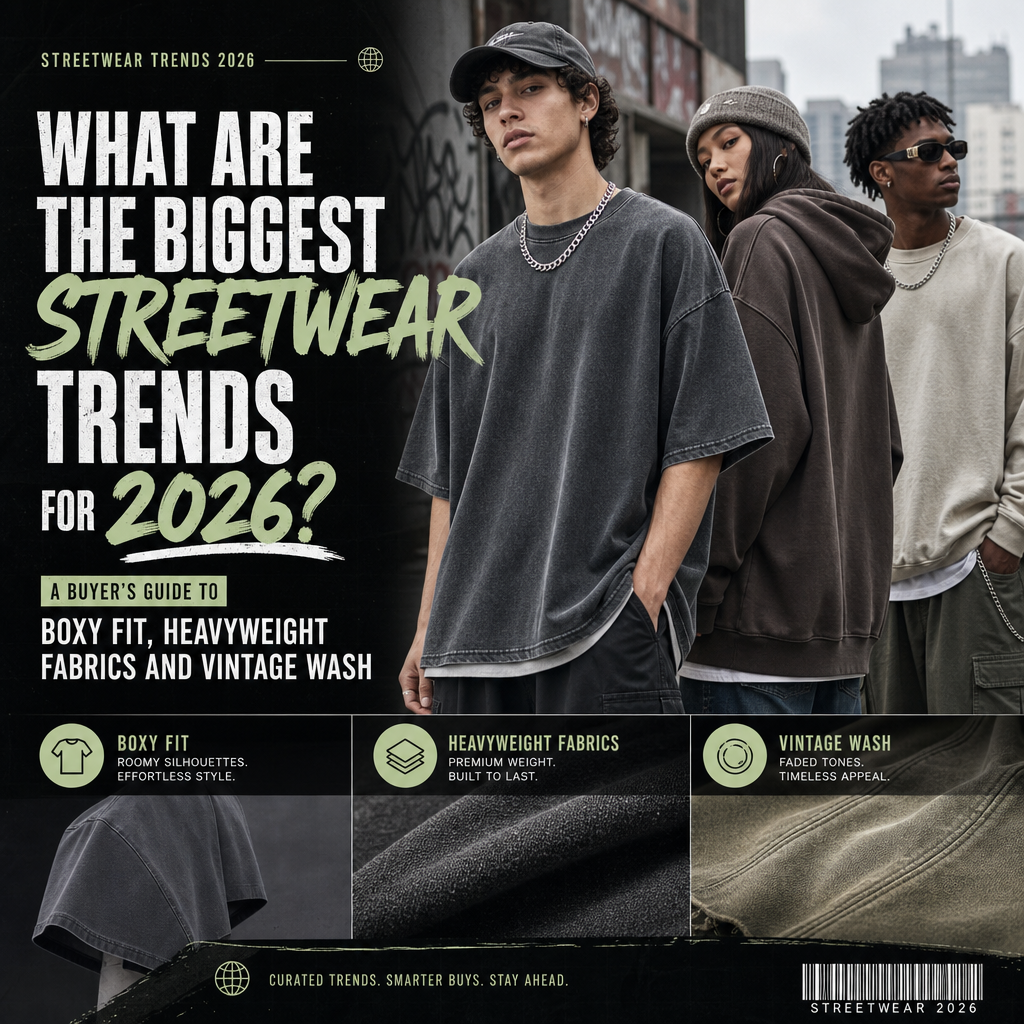
Streetwear is moving toward a heavier and more relaxed look in 2026. For apparel buyers, however, following a trend is not enough. A boxy T-shirt can look great in a sample and still fail in bulk if the fabric, pattern, or wash is not right.
The key streetwear trends for 2026 include boxy and oversized fits, heavier fabrics, and vintage-wash finishes. Boxy T-shirts and hoodies give garments a more relaxed shape, while heavier cotton creates a stronger hand feel. Vintage and garment washes add a worn-in look. For buyers, the choice of GSM, fabric composition, wash process, and supplier capability can have a direct effect on the final product.
If you are developing a new collection, these details are worth looking at before you place a bulk order.
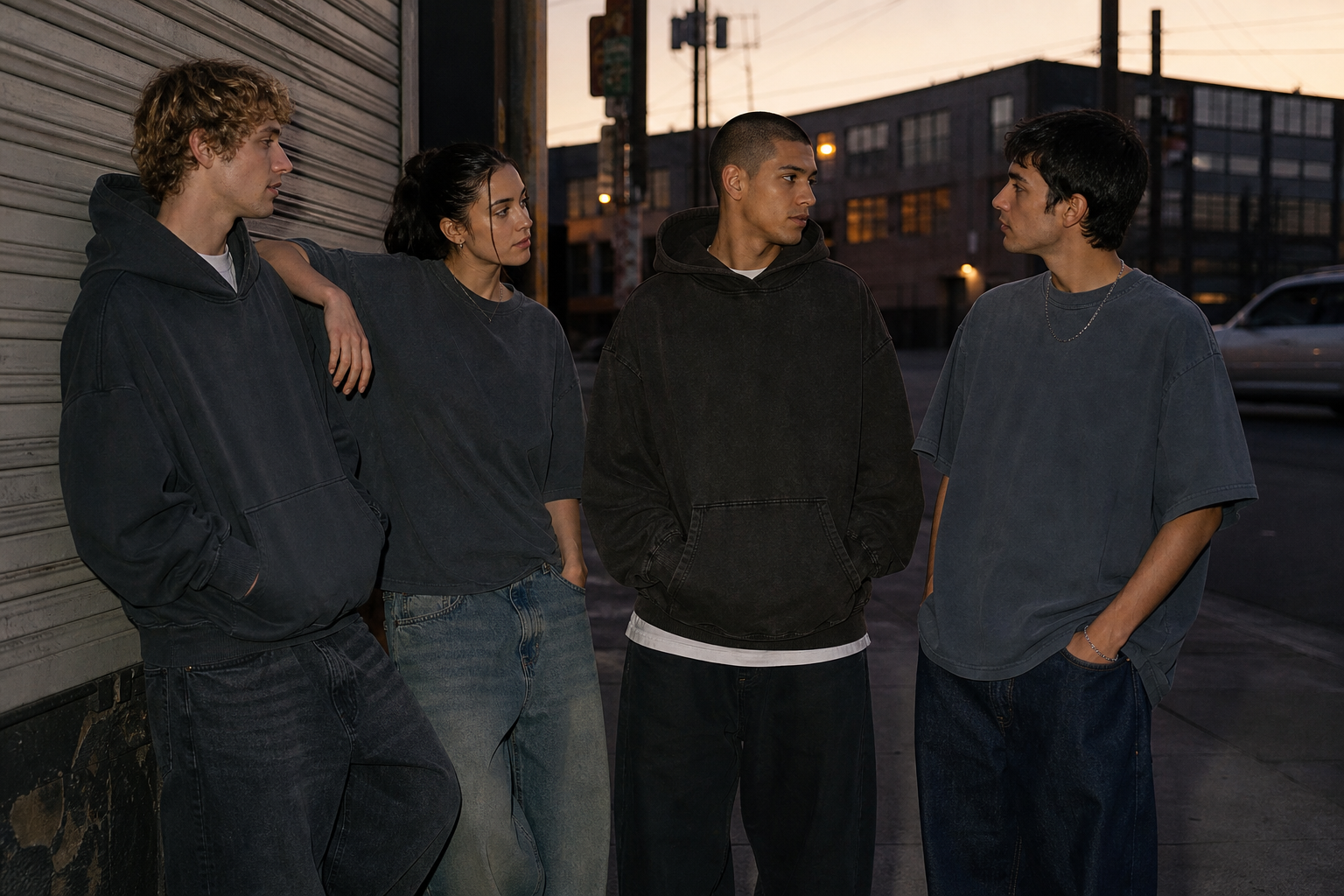
What Are the Streetwear Fashion Trends for 2026?
Looking at the current market, three directions stand out in streetwear apparel: wider silhouettes, heavier fabrics, and washed finishes.
You can see these ideas across T-shirts, hoodies, sweatshirts, jackets, and pants. They are also easy for brands to adapt. A simple T-shirt, for example, can feel completely different when the pattern is changed to a boxy shape and the fabric is increased to 240 GSM.
The same applies to hoodies. A heavier French Terry or fleece fabric combined with a dropped shoulder can give a basic hoodie a much stronger streetwear appearance.
For buyers, this means the trend is not only about the design on the garment. The fabric and construction are part of the product.
Why Is Boxy Fit Becoming So Popular in 2026?
Boxy fit has become a common choice for streetwear brands because it gives a garment a relaxed shape without simply making it longer and larger.
A typical boxy T-shirt has more width through the chest and body. The shoulder may be dropped, and the body is often shorter than a traditional oversized T-shirt.
That difference is easy to miss when looking at a product photo.
If a factory takes a standard T-shirt and increases all the measurements, the result may be oversized, but it may not have the proportions you want. A proper boxy pattern needs to be developed around the intended shape.
When I discuss a new T-shirt with a buyer, I would rather work from measurements than from the word “oversized” alone.
The buyer should specify the chest width, shoulder, body length, sleeve length, and bottom opening. A reference sample is even better.
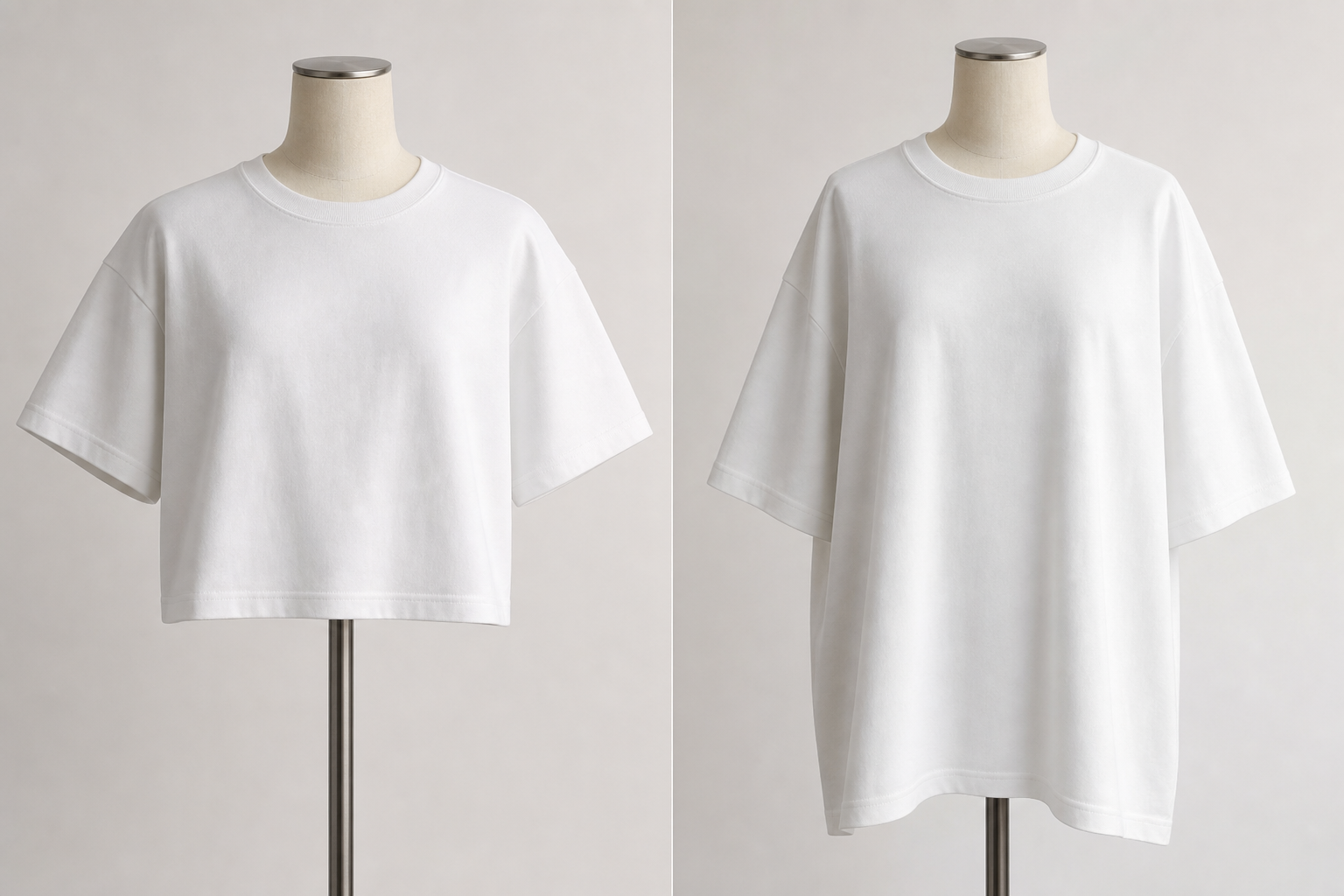
Boxy Fit vs. Oversized Fit
These two terms are often mixed together.
An oversized T-shirt mainly has extra room compared with a regular fit. A boxy T-shirt puts more emphasis on width and proportion.
For example, a boxy T-shirt may have a wide chest but a relatively short body. An oversized T-shirt can be wide and long.
Both can work for streetwear, but they create different looks.
This is why a buyer should check the garment on a model instead of approving the fit from a size chart alone. The shoulder position and body length can change the whole appearance.
Washing also needs to be considered. If the T-shirt will be garment washed, the approved measurements should be based on the finished garment, not only the pre-wash pattern.
Why Are Heavyweight Fabrics Trending in Streetwear?
Heavyweight fabric has become closely associated with premium streetwear.
Part of the appeal is the feel. A heavier T-shirt usually has more body and holds its shape better. This works particularly well with boxy silhouettes.
There is also a commercial reason. When a simple T-shirt uses a substantial fabric with a good finish, the product can feel more premium without relying on complicated decoration.
But buyers should be careful with one common assumption:
A higher GSM does not automatically mean better quality.
GSM tells you how much the fabric weighs per square meter. It does not tell you whether the cotton is good, whether the fabric will shrink, or how it will feel after washing.
Two 240 GSM fabrics can have noticeably different hand feels.
The yarn, knitting construction, fiber quality, finishing, and washing process all play a role.
What GSM Should a Streetwear T-Shirt Have?
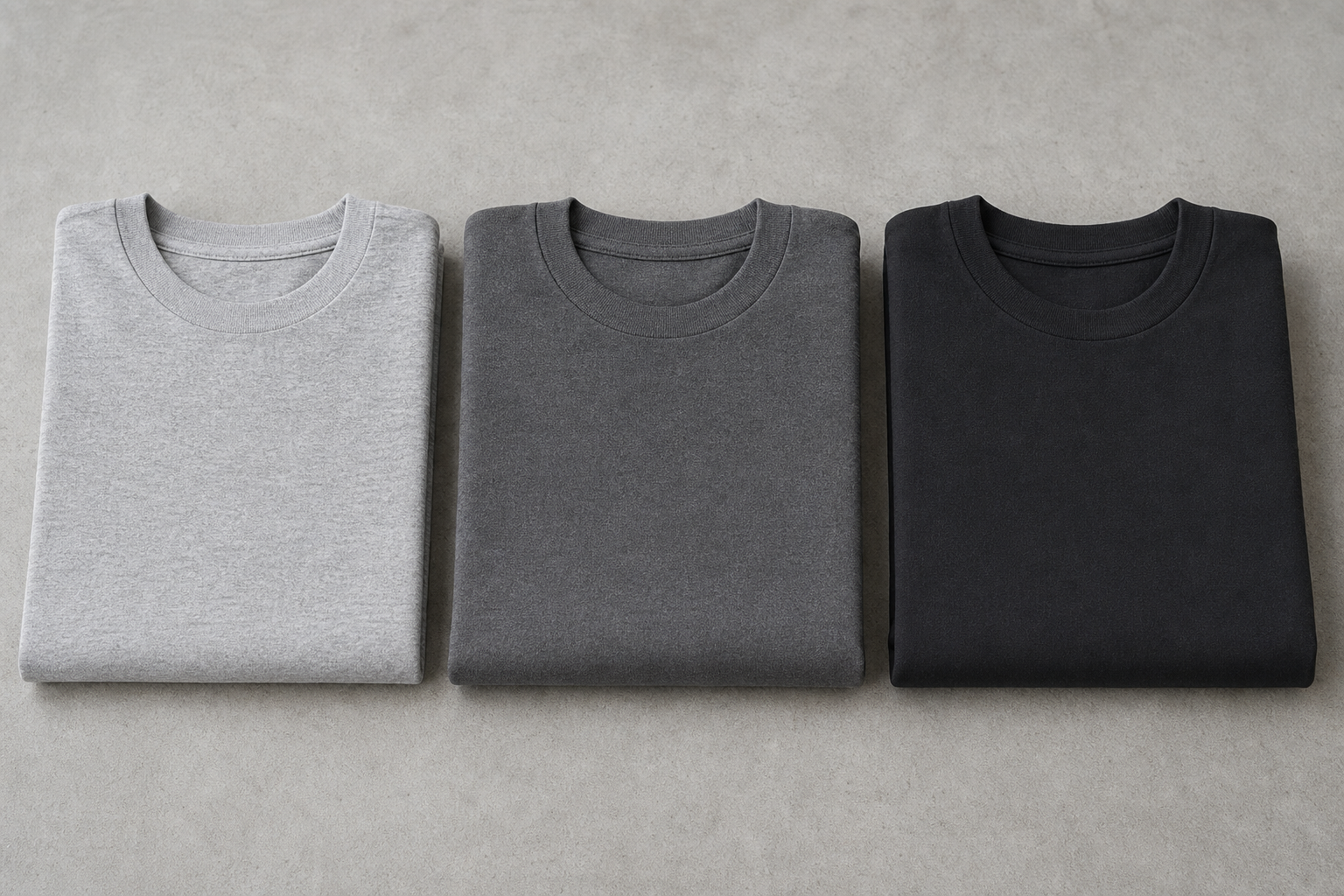
There is no universal GSM standard for streetwear T-shirts.
As a general development reference, many buyers work around the following ranges:
- 180–220 GSM for a lighter everyday T-shirt
- 220–260 GSM for a heavier streetwear T-shirt
- 260 GSM and above for a more substantial heavyweight style
For a boxy streetwear T-shirt, 220–260 GSM is often a practical starting point.
That does not mean every brand should choose 240 GSM.
A brand selling summer streetwear in Southern Europe may prefer something lighter. A brand targeting cooler climates or a premium heavyweight collection may want 260 GSM or more.
The target retail price matters too.
A buyer should therefore discuss the fabric with the factory instead of specifying GSM alone.
For example, I would normally want to know whether the buyer is looking for:
- 100% cotton or a blend
- Single jersey or another construction
- A clean or vintage surface
- A softer or firmer hand feel
- A pre-washed or garment-washed finish
For additional background, buyers can refer to a textile GSM and fabric weight reference.
What GSM Is Best for a Heavyweight Streetwear Hoodie?
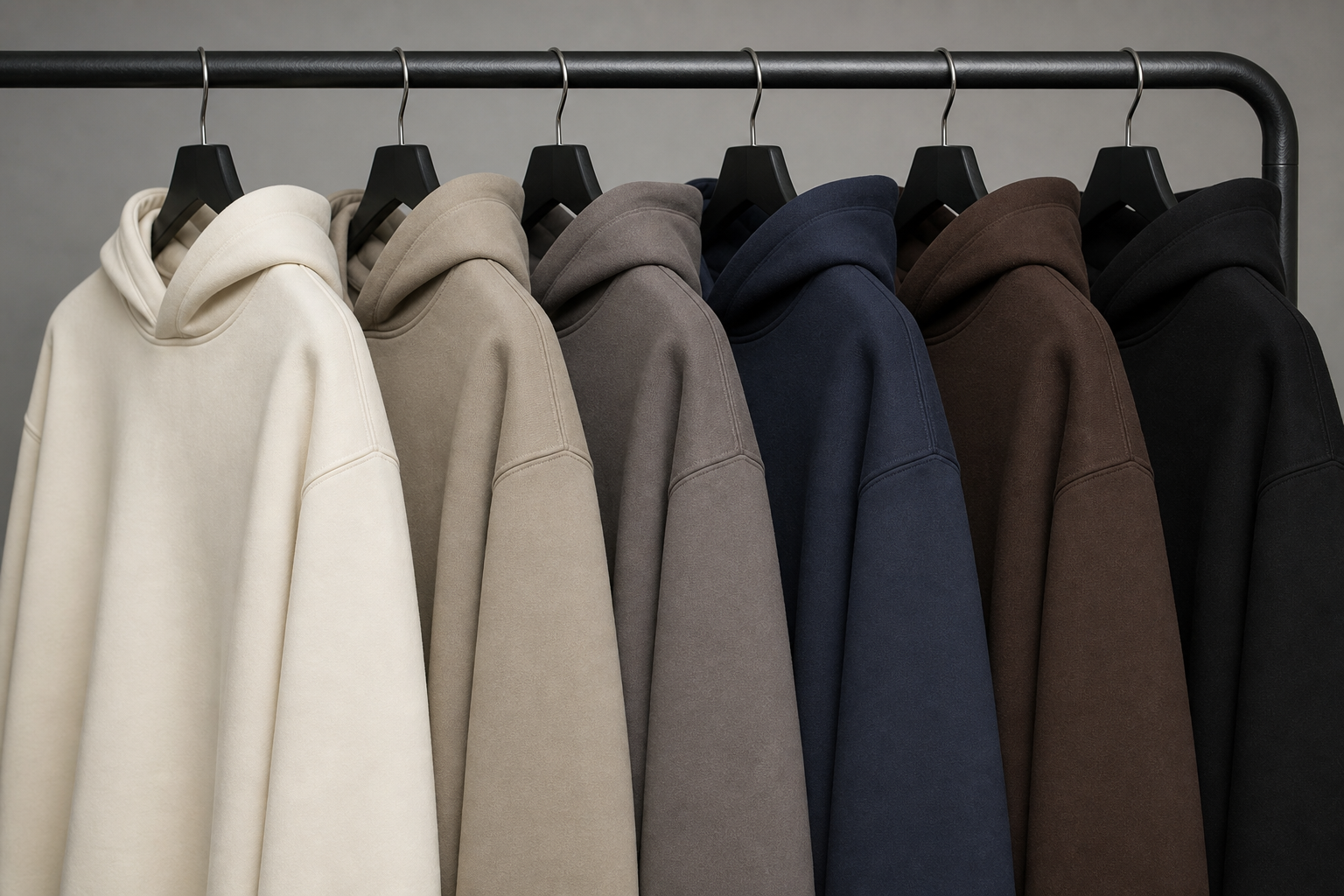
Hoodies require a different approach because the fabric construction is naturally heavier.
As a development reference, around 320–400 GSM is a common range for heavyweight hoodies. Styles above 400 GSM can create an even heavier, more premium product.
The fabric type makes a big difference.
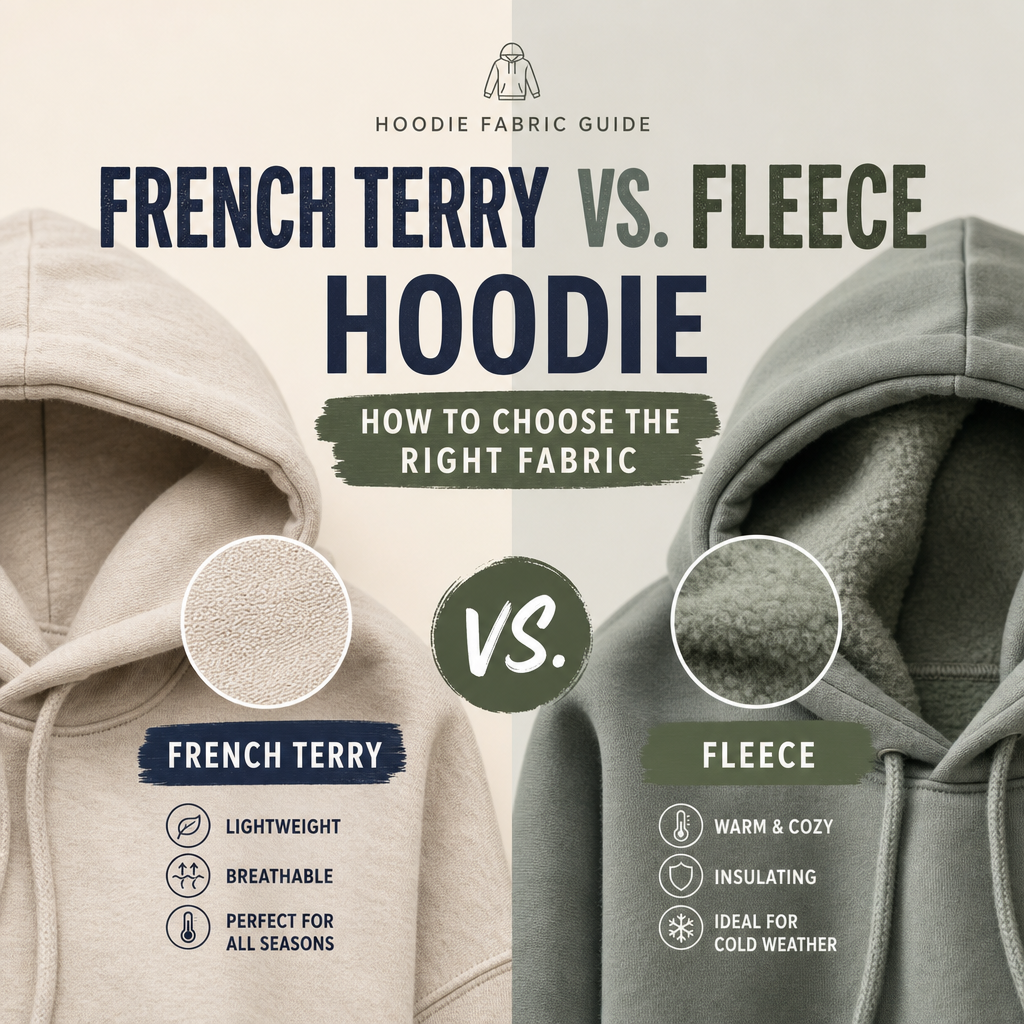
A 350 GSM French Terry hoodie and a 350 GSM brushed fleece hoodie will not feel the same. French Terry has loops on the inside and can work well for a structured, transitional-weight hoodie. Brushed fleece has a softer inner surface and is more suitable when warmth is part of the product concept.
For buyers, I would recommend requesting a fabric swatch before approving the hoodie sample.
The swatch gives you a better idea of the actual hand feel than a GSM number on a specification sheet.
After that, the sample should be checked for fit and appearance after washing.
What Fabrics Are Popular for Streetwear in 2026?
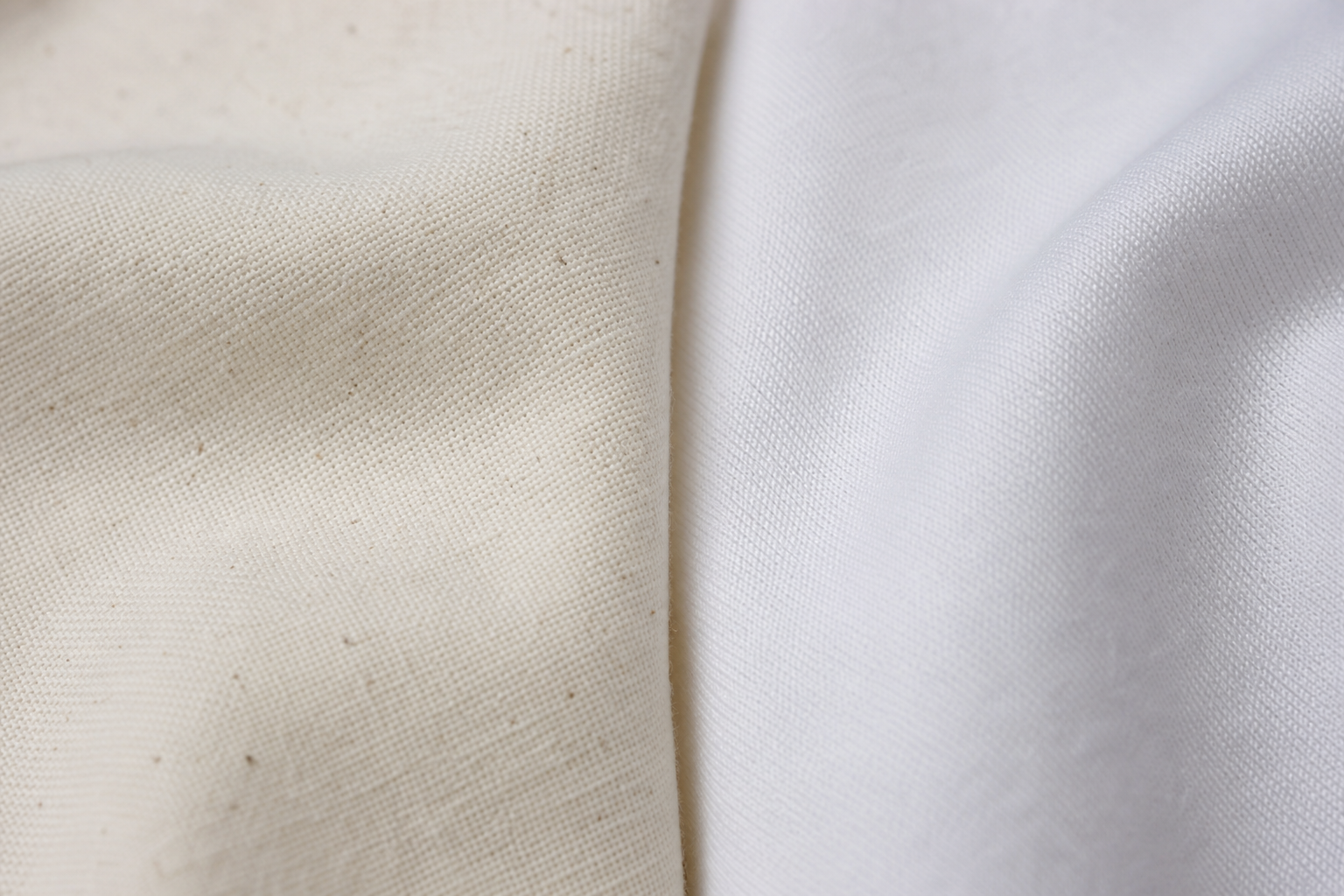
Cotton remains a strong choice for streetwear because it works across a wide range of products and finishing techniques.
100% Cotton
100% cotton is widely used for heavyweight T-shirts and vintage-style products.
It has a familiar natural feel and works well with garment washing and dyeing. For brands that want an authentic vintage appearance, cotton is often one of the first fabrics to consider.
However, cotton can also shrink. The amount depends on the fabric and treatment, so buyers should not assume that every 100% cotton T-shirt will behave in the same way.
Cotton Blends
Blended fabrics have their own advantages.
A cotton/polyester blend, for example, may be selected when a brand wants a particular balance of durability, comfort, appearance, or cost.
There is no single fabric composition that works for every streetwear product.
I normally suggest looking at composition, GSM, construction, and finishing together. The combination tells you much more about the garment than any one number.
A textile fiber composition resource can also help buyers who are less familiar with fabric specifications.
Are Vintage Washes Still Trending in 2026?
Vintage wash remains a strong direction for streetwear in 2026.
The appeal is easy to understand. Consumers are familiar with new clothes that look too clean and uniform. A washed garment has a different character.
The color may be slightly faded. The fabric can feel softer. The surface may have subtle tonal changes.
This works especially well with heavyweight T-shirts and hoodies because the heavier fabric gives the washed effect more depth.
Vintage wash is also useful for brands that want to create a worn-in look without adding a large graphic or complicated construction.
How Does Vintage Wash Affect Streetwear Production?
This is an area where buyers without a technical background can run into problems.
A wash is not simply something added at the end to change the color.
The process can affect the garment’s measurements and appearance. Depending on the treatment, it may also change the hand feel and surface of the fabric.
Garment wash, enzyme wash, acid wash, garment dye, and pigment dye can all create different results.
For example, an enzyme treatment can help create a softer, worn appearance. Acid washing can produce stronger faded contrasts. Garment dye can create a different type of color variation because the finished garment is dyed after construction.
The exact result depends on the fabric and the process used.
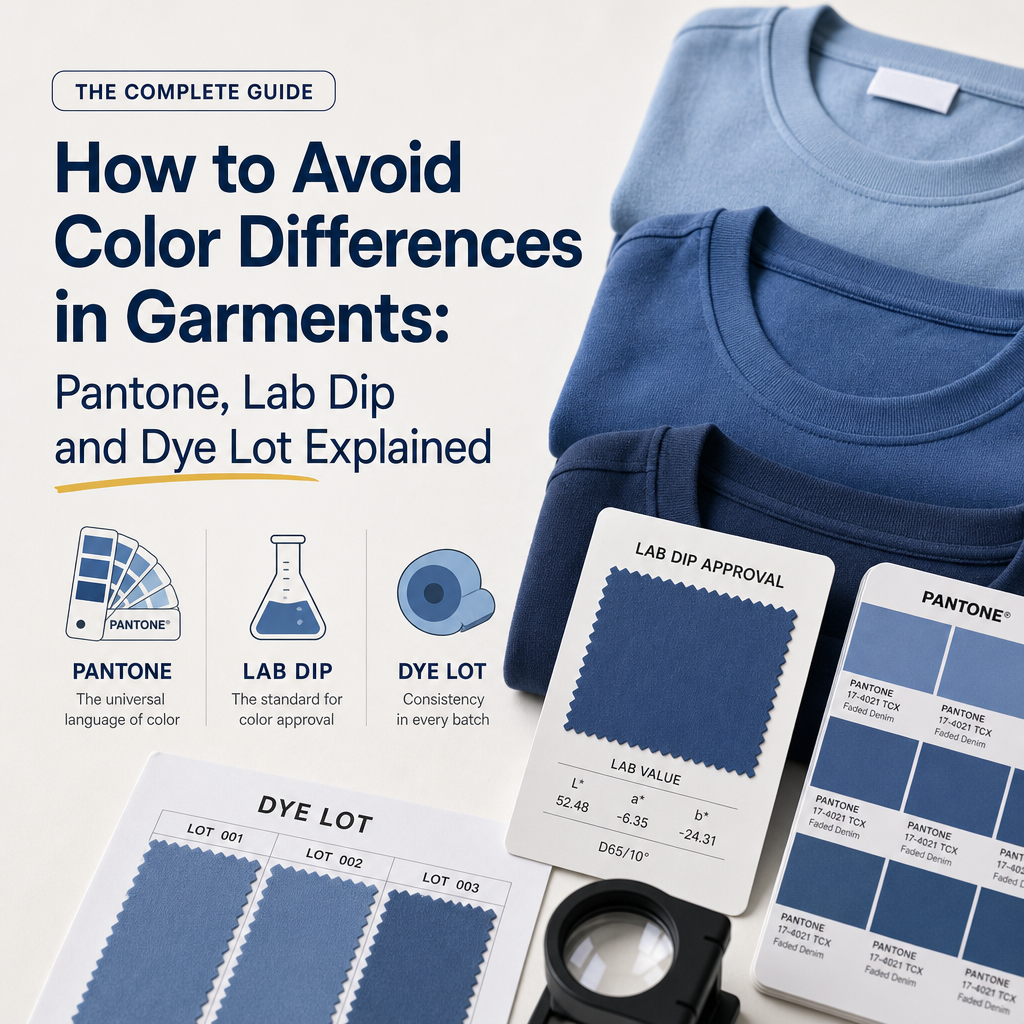
This is why a buyer should send a clear reference and approve the actual washed sample.
A common mistake is approving the fabric before washing and assuming the final garment will look the same.
It usually will not.
What Should Buyers Check Before Bulk Production?
For a vintage-wash order, I would check the finished sample for:
- Actual measurements
- Color and wash effect
- Shrinkage
- Hand feel
- Print or embroidery condition
- Seam appearance
- Color fastness
The buyer and factory should agree on acceptable variation before production starts.
Some variation is part of the vintage look. Too much variation is a quality problem.
For more information, buyers can refer to a garment washing and textile testing resource.
What Style Is Coming Back in 2026?
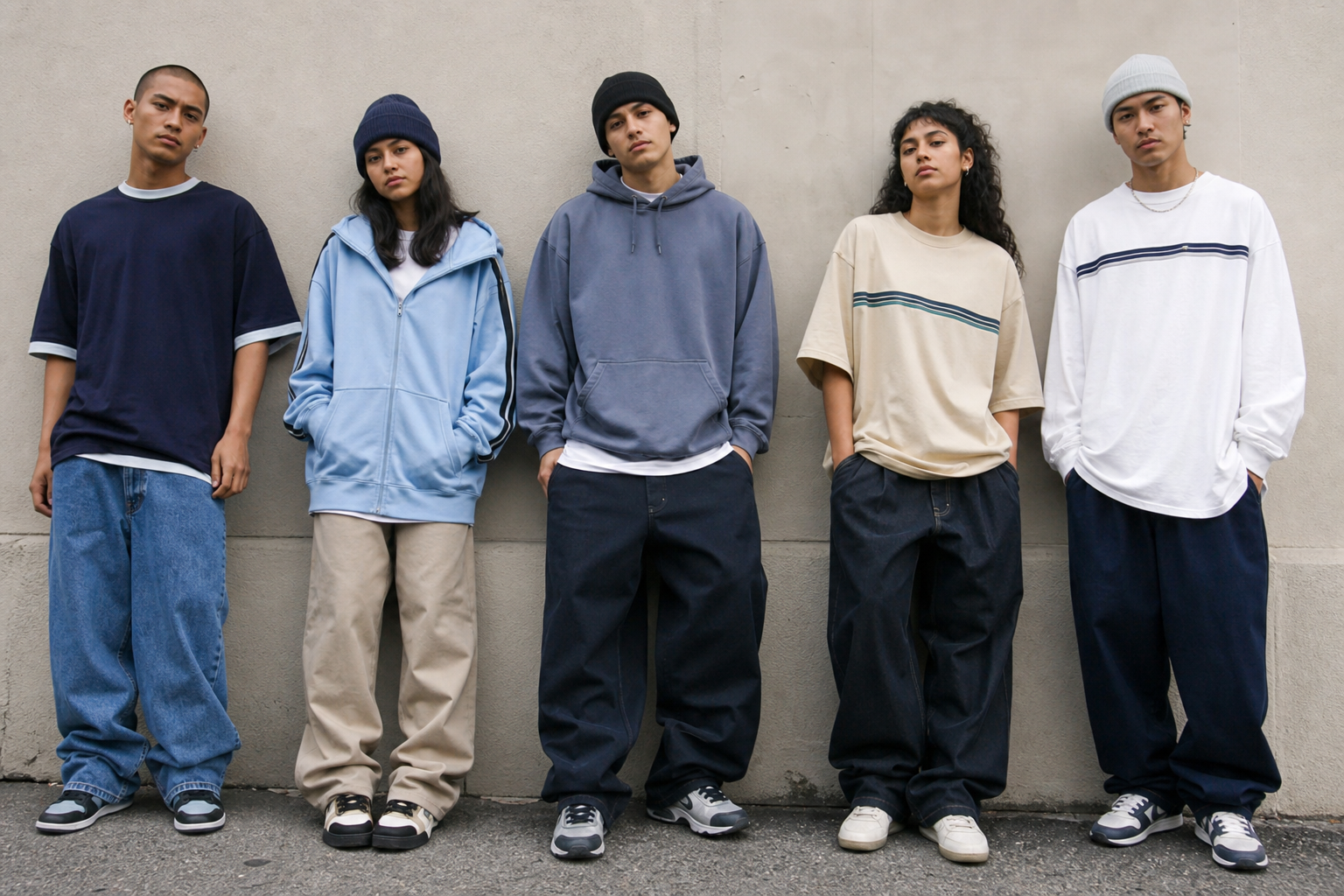
The influence of 1990s and early-2000s fashion is still visible in streetwear.
Wide T-shirts, relaxed hoodies, loose pants, retro graphics, and faded colors are being reworked for today’s market.
The important point is that brands are not necessarily reproducing old garments exactly.
A 1990s-inspired T-shirt might now use a heavier cotton fabric, a more carefully developed boxy pattern, and a controlled vintage wash.
That gives the product a familiar look without making it feel outdated.
For a brand, this can be a useful way to develop a collection. Start with a familiar silhouette, then change the fabric, color, wash, or artwork to create something specific to the brand.
How Should Apparel Buyers Choose 2026 Streetwear Products?
Trend forecasting is only one part of product development.
Before requesting quotations, I recommend starting with the commercial position of the product.
Think about where the garment will be sold and what the customer is expected to pay.
A premium hoodie for a direct-to-consumer brand has different requirements from a wholesale hoodie that needs to compete mainly on price.
Once the target is clear, the technical specification becomes easier to define.
For a T-shirt, for example, the factory should know the desired fit, GSM, composition, color, wash, print, measurements, and quantity.
A reference garment or tech pack can remove a lot of unnecessary back-and-forth.
Sample Approval Matters
The first sample should answer practical questions.
Does the fabric feel right?
Does the body have the correct proportion?
Does the wash match the reference?
Did the garment shrink more than expected?
Are the seams clean?
Does the print still look good after washing?
These questions are much easier to answer before bulk production than after the goods arrive.
What Should Buyers Check When Choosing a Streetwear OEM Supplier?
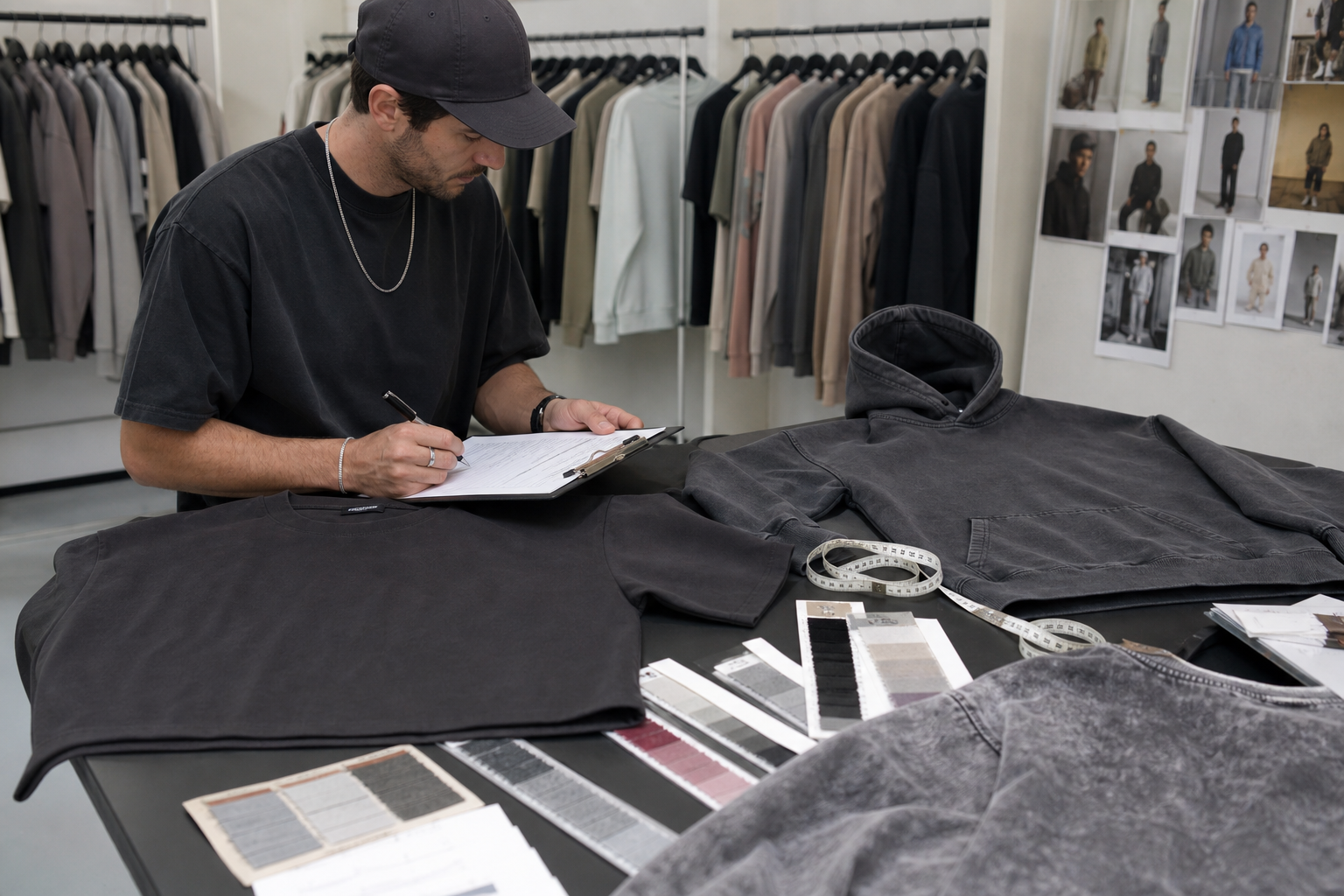
Price is obviously important in apparel sourcing, but it should not be the only comparison point.
A supplier quoting a lower unit price may still become more expensive if the product requires repeated corrections or arrives after the selling season.
Look at the Actual Production Capability
For streetwear, I would pay particular attention to whether the supplier has experience with the type of product you are developing.
Heavyweight T-shirts, for example, require different fabric sourcing and sewing considerations from lightweight promotional T-shirts.
Washed garments also need appropriate control during finishing.
Ask the supplier what happens from fabric sourcing through final inspection. A clear answer tells you more than a polished company introduction.
Check Compliance Information
BSCI and SEDEX are commonly requested by international apparel buyers.
If a supplier provides a certificate or audit document, verify the information rather than simply saving the PDF.
Check that the information relates to the factory actually producing your order.
For buyers who need to understand the process, a BSCI verification resource and SEDEX verification resource are useful starting points.
How Can Buyers Avoid Delayed Shipments?
Late delivery is particularly painful in fashion.
A product arriving after the main selling season is not equivalent to arriving on time, even if the quality is good.
This is why I recommend discussing the production schedule before the purchase order is finalized.
For a washed hoodie, for example, the timeline may involve fabric preparation, cutting, sewing, washing, inspection, packing, and shipping.
If the fabric is not ready when production is supposed to start, everything after that moves back.
Buyers should therefore ask for a realistic production schedule and identify the critical dates.
It is also worth leaving some time between the planned factory completion date and the required arrival date.
That buffer can make a difference when something unexpected happens.
How Can Apparel Buyers Improve Communication With Factories?
Communication problems are common when the product description is too subjective.
Words such as “oversized,” “premium,” “heavyweight,” and “vintage” can mean different things to different people.
A specification sheet makes the conversation much easier.
For example, instead of writing:
“Please make a heavyweight oversized vintage T-shirt.”
You could specify:
“100% cotton, approximately 240 GSM, boxy fit, dropped shoulder, 74 cm body length in size M, garment washed, faded black, with approved reference sample.”
The second description gives the factory something measurable to work with.
It also makes quotation and sample comparison easier when you are talking to several suppliers.
For buyers who are strong in purchasing but less familiar with garment technology, this type of document can save considerable time.
2026 Streetwear Trends: What Should Brands Actually Buy?
Not every trend needs to become a separate product.
For many brands, it makes more sense to build a collection around a few strong combinations.
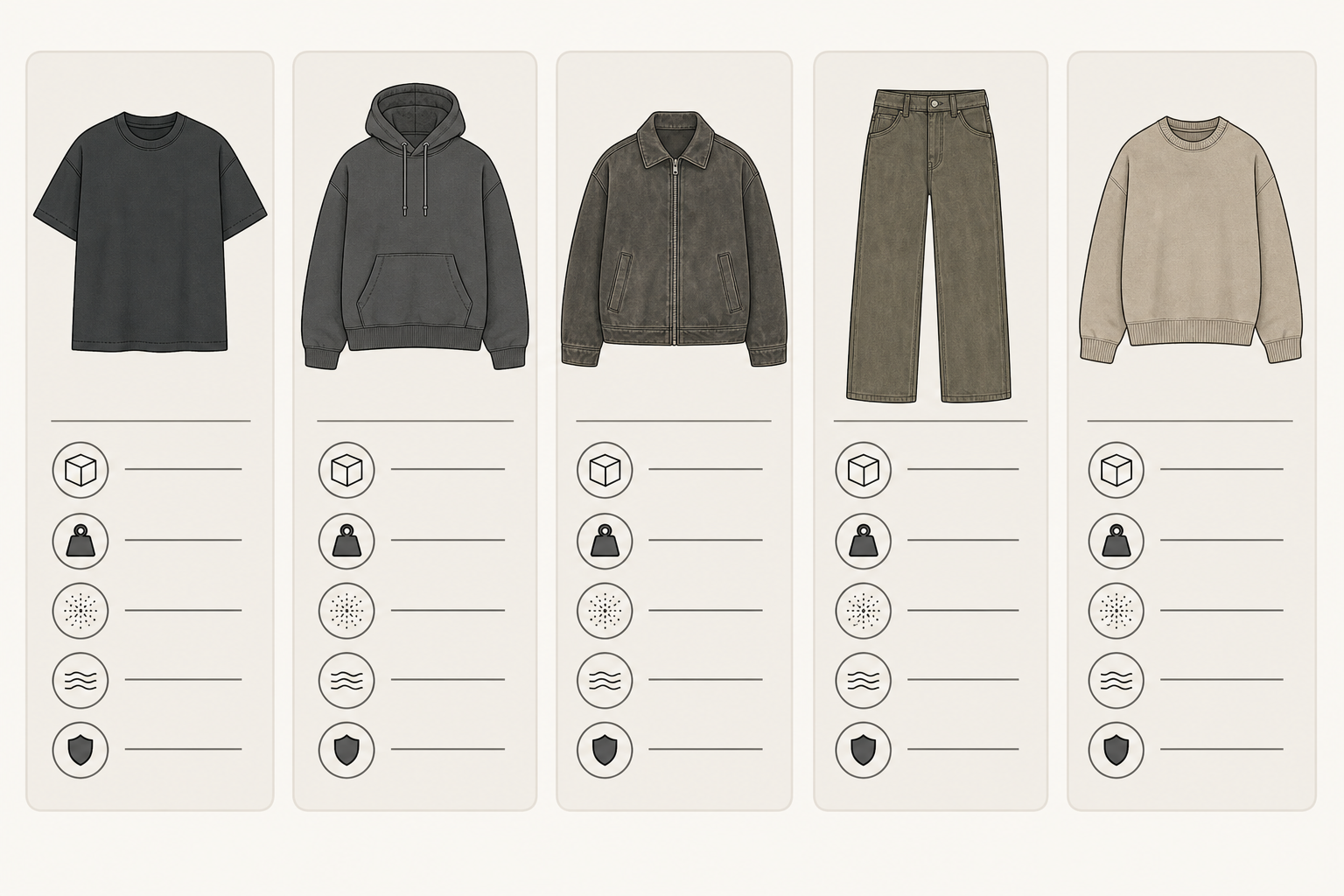
| Product | Suggested 2026 Direction | Development Reference |
|---|---|---|
| T-shirt | Boxy, heavyweight, vintage washed | Around 220–260+ GSM |
| Hoodie | Oversized, heavyweight | Around 320–400+ GSM |
| Jacket | Relaxed or oversized | Structured fabric |
| Pants | Wide-leg or relaxed | Durable cotton or blended fabric |
| Sweater | Relaxed and textured | Premium knit |
These numbers are starting points rather than fixed specifications.
The right choice depends on the market.
A heavyweight hoodie that works well for a Canadian autumn collection may be too warm for a summer-focused European range. Likewise, a 260 GSM T-shirt may be ideal for one brand and unnecessarily expensive for another.
The product needs to make sense at the final selling price.
Why Work With an OEM Streetwear Factory in China?
For brands developing custom streetwear, an OEM factory can be useful when the product needs to be built around a specific design rather than selected from an existing catalog.
At Vison, we focus on OEM apparel production for B2B customers.
Our product range includes T-shirts, hoodies, jackets, pants, sweaters, and other apparel. We operate with five production lines and supply customers in markets including Europe, America, and Australia.
Our focus is on helping buyers develop their own products while maintaining a competitive cost-performance balance.
For a 2026 streetwear project, that can include developing a particular boxy pattern, selecting a heavyweight fabric, matching a vintage-wash reference, and preparing the product for bulk production.
For buyers, the factory relationship should be more than a price quotation.
The supplier needs to understand what the finished garment is supposed to look and feel like.
That is especially important when the product depends on fabric weight and washing rather than just artwork.
Frequently Asked Questions About 2026 Streetwear Trends
What GSM is considered heavyweight for a T-shirt?
There is no universal definition, but around 220–260 GSM is commonly used for heavier streetwear T-shirts, with 260 GSM and above moving further into the heavyweight category. Buyers should also check construction, cotton quality, shrinkage, and finishing.
What GSM is considered heavyweight for a hoodie?
Around 320–400 GSM is a useful reference range for heavyweight hoodies. Above 400 GSM creates a particularly substantial garment. French Terry and fleece at the same GSM can still have very different hand feels.
Is 100% cotton better for vintage-wash streetwear?
It can be a good choice because cotton works well with many washing and dyeing processes. However, the best composition depends on the product. A blend may be more appropriate when durability, performance, or cost is a higher priority.
Does vintage washing cause shrinkage?
It can. The amount depends on the fabric and washing process. Buyers should check measurements after washing and agree on acceptable shrinkage before bulk production.
Is boxy fit the same as oversized fit?
No. Oversized mainly refers to extra volume, while boxy fit focuses on the relationship between width and length. A boxy T-shirt can be wide without being extremely long.
How can buyers check a clothing supplier’s certifications?
Do not rely only on a certificate image from the supplier. Verify the relevant information through the appropriate official system and make sure it relates to the factory that will produce your order.
How long does OEM streetwear production take?
There is no single standard lead time. Fabric availability, order quantity, product construction, printing, embroidery, washing, sampling, and inspection all affect the schedule. The factory should provide a production plan based on the actual order.
Final Thoughts
Boxy silhouettes, heavier fabrics, and vintage washes are useful directions for 2026 streetwear, but they are not enough on their own to make a product successful.
For buyers, the details behind the trend matter. The right GSM has to match the fabric. The wash needs to be repeatable. The pattern needs to work after washing. And the factory needs to deliver the approved product on schedule.
If you are developing a 2026 streetwear collection, Vison can support OEM production for T-shirts, hoodies, jackets, pants, sweaters, and other apparel.