One of the first questions a clothing buyer asks when contacting a factory is simple:
“Is the sample free?”
The answer depends on what you are asking the factory to make.
A basic sample using an existing fabric and standard construction may cost very little to develop. A custom hoodie with a new pattern, heavyweight fabric, screen printing, embroidery, garment washing, and branded trims is a different project altogether.
For this reason, clothing manufacturers may charge a sample fee before starting development.
That fee is not necessarily an extra charge added to the garment price. It often covers the actual work required to make a one-off sample, including pattern development, materials, sewing, printing, and technical adjustments.
Some factories also offer a credit against a later bulk order. Others have a different sample policy.
For apparel buyers, the important thing is to understand exactly what the sample fee covers and whether it can be deducted from the production order.
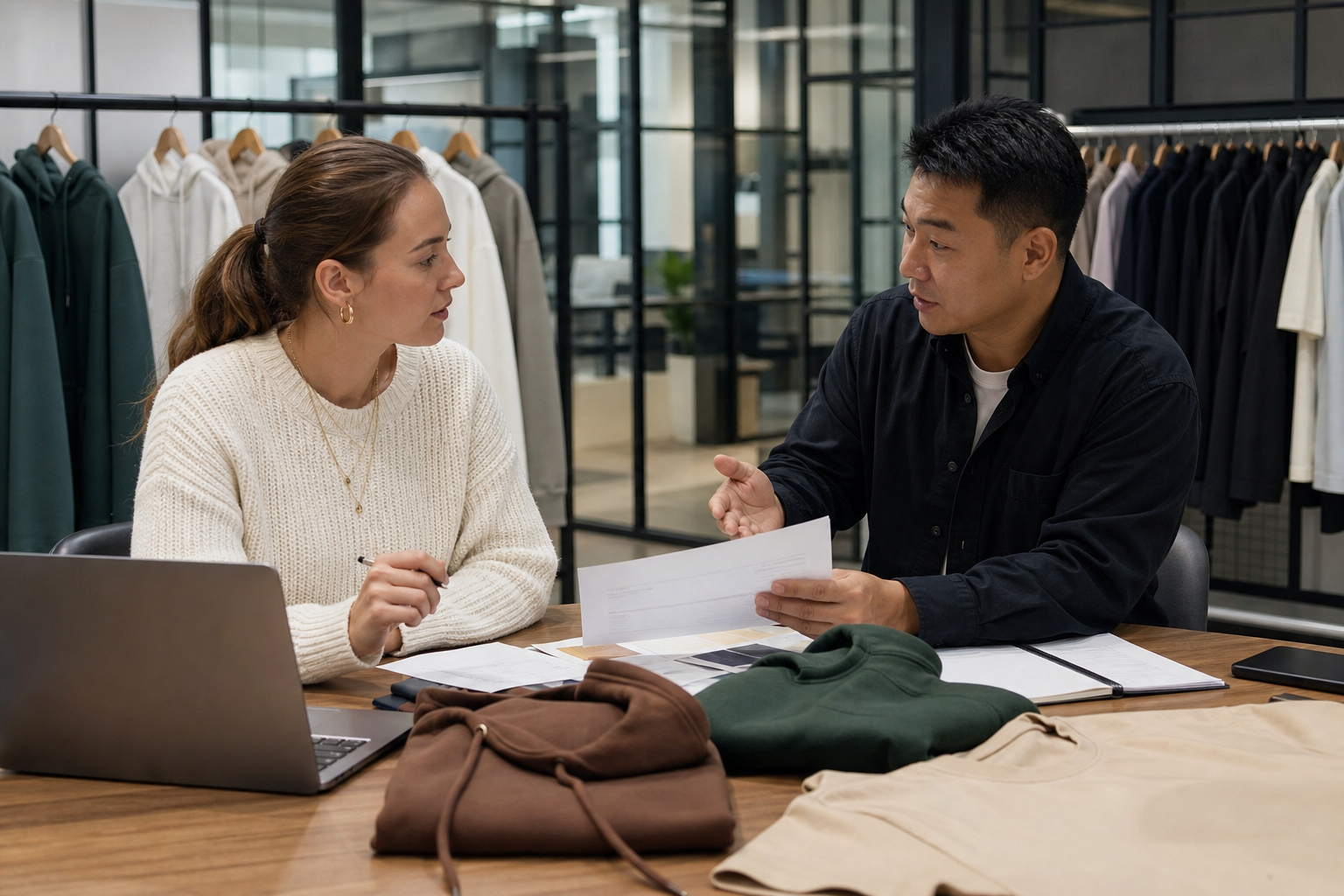
Are Clothing Samples Free?
Not always.
There is no universal rule that clothing manufacturers must provide free samples.
A factory may offer a free sample in certain situations, especially when the product is simple or the factory already has the required fabric, pattern, and production setup.
Custom development usually works differently.
If you provide a Tech Pack for a completely new garment, the factory may need to create a pattern, source fabric, prepare trims, make the garment, and carry out printing or washing.
That development work creates a real cost.
A sample policy may therefore look like one of these:
- Free sample with standard materials
- Paid sample with shipping charged separately
- Paid sample with the fee credited against a bulk order
- Paid sample with partial credit
- Non-refundable development fee
The specific arrangement should be confirmed before the sample is made.
Why Do Clothing Manufacturers Charge Sample Fees?
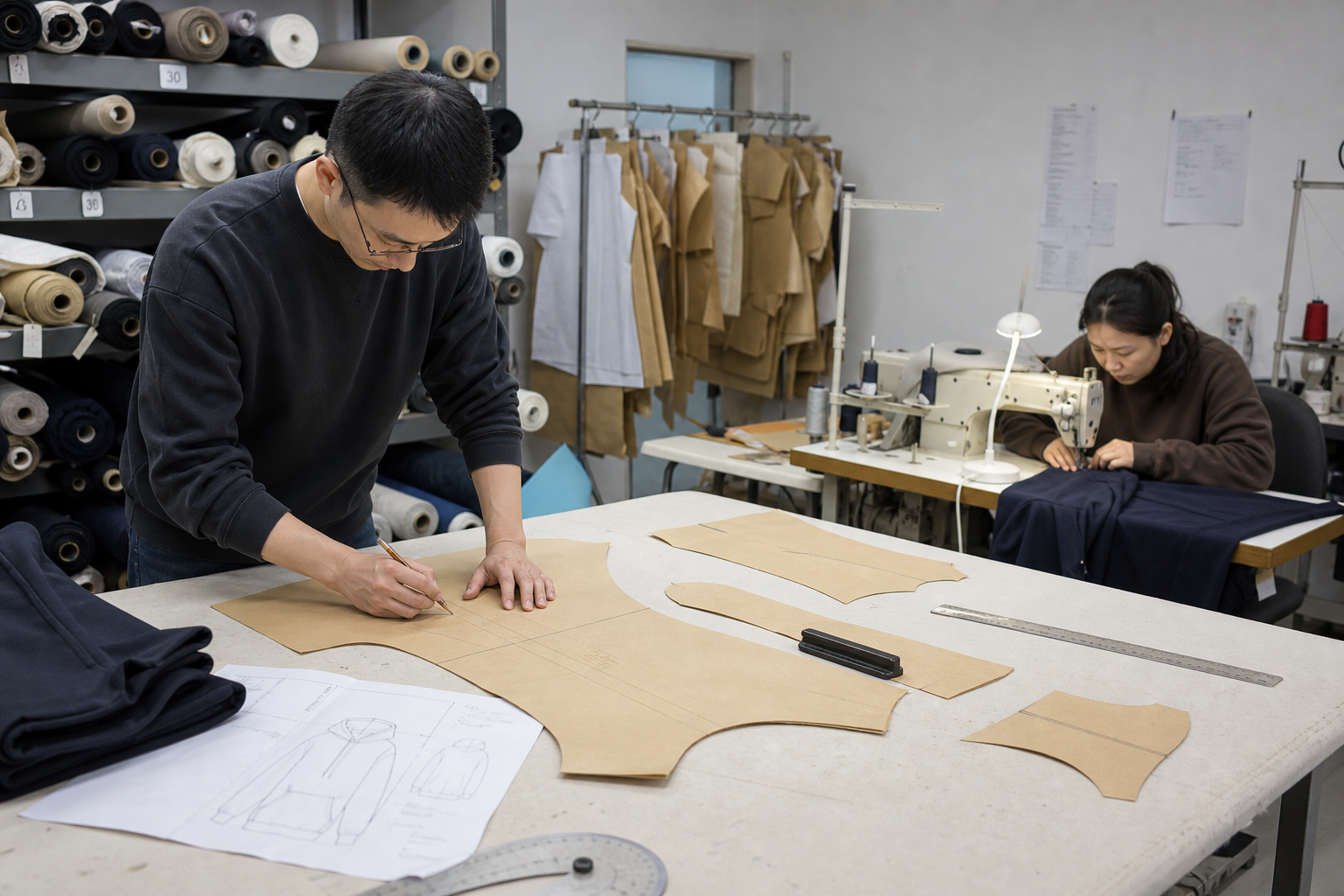
Making one garment is not the same as producing hundreds or thousands.
During bulk production, the factory can spread setup and labor costs across a large number of units. A sample is usually made individually and requires technical work that does not benefit from the same production efficiency.
For a custom hoodie, the factory may need to prepare a new pattern before cutting the first piece.
The sample room may also need to test the fabric, adjust the sewing method, position the pocket, attach labels, and apply the artwork.
If the garment is washed, the sample may need to go through the same washing process expected during bulk production.
Those costs exist even when only one sample is produced.
A sample fee is therefore often a development cost rather than simply the price of one finished garment.
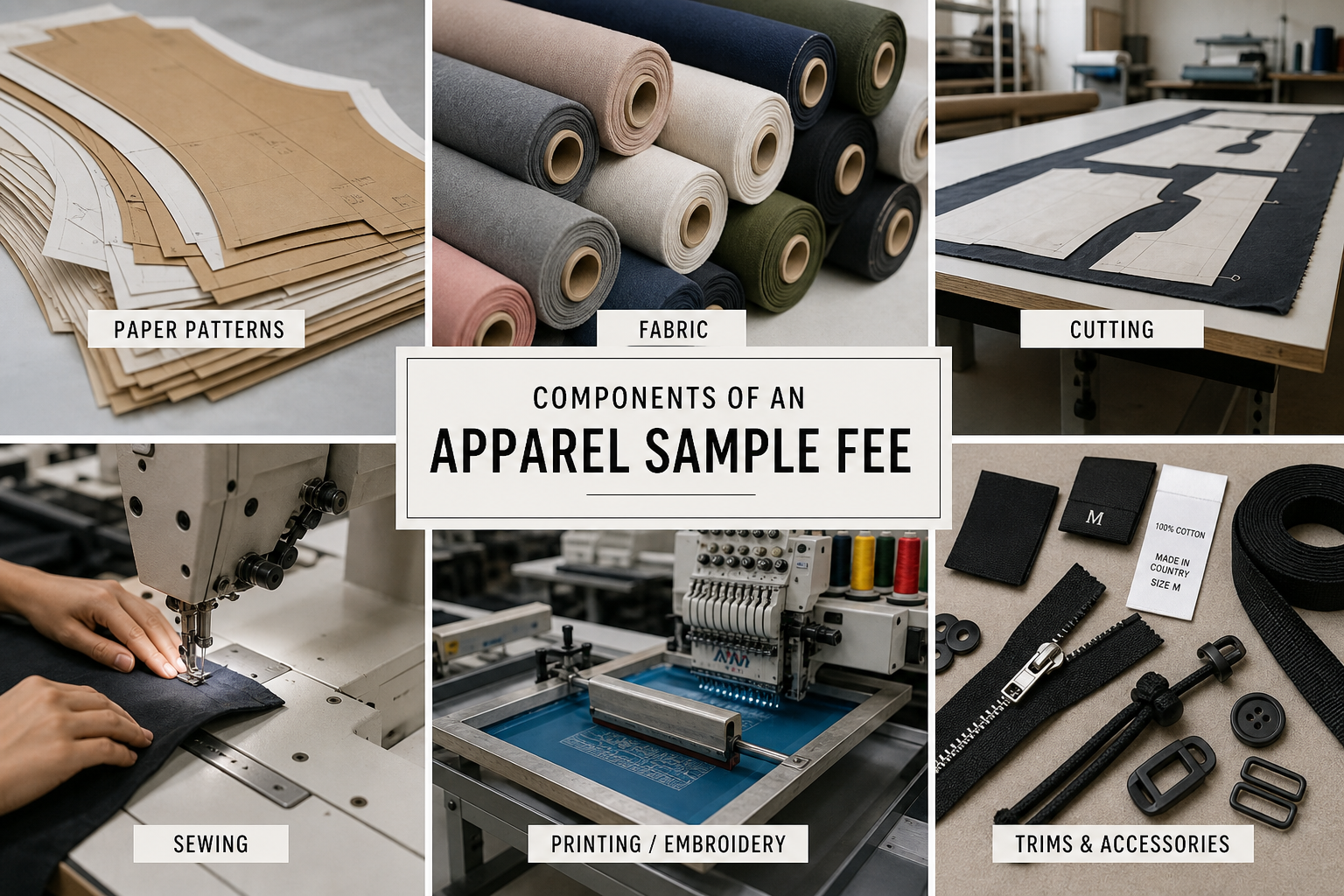
What Is Usually Included in an Apparel Sample Fee?
This varies between manufacturers, so it is worth asking for a breakdown.
A sample fee may include some or all of the following:
Pattern Development
The factory creates or modifies the pattern based on the Tech Pack and measurements.
Fabric
The cost depends on the material, GSM, composition, color, and minimum fabric purchasing requirements.
Cutting and Sewing
The sample room produces the garment manually or in a small development workflow rather than through normal bulk production.
Printing or Embroidery
Custom artwork may require screen preparation, embroidery programming, printing, or other setup work.
Washing
Garment-washed products may require additional processing before the sample can be evaluated.
Trims
Custom woven labels, drawcords, eyelets, zippers, buttons, and other components may add to the development cost.
Technical Adjustments
If the first sample requires pattern or construction changes, the factory may need additional development time.
Not every manufacturer includes all of these items in one sample fee.
Before placing a sample order, ask the supplier:
“What exactly is included in the sample fee?”
That question can prevent confusion later.
How Much Does a Clothing Sample Cost?
There is no reliable universal price for an apparel sample.
A basic T-shirt and a custom washed heavyweight jacket can require completely different amounts of development work.
| Product | Development Complexity |
|---|---|
| Basic T-shirt | Low |
| Oversized T-shirt | Low to Medium |
| Standard Hoodie | Medium |
| Heavyweight Hoodie | Medium to High |
| Washed Streetwear | High |
| Custom Jacket | High |
A factory may also charge differently depending on whether the fabric and trims are already available.
For example, if you need a 100% cotton heavyweight hoodie in a standard black fabric already used by the factory, development can be relatively straightforward.
If you need a specific 480 GSM fabric, custom-dyed color, special wash, custom hardware, and several embroidery locations, the development process is more involved.
The sample fee should be judged against the work required rather than the finished garment’s retail value.
Can the Sample Fee Be Deducted From a Bulk Order?
Yes, some manufacturers offer this arrangement.
However, it is not an automatic industry requirement.
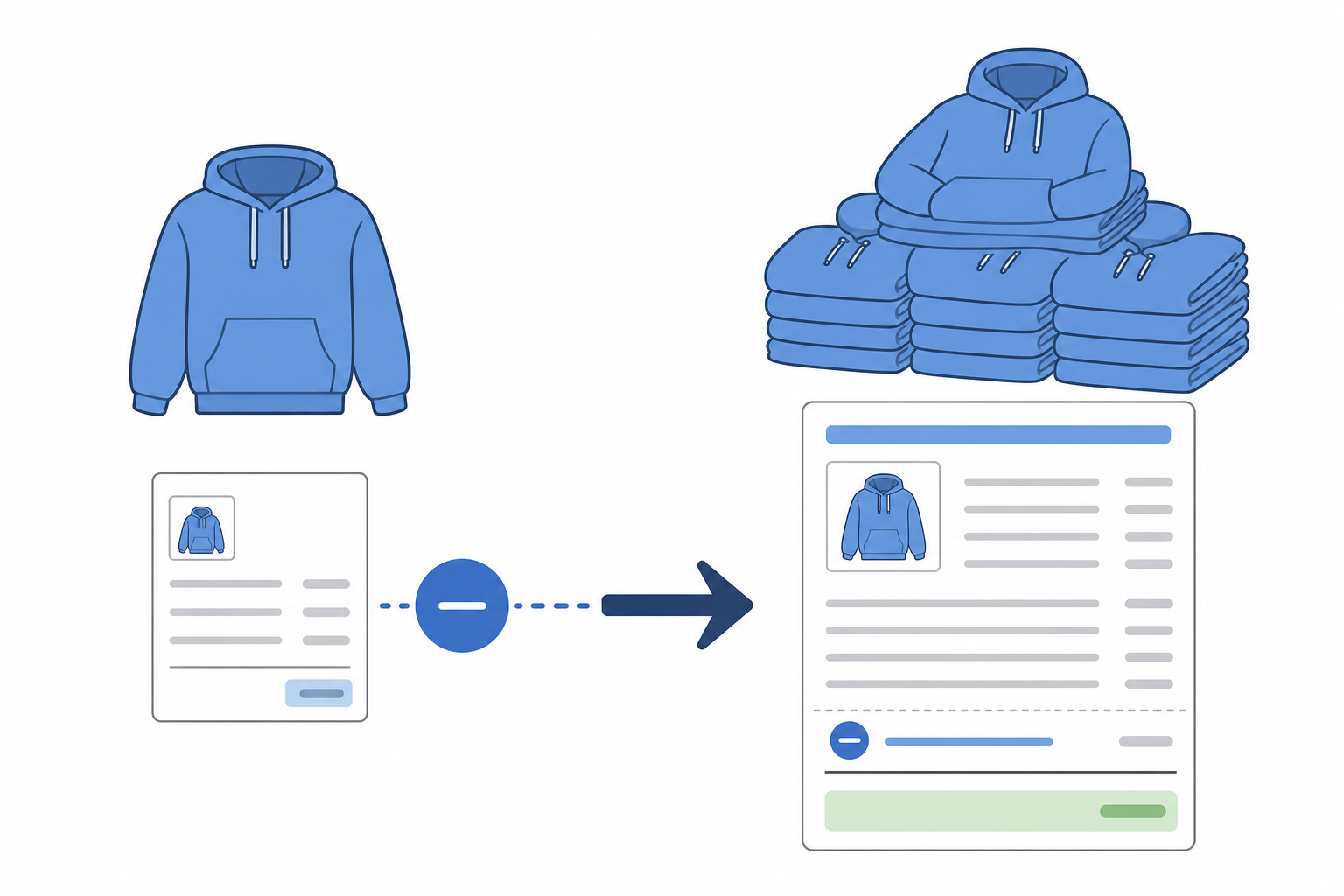
One common approach is to charge the sample fee during development and credit the same amount once the buyer places a qualifying bulk order.
For example:
Sample fee: $100
Bulk order: 1,000 hoodies
Factory price: $12 per piece
The original production value is:
1,000 × $12 = $12,000
If the factory has agreed to credit the full $100 sample fee, the remaining production balance would be:
$12,000 − $100 = $11,900
This is only an example.
The actual credit policy may depend on the manufacturer’s MOQ, order value, product category, or other conditions.
Before paying the sample fee, ask the factory to confirm the credit arrangement in writing.
Sample Fee Credit Is Not the Same Everywhere
A buyer should not assume that every factory uses a 100% credit policy.
You may encounter several arrangements.
Full Credit
The entire approved sample fee is deducted from the first qualifying bulk order.
Partial Credit
The factory credits only part of the development fee.
Credit After MOQ
The fee is credited only when the buyer places an order above a specified quantity.
First Bulk Order Only
The credit applies to the first production order and does not carry forward indefinitely.
No Credit
The sample fee remains a development cost regardless of whether a bulk order follows.
None of these policies is automatically right or wrong.
The important point is that both parties understand the arrangement before development starts.
What About Sample Shipping?
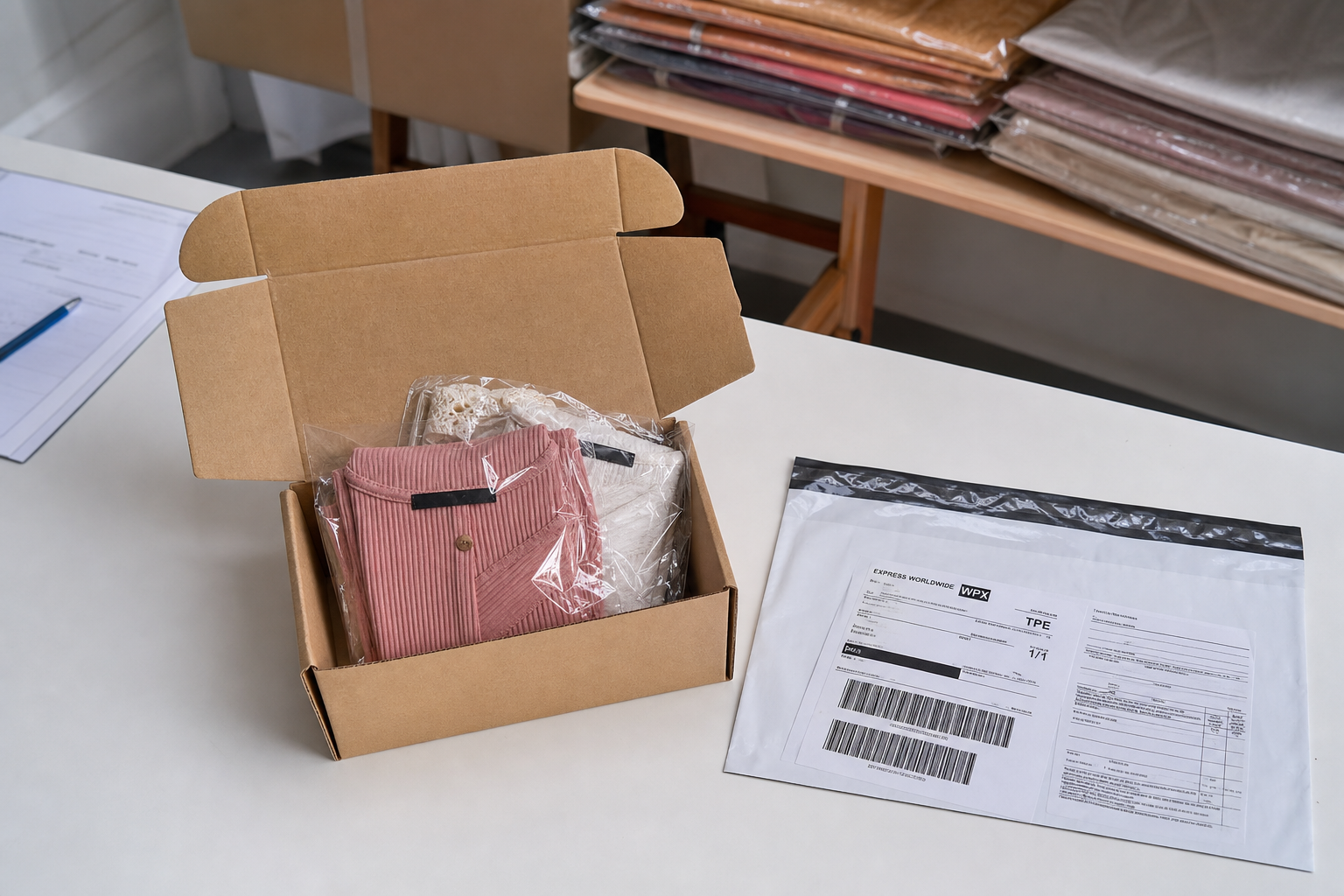
“Free sample” does not always mean free delivery.
A factory may waive the sample manufacturing fee but ask the buyer to cover courier charges.
For international shipments, this can be significant because a single garment may still require express delivery from the manufacturing country to the buyer’s location.
Ask the factory to separate:
Sample cost
from
Sample shipping
and, where relevant:
Customs or import charges
This makes the actual development cost easier to understand.
Why Can a Free Sample Still Lead to Extra Charges?
There are several reasons.
For example, a factory may offer one free basic sample based on its existing fabric and construction.
If the buyer later requests:
- A custom fabric
- Different fabric weight
- New color development
- Additional embroidery
- Special printing
- Custom trims
- Garment washing
the factory may charge for those additional requirements.
Another common situation is sample revision.
The first sample may be included, while substantial changes after the buyer’s feedback create another development charge.
This is why it is better to ask what “free sample” actually means before assuming all future revisions are included.
How Many Samples Do You Usually Need?
There is no fixed number.
A simple T-shirt may reach an acceptable result after one or two development rounds.
A more complicated hoodie may need additional fitting and construction adjustments.
A typical development process can include:
First Sample
The factory makes the initial version based on the Tech Pack.
The buyer checks the general fit, fabric, construction, artwork, and appearance.
Fit or Revised Sample
The factory adjusts the pattern or construction based on the buyer’s comments.
Pre-Production Sample
Once the product has been finalized, a final approved sample can be kept as the reference for bulk production.
Not every product needs three separate rounds.
The number depends on how accurate the original specifications are and how complex the garment is.
A detailed Tech Pack usually reduces unnecessary revisions because the factory has clearer instructions from the beginning.
What Is a PP Sample?
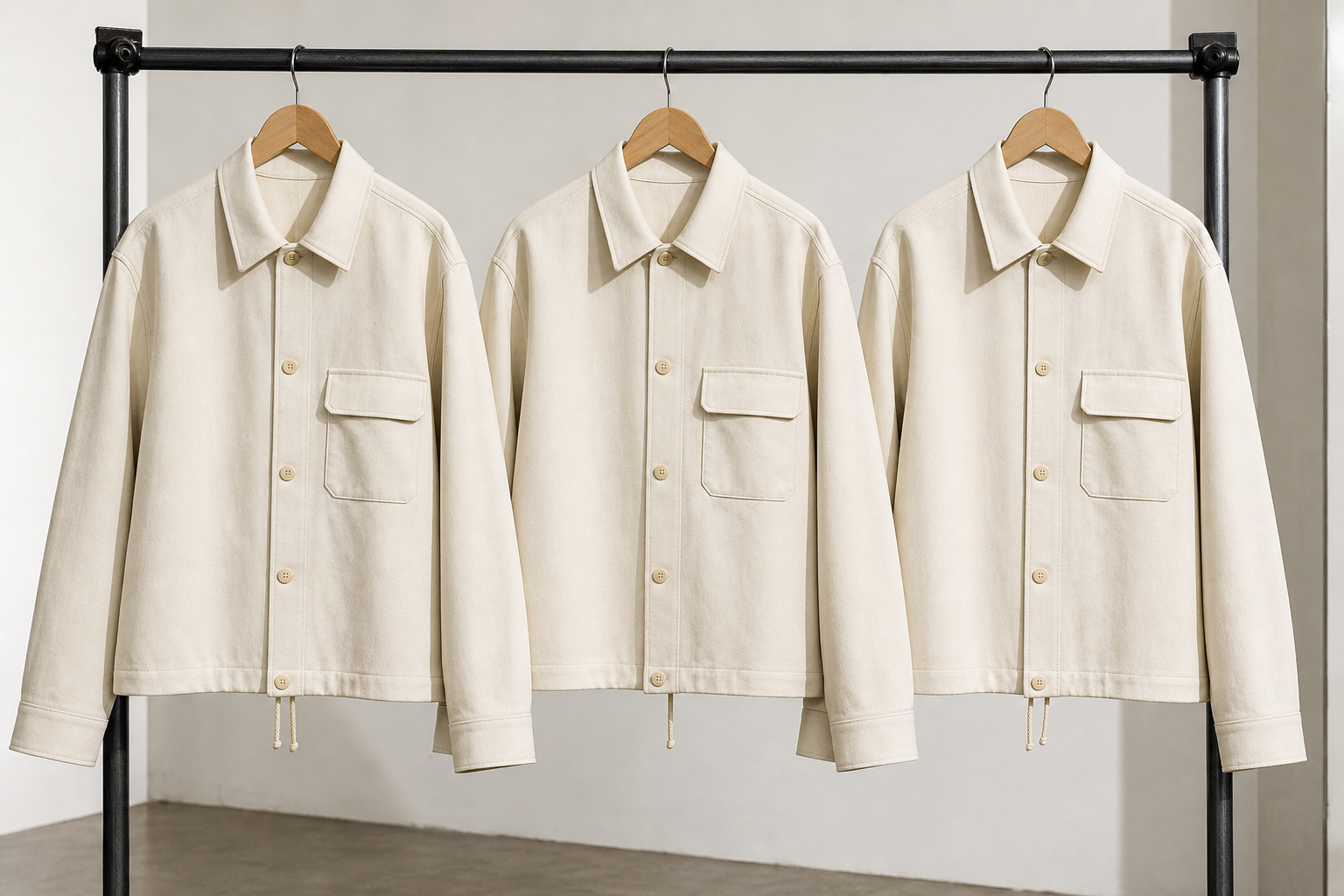
A PP sample, or pre-production sample, is the final approved reference used before bulk production begins.
It should represent the actual production specification as closely as possible.
For example, if the bulk garment will use:
- Final fabric
- Approved color
- Production trims
- Final artwork
- Approved labels
- Final washing process
the PP sample should reflect those decisions.
The purpose is to give the buyer and factory a shared reference.
If the buyer approves a prototype made with one fabric but the bulk order uses another fabric, the approved sample loses much of its value as a quality reference.For more on how PP samples are used in final quality checks, see our garment QC and AQL inspection guide
When Is a Sample Fee Usually Not Refunded?
A sample credit normally depends on a bulk order being placed under the agreed conditions.
If the buyer decides not to proceed, the manufacturer may keep the sample fee to cover the development work already completed.
Other situations can include:
- The order does not reach the agreed MOQ
- The buyer changes the design completely
- The buyer cancels after development
- The sample was developed as a standalone project
- The buyer requests extensive additional development
- The agreed credit period has expired
This is why the sample policy should be confirmed before development rather than discussed after the sample has been completed.
What Should Buyers Ask Before Ordering a Sample?
Before paying a sample fee, I recommend getting answers to these questions:
| Question | Why It Matters |
|---|---|
| How much is the sample fee? | Confirms development cost |
| What does it include? | Prevents unexpected charges |
| Is shipping included? | Separates manufacturing from delivery cost |
| How long will sampling take? | Helps with launch planning |
| How many revisions are included? | Clarifies development limits |
| Can the fee be credited? | Determines potential future deduction |
| What MOQ is required for credit? | Avoids misunderstandings |
| How long is the credit valid? | Important if production is delayed |
| What happens if we cancel? | Clarifies refund conditions |
For international buyers, getting these details by email or quotation is much safer than relying on a verbal agreement.
How Buyers Can Reduce Sample Costs
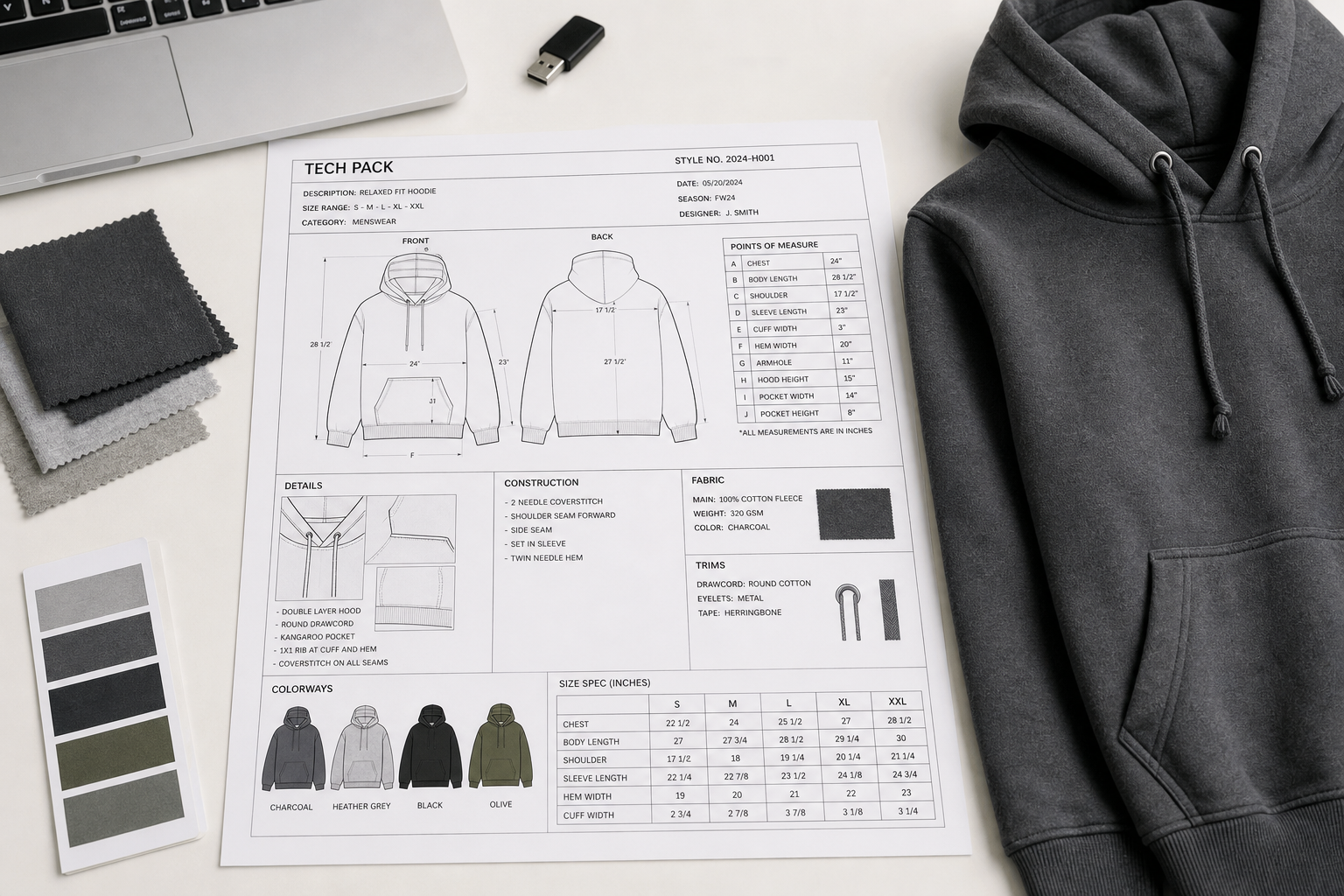
The easiest way to reduce unnecessary sampling expenses is to make the first request as complete as possible.
A good Tech Pack should include the garment measurements, fabric requirements, artwork, trims, construction details, and packaging information that have already been decided.
Artwork should be supplied in a usable production format.
If you already have an approved fabric swatch, send it to the factory.
If you’re using a reference garment, explain which details you want to copy and which details you want to change.
This gives the factory a clearer starting point.
It also reduces the chance of receiving a sample that looks close to the reference but misses important technical details.
How We Handle Sample Development at Vison Clothing
For an OEM project, we prefer to understand the product before confirming the final sample cost.
We normally review the available Tech Pack or product information first.
The fabric, garment construction, artwork, trims, washing requirements, and expected quantity all affect the development process.
If some specifications are still undecided, we identify those points before sampling rather than making assumptions.
Once the development requirements are clear, the sample can be arranged and the buyer can review the result before moving toward bulk production.
For brands developing their own collections, this process also makes it easier to separate three different costs:
Product development
Sample production
Bulk manufacturing
Keeping those costs clear from the beginning makes supplier communication much easier.
Is Paying a Sample Fee a Red Flag?
Not necessarily.
A professional manufacturer may charge a sample fee because there is real development work involved.
A better question is whether the supplier can explain the charge clearly.
Be cautious when a supplier cannot tell you:
- What the sample includes
- How long development will take
- Whether revisions are charged
- What the shipping cost is
- Whether the fee can be credited
- What happens if the project is cancelled
A transparent sample policy is generally more useful than simply looking for a supplier offering the cheapest sample.
FAQ
Are clothing samples free?
Not always. Some manufacturers offer free samples for simple products or selected development projects, while custom apparel samples are often charged because they require fabric, pattern, labor, printing, trims, and technical development.
How much does an apparel sample cost?
The cost depends on the garment and development requirements. A basic T-shirt is usually less complex to develop than a washed heavyweight hoodie or custom jacket.
Can a sample fee be deducted from a bulk order?
Yes, some manufacturers credit the sample fee against a qualifying bulk order. The exact policy varies, so the credit amount and MOQ should be confirmed before sampling.
Who pays for sample shipping?
In many international apparel projects, the buyer pays the courier cost even when the manufacturer waives the sample production fee. This should be confirmed before shipment.
Why do factories charge for sample revisions?
A substantial revision may require a new pattern, fabric, cutting, sewing, printing, or washing work. Whether revisions are included depends on the manufacturer’s sampling policy.
Is a PP sample necessary?
For many custom apparel projects, an approved pre-production sample is useful because it gives the factory and buyer a final reference before bulk production. The need depends on the product and buyer’s quality requirements.
Does a free sample mean all future samples are free?
No. A free first sample may apply only to a specific development stage. Custom fabrics, additional revisions, special trims, or new designs may involve additional charges.
Final Thoughts
There is no single sample fee policy used by every clothing manufacturer.
Some factories absorb the cost of simple samples. Others charge for every development project. Some credit the fee against a qualifying bulk order, while others treat it as a standalone development charge.
For buyers, the most important thing is not finding a supplier that simply says “free sample.”
You need to know what you’re actually paying for.
Before development begins, confirm the sample fee, shipping cost, included work, revision policy, bulk order credit, MOQ, and refund conditions.
Once those details are clear, sampling becomes much easier to manage.
At Vison Clothing, we work with brands, wholesalers, and apparel buyers on OEM product development and bulk manufacturing. If you have a Tech Pack or a garment concept ready, you can send us the specifications for review before deciding whether to move forward with sampling.