For apparel brands, printing is often one of the most visible parts of a T-shirt or hoodie design. A strong graphic can become a key product feature, especially for streetwear collections. However, if the print starts cracking, peeling, or losing color after a few washes, the product quality perception can quickly decline.
In bulk apparel production, printing problems are rarely caused by the artwork itself. Fabric selection, printing method, ink quality, curing conditions, and washing performance all influence the final result.
As an OEM apparel manufacturer working with European and American brands, Vison Clothing helps customers evaluate printing solutions before moving into bulk production. A successful print needs to look good on a sample and remain stable after customers wear and wash the garment.
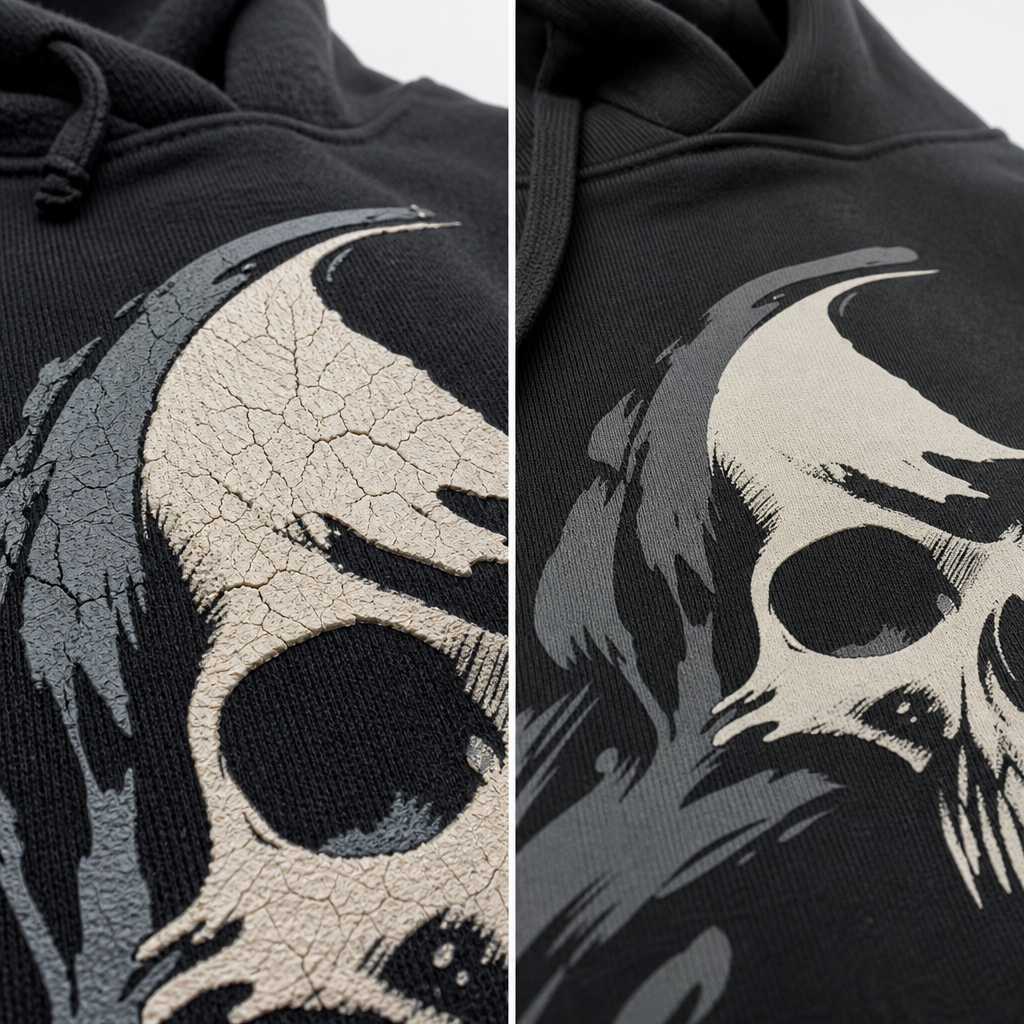
Why Do Hoodie and T-Shirt Prints Crack After Washing?
Print cracking usually appears after repeated washing, stretching, and daily use. Many buyers initially believe the issue comes only from poor-quality ink, but the actual cause is usually related to the entire production process.
Choosing the Right Printing Method for Different Fabrics
Different fabrics require different printing approaches.
A 100% cotton T-shirt usually provides a stable surface for printing. It is widely used for screen printing because cotton fibers absorb ink well and create a reliable print base.
Heavyweight hoodies require more attention. Due to their thicker construction and larger surface movement, the printing material needs to maintain enough flexibility.
For example, an oversized heavyweight hoodie with a large front graphic may experience more stretching during wear. If the print layer becomes too rigid, cracks may appear over time.
A professional custom hoodie manufacturer should evaluate the fabric, garment structure, and printing method together before production.
Why Does Thick Ink Cause Printing Problems?
For streetwear products, brands often request bold graphics with strong color coverage. To achieve a high-impact appearance, some printing processes may apply a thicker ink layer.
However, a heavier print layer does not always mean better quality.
When the ink becomes too thick, it may lose flexibility after washing. Over time, this can create visible cracks or a rough hand feel.
For premium apparel brands, the goal is usually to achieve clear artwork while keeping the garment comfortable and durable.
Experienced factories control ink thickness according to:
- Fabric type
- Print size
- Design requirements
- Final garment use
The correct balance between appearance and durability is more important than simply making the print thicker.
How Does Curing Affect Print Durability?
After printing, the curing process allows the ink to bond properly with the fabric.
Incorrect curing can create problems:
- Under-curing may reduce print durability.
- Overheating may affect fabric color or surface quality.
A reliable printing process requires adjustments based on the specific product.
For example, a heavyweight cotton hoodie and a lightweight cotton T-shirt may require different curing settings.
This is why production experience matters when selecting a custom T-shirt supplier or hoodie manufacturer.
Why Do T-Shirt and Hoodie Prints Fade?
Fading can come from two areas: fabric dye stability and print color performance.
For streetwear brands, dark garments such as black, charcoal, and navy require additional attention because any color change is easier to notice.
Fabric Color Fastness Testing
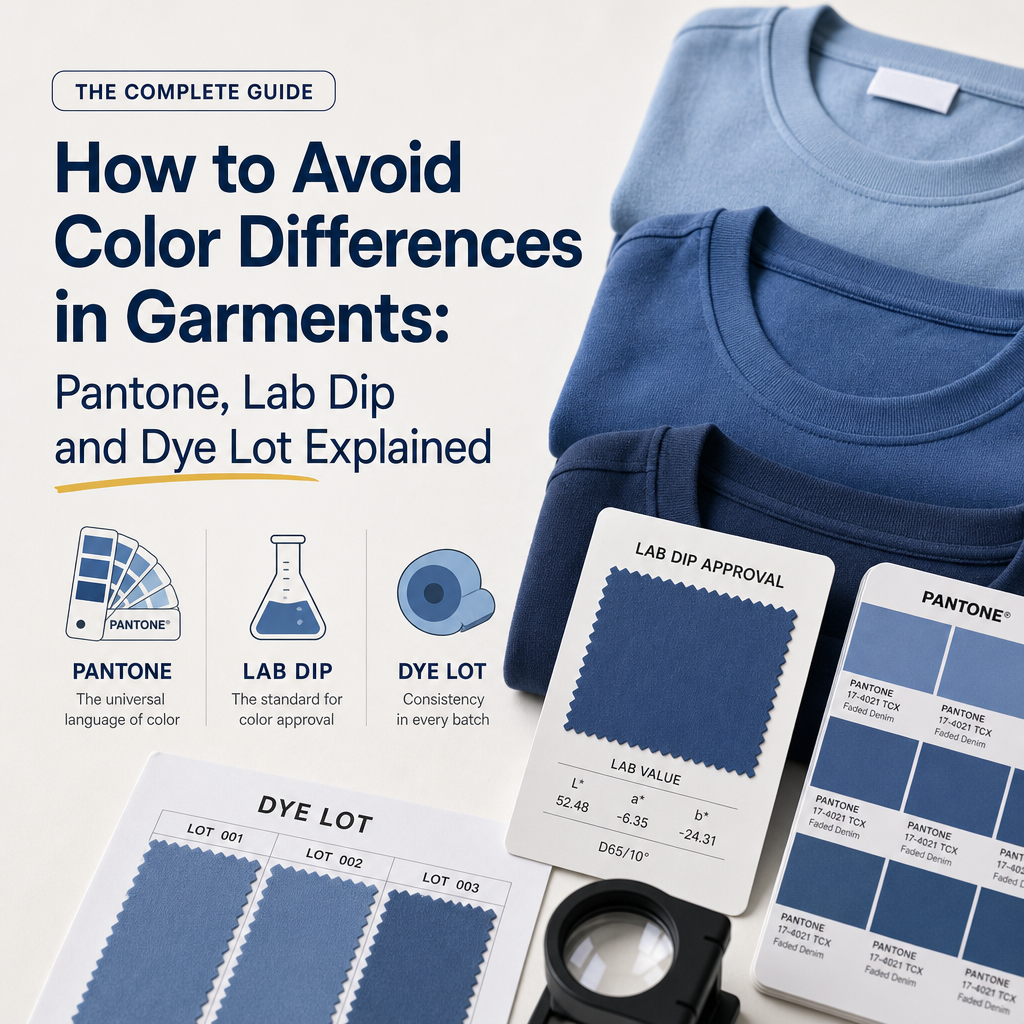
Before bulk production, professional factories usually perform a color fastness test to check how the fabric performs during washing and friction.
Common tests include:
- Washing fastness
- Dry rubbing fastness
- Wet rubbing fastness
These tests help confirm whether the garment can maintain its appearance after regular customer use.
Deep colors often require better dyeing control. Without proper processing, excess dye may release during washing and affect the final garment appearance.
Printing Color Selection and Durability
Some highly saturated colors require additional testing because they contain higher pigment concentrations.
Large graphic prints with multiple colors can also require more careful production control.
For fashion brands, approving a sample based only on appearance is not enough. The sample should be washed and evaluated before bulk production begins.
Best Printing Methods for Custom T-Shirts and Hoodies
The right printing method depends on the design, fabric, order quantity, and target market.
Screen Printing
Screen printing remains one of the most common methods for wholesale apparel production.
It is widely used for:
- Streetwear T-shirts
- Heavyweight hoodies
- Brand collections
- Large production orders
When properly controlled, screen printing provides strong color coverage and consistent results.
For premium products, factories need to carefully manage ink thickness and curing conditions to maintain long-term durability.
DTG Printing
Direct-to-garment printing (DTG) is suitable for detailed artwork and smaller production runs.
It works well for designs with:
- Multiple colors
- Fine details
- Photo-style images
However, DTG performance depends on fabric composition and garment preparation. Testing is recommended before large orders.
Heat Transfer Printing
Heat transfer printing is often used for specific designs or smaller projects.
The final quality depends on transfer material and application settings.
Poor control may cause issues such as:
- Edge lifting
- Surface cracking
- Reduced breathability
For long-term brand products, testing should always be completed before production approval.
Special Effect Printing for Streetwear
Many streetwear brands use special effects to create unique designs.
Examples include:
- Puff printing
- High-density printing
- Vintage effect printing
These techniques can create strong visual impact, but they require experienced production management.
Garment Wash Testing Requirements Before Bulk Apparel Production
For international apparel buyers, wash testing is one of the most effective ways to reduce quality risks.
A sample that looks perfect before washing does not always represent the final bulk production result.
Washing Test
A garment wash test evaluates:
- Print durability
- Color stability
- Fabric shrinkage
- Overall appearance after washing
The testing method depends on the product category and customer requirements.
For example, heavyweight hoodies may require different testing conditions compared with lightweight T-shirts.
Rubbing Test
Rubbing tests measure whether colors or prints transfer during use.
This is especially important for:
- Dark-colored garments
- Large printed areas
- High-contrast designs
Both dry and wet rubbing tests may be required depending on the market standard.
Stretch Test
Large prints on hoodies and oversized garments should also be checked under normal fabric movement.
A quality print should maintain its appearance when the garment stretches during wear.
How Can Apparel Brands Improve Printing Quality Control?
At Vison Clothing, we recommend brands focus on several stages before confirming bulk production.
Match the Print Process With the Product
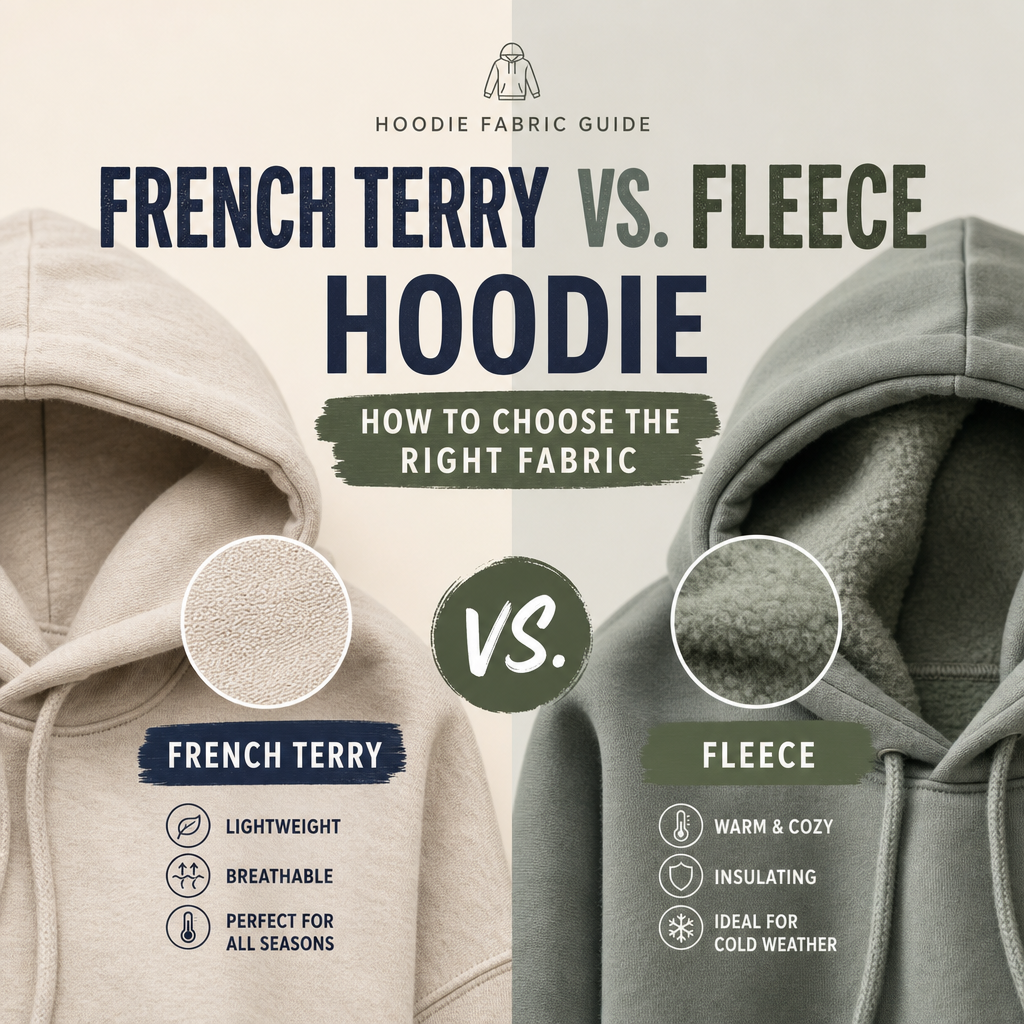
A printing method that works well for a basic cotton T-shirt may not deliver the same result on a heavyweight fleece hoodie.
Fabric weight, surface texture, and garment construction should be considered together.
Approve a Production Sample
Digital artwork cannot fully represent the final garment.
A proper production sample allows brands to check:
- Print position
- Color accuracy
- Hand feel
- Washing performance
This step helps identify problems before they become expensive bulk production issues.
Complete Testing Before Mass Production
For brands selling in Europe, America, and Australia, delivery delays and quality complaints can affect seasonal sales.
Testing before production helps manufacturers and buyers solve problems earlier.
How to Choose a Reliable Custom Hoodie Manufacturer?
Choosing a supplier is not only about production capacity.
A professional custom hoodie manufacturer should understand fabric performance, printing technology, and quality control.
When selecting an OEM partner, brands should consider:
- Experience with heavyweight garments
- Printing knowledge
- Sample development ability
- Quality inspection process
- Communication efficiency
Vison Clothing provides OEM apparel manufacturing services for international brands, wholesalers, and designers.
Our factory produces T-shirts, hoodies, jackets, pants, and other apparel categories. With five production lines and experience serving customers in Europe, America, and Australia, we support brands from product development to bulk production.
For streetwear and fashion brands, reliable printing quality starts before the printing process begins. It comes from choosing the right materials, technology, and manufacturing partner.
FAQ: T-Shirt and Hoodie Printing Quality Control
Why does my hoodie print crack after washing?
Print cracking can happen because of unsuitable printing materials, excessive ink thickness, incorrect curing, or poor compatibility between the fabric and print method.
How can apparel brands test print durability?
Brands can use garment wash testing, color fastness testing, rubbing tests, and stretch tests before bulk production.
Which printing method is best for custom hoodies?
Screen printing is commonly used for bulk hoodie production because it provides stable results and strong color performance. DTG and special effects are suitable for specific designs.
Does 100% cotton work well for clothing printing?
Yes. Cotton is widely used for T-shirt and hoodie printing because it provides a stable surface and good ink absorption. The printing method should still match the fabric quality.
How can I find a reliable custom T-shirt supplier?
Brands should evaluate the supplier’s experience with printing, fabric knowledge, quality control process, OEM capability, and production communication.
What tests should be done before ordering printed apparel?
Common tests include washing tests, color fastness tests, rubbing tests, and shrinkage checks to confirm product performance.
Conclusion
Preventing print cracking and fading requires control throughout the entire apparel production process. Fabric selection, printing technology, curing settings, and garment wash testing all influence the final result.
For brands developing custom T-shirts and hoodies, working with an experienced OEM manufacturer helps reduce quality risks and deliver products that maintain their appearance after repeated use.