For streetwear brands and apparel buyers, developing a heavyweight hoodie usually starts with one question: what fabric construction can deliver the right look and performance?
A hoodie with the same GSM can feel completely different depending on the yarn, knitting method, and finishing process. This is why experienced buyers do not choose fabric based on weight alone.
For European and American brands, heavyweight hoodies are often expected to have a strong silhouette, a premium hand feel, and good durability after repeated washing. Choosing the wrong fabric structure can affect the final product appearance and customer feedback.
For premium heavyweight hoodies, 400-500 GSM is a commonly selected range for streetwear collections. 26s cotton creates a stronger and more structured fabric appearance, while 32s cotton offers a smoother touch. Heavyweight fleece works well for winter-focused products, while French terry is suitable for brands looking for a more breathable and versatile hoodie. The right choice depends on the brand style, target market, and production requirements.
At Vison Clothing, we often help brands compare different fabric options before starting bulk production. Many customers initially focus on GSM, but after sampling, they realize that yarn count and fabric construction have a major influence on the final result.
32s Cotton vs 26s Cotton: Which Is Better for Heavyweight Hoodies?
In hoodie manufacturing, 32s and 26s refer to different cotton yarn counts.
The difference is mainly related to yarn thickness. A lower yarn count generally means a thicker yarn, which creates a different fabric texture.
32s Cotton: A Cleaner Surface and Softer Hand Feel
32s cotton uses finer yarns and creates a smoother fabric surface.
This type of fabric is often chosen for premium casual hoodies where comfort and a refined appearance are important.
When combined with a heavyweight structure, such as a 380-450 GSM fabric, 32s cotton can provide a substantial feel without making the garment feel too rough.
For brands developing elevated basics or premium everyday collections, this option is often easier to match with different designs and fits.
26s Cotton: More Structure for Oversized Streetwear Styles
26s cotton uses thicker yarns, giving the fabric a more visible texture and stronger body.
This makes it popular for oversized hoodies and streetwear products where the garment shape is part of the design.
A heavyweight hoodie made with 26s cotton usually has a firmer drape and can better support loose silhouettes.
However, thicker yarn does not automatically mean better quality. The cotton grade, knitting density, and finishing process still determine whether the fabric feels premium and performs well after washing.
For brands ordering wholesale heavyweight hoodies, these details are worth confirming before production.
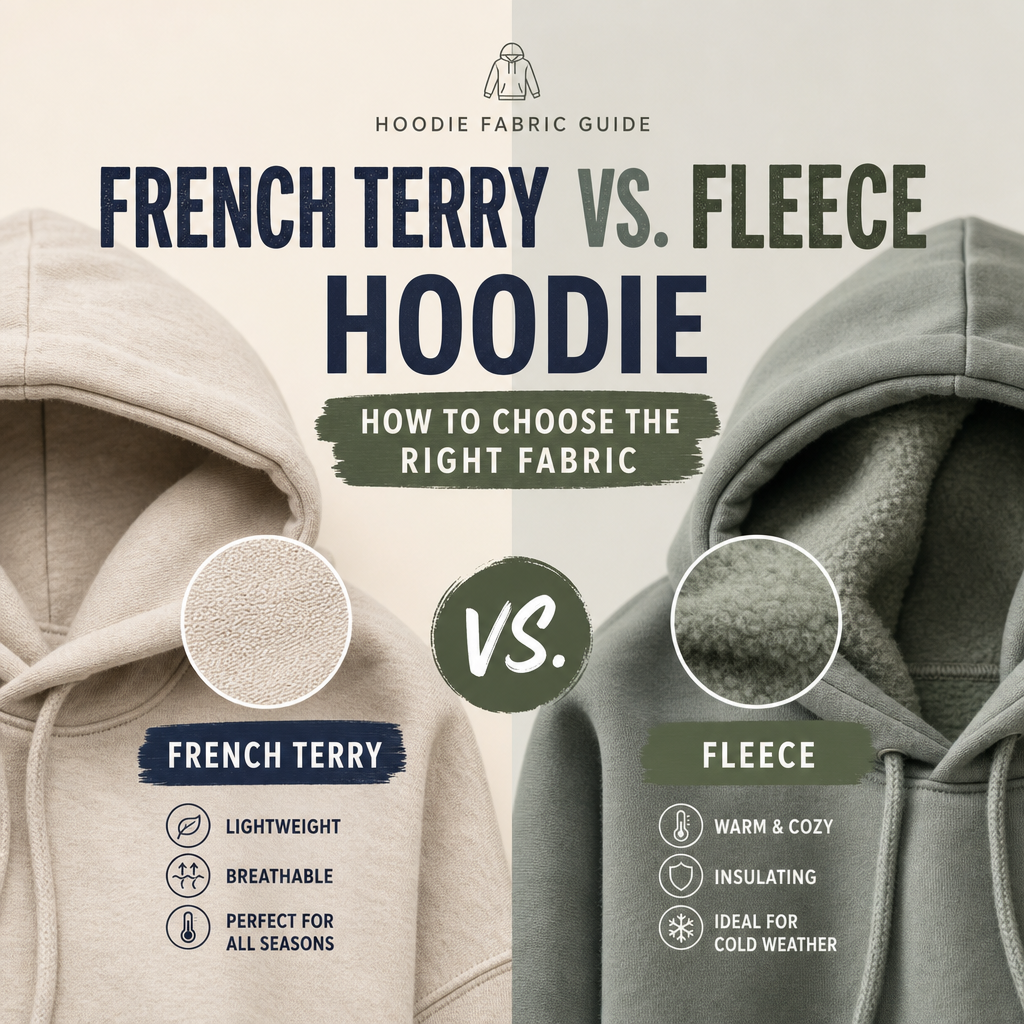
Heavyweight Hoodie Fabric: Fleece or French Terry?
After deciding the yarn, the next question is usually about the inside construction of the fabric.
Most heavyweight hoodies use either fleece or French terry.
The better option depends on the season, market, and product positioning.
Heavyweight Fleece Hoodies: Designed for Cold Weather Collections
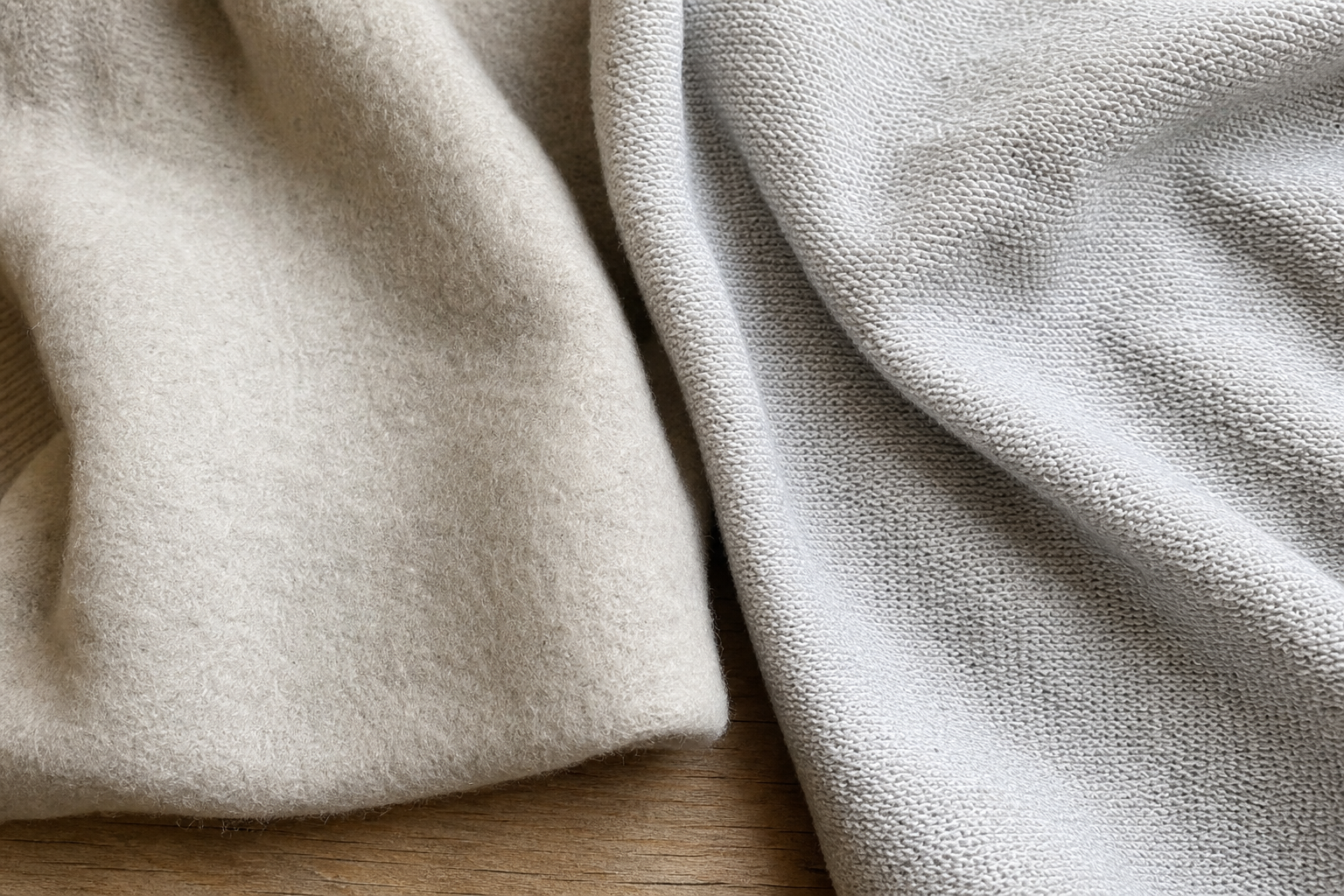
Fleece is created by brushing the inside of the fabric, creating a soft layer that improves warmth.
This construction is widely used for autumn and winter hoodies, especially in North American and European markets.
A heavyweight fleece hoodie can create a fuller appearance and a warmer wearing experience, which is why many streetwear brands choose it for seasonal collections.
For buyers, fleece quality is an important point. Poor brushing techniques may cause loose fibers, surface issues, or changes after washing.
Before placing bulk orders, brands should check sample performance and washing results.
Heavyweight French Terry Hoodies: A More Flexible Choice
French terry keeps the loop structure inside the fabric instead of brushing it.
Compared with fleece, it feels less bulky and allows better airflow.
Many premium casual brands use heavyweight French terry because it works across more seasons. A 380-450 GSM French terry hoodie can still look substantial while remaining comfortable for daily wear.
For brands that want a clean, luxury casual style rather than a winter-only product, French terry is often a suitable choice.
How Should Brands Choose the Right Heavyweight Hoodie Fabric?
The best fabric combination depends on the product direction.
For oversized streetwear hoodies, many brands choose:
- 26s cotton
- 400-500 GSM fabric
- Heavyweight fleece or French terry
This combination helps create the structured shape often seen in premium streetwear collections.
For premium casual collections, a common choice is:
- 32s cotton
- 380-450 GSM fabric
- Quality French terry or fleece
This approach focuses more on comfort and long-term wear.
For winter wholesale programs, brands often consider:
- Heavyweight fleece
- Higher GSM fabrics
- Cotton-rich compositions
The important point is matching the fabric with the customer expectation. A heavyweight hoodie designed for a luxury streetwear label may require a different construction from a large-volume retail program.
How Can Brands Reduce Hoodie Pilling and Fading Problems?
Pilling and fading are common concerns during hoodie development.
The cause is rarely one single factor. Cotton quality, yarn strength, fabric density, dyeing process, and finishing treatment all influence performance.
For example, premium cotton with longer fibers usually creates a cleaner surface compared with lower-grade cotton.
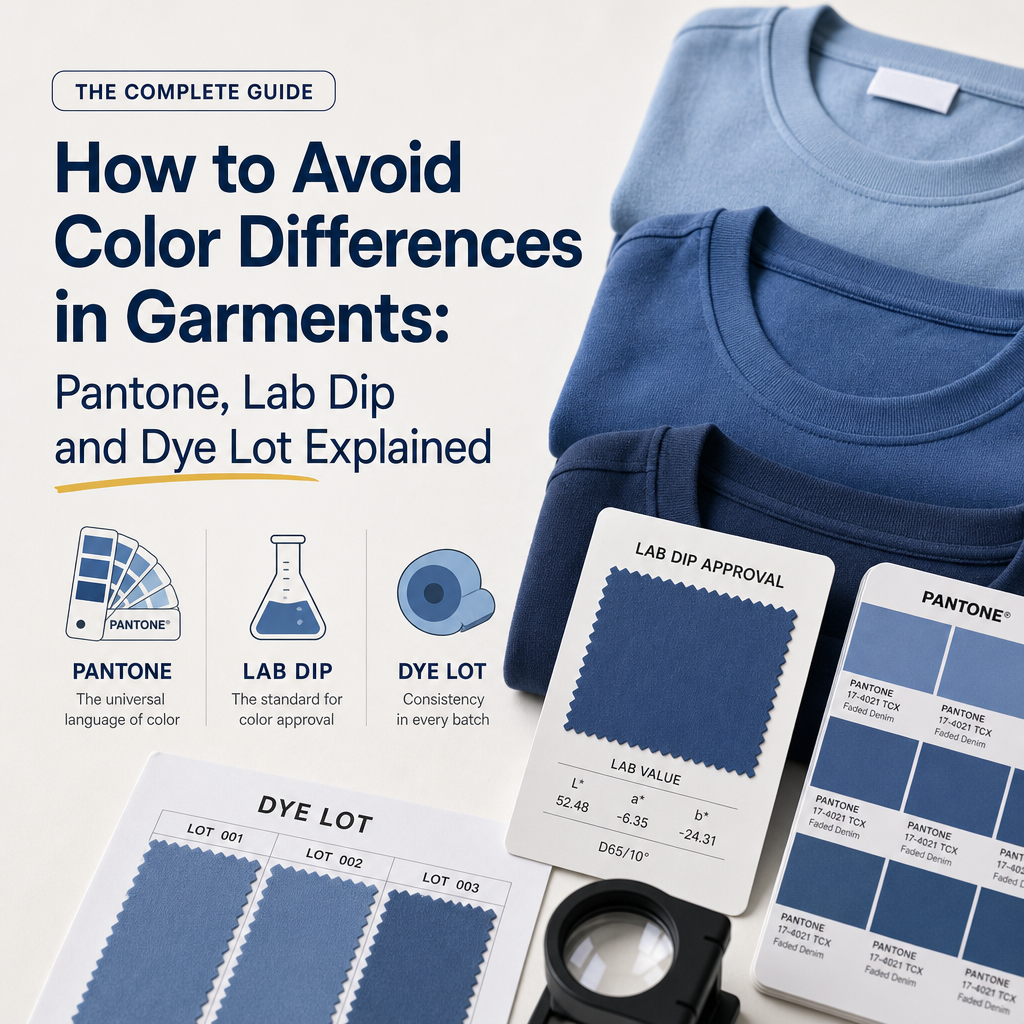
Dark colors also require careful control. Black, charcoal, and navy heavyweight hoodies need reliable dyeing processes to maintain color after washing.
Before bulk production, professional buyers usually check:
- Fabric test results
- Shrinkage performance
- Color fastness
- Washing samples
Working with an experienced manufacturer can help identify these issues before production starts.
What Should Brands Look for in a Heavyweight Hoodie Manufacturer?
Finding the right supplier is an important part of product development.
A capable heavyweight hoodie manufacturer should understand more than sewing. Fabric selection, construction methods, and quality control all influence the final product.
For brands working with a custom hoodie supplier, important factors include experience with heavyweight fabrics, sample development ability, production communication, and delivery management.
Vison Clothing provides OEM hoodie production services for brands, wholesalers, and apparel buyers. We work with customers on fabric selection, sampling, and bulk manufacturing for markets including Europe, America, and Australia.
With five production lines and OEM experience, we help brands develop hoodies that match their design requirements and market positioning.
FAQ: Heavyweight Hoodie Fabric Selection
What GSM is best for a heavyweight hoodie?
For most premium streetwear hoodies, 400-500 GSM is a popular choice. It provides a strong structure while remaining practical for everyday use.
Is 26s cotton better than 32s cotton for hoodies?
They create different fabric characteristics. 26s cotton provides more structure and a heavier appearance, while 32s cotton offers a smoother surface and softer hand feel.
Should I choose fleece or French terry for a heavyweight hoodie?
Fleece is generally better for colder seasons because of its brushed inner layer. French terry is more suitable for brands that want a heavier fabric with better breathability.
Do 100% cotton heavyweight hoodies pill?
Pilling depends on cotton quality, yarn selection, and finishing. A well-made cotton hoodie can reduce pilling issues through better material control and production processes.
What fabric do premium streetwear brands use for hoodies?
Many premium streetwear brands choose heavyweight cotton fleece or French terry between 380-500 GSM, often using 100% cotton or cotton-rich fabrics.
How do I choose a custom hoodie supplier?
Brands should evaluate the supplier’s experience with heavyweight fabrics, OEM capability, quality control process, and communication efficiency before starting bulk production.
Conclusion
When developing heavyweight hoodies, fabric selection should match the brand’s design direction and customer expectations. 26s and 32s cotton create different textures, while fleece and French terry serve different product purposes.
Choosing an experienced heavyweight hoodie manufacturer helps brands avoid fabric mistakes and build products with consistent quality for the market.