When developing a streetwear T-shirt collection, many brands focus first on graphics, colors, and branding. However, the fabric choice often determines whether the final product feels premium or ordinary.
For buyers working with an OEM T-shirt manufacturer, one of the first technical decisions is choosing the right fabric weight.
A supplier may offer a 180 GSM T-shirt at an attractive price, while another factory recommends 260 GSM or even 320 GSM for a similar design. The difference is not only about thickness. Fabric weight affects the silhouette, wearing experience, production cost, and the price customers are willing to pay.
For streetwear brands, choosing the right GSM means finding the balance between product positioning and manufacturing cost.
What Does GSM Mean in T-Shirts?
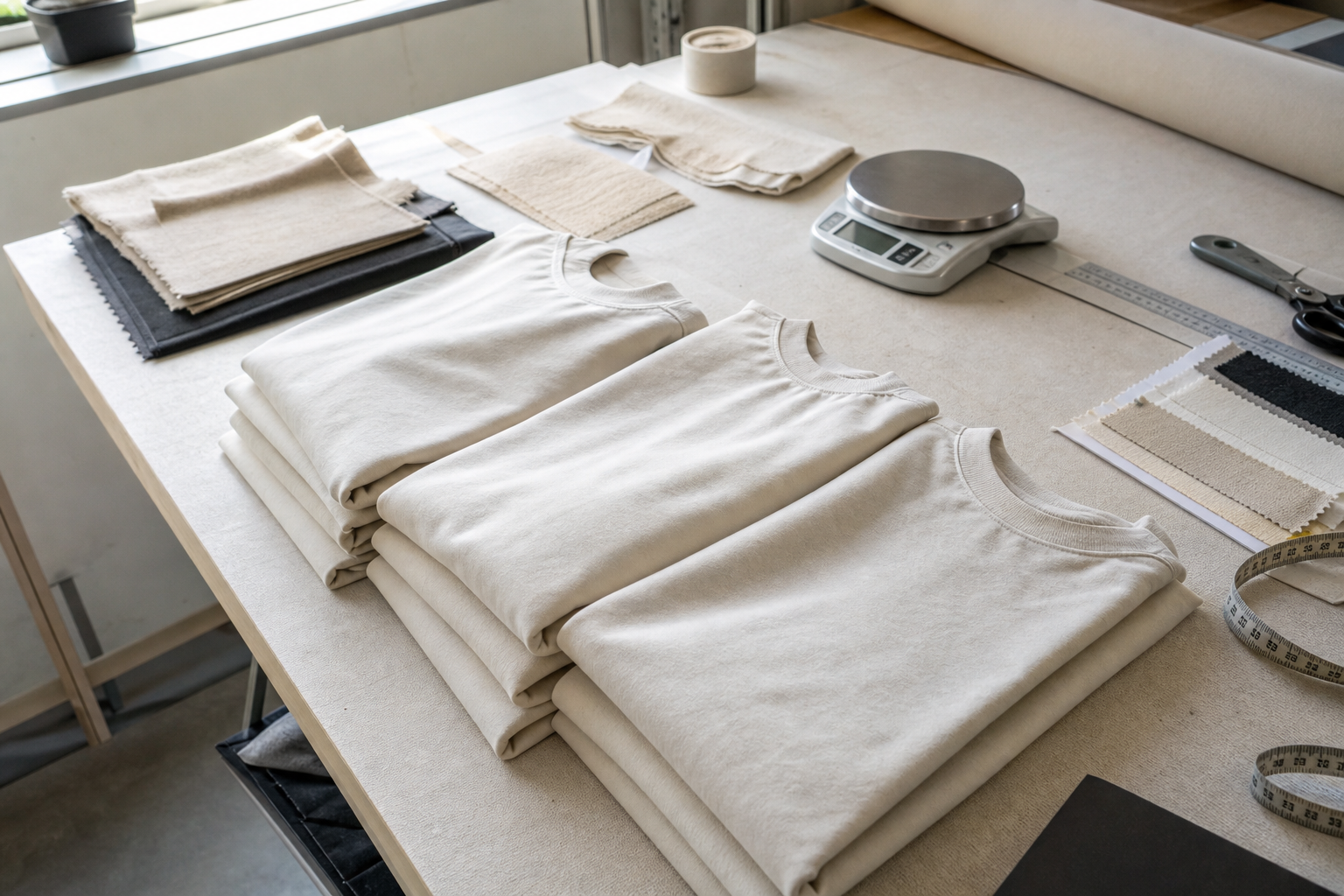
GSM stands for grams per square meter. It measures how much one square meter of fabric weighs.
A lower GSM fabric uses less material and usually feels lighter. A higher GSM fabric contains more yarn and creates a heavier, more structured garment.
For example:
A 180 GSM cotton T-shirt will usually feel softer and lighter compared with a 320 GSM heavyweight tee. The 320 GSM version will have a stronger shape, thicker hand feel, and a more noticeable presence when worn.
However, GSM should not be viewed as the only indicator of quality.
A well-developed 220 GSM T-shirt made with high-quality combed cotton can outperform a poorly produced 260 GSM garment.
When sourcing from a streetwear clothing manufacturer, brands should also consider:
- Cotton quality
- Yarn selection
- Fabric construction
- Shrinkage control
- Pattern design
- Sewing quality
180 GSM T-Shirts: A Cost-Effective Option for Basic Collections
180 GSM is one of the most common weights in the global T-shirt market.
It is widely used because it offers comfortable wearing and keeps production costs under control.
For brands producing large quantities, promotional apparel, or entry-level collections, 180 GSM can be a practical choice.
The advantages are straightforward:
The fabric is lighter, making it suitable for warm climates and summer collections. The lower material usage also helps manufacturers achieve more competitive pricing.
However, 180 GSM has limitations for modern streetwear.
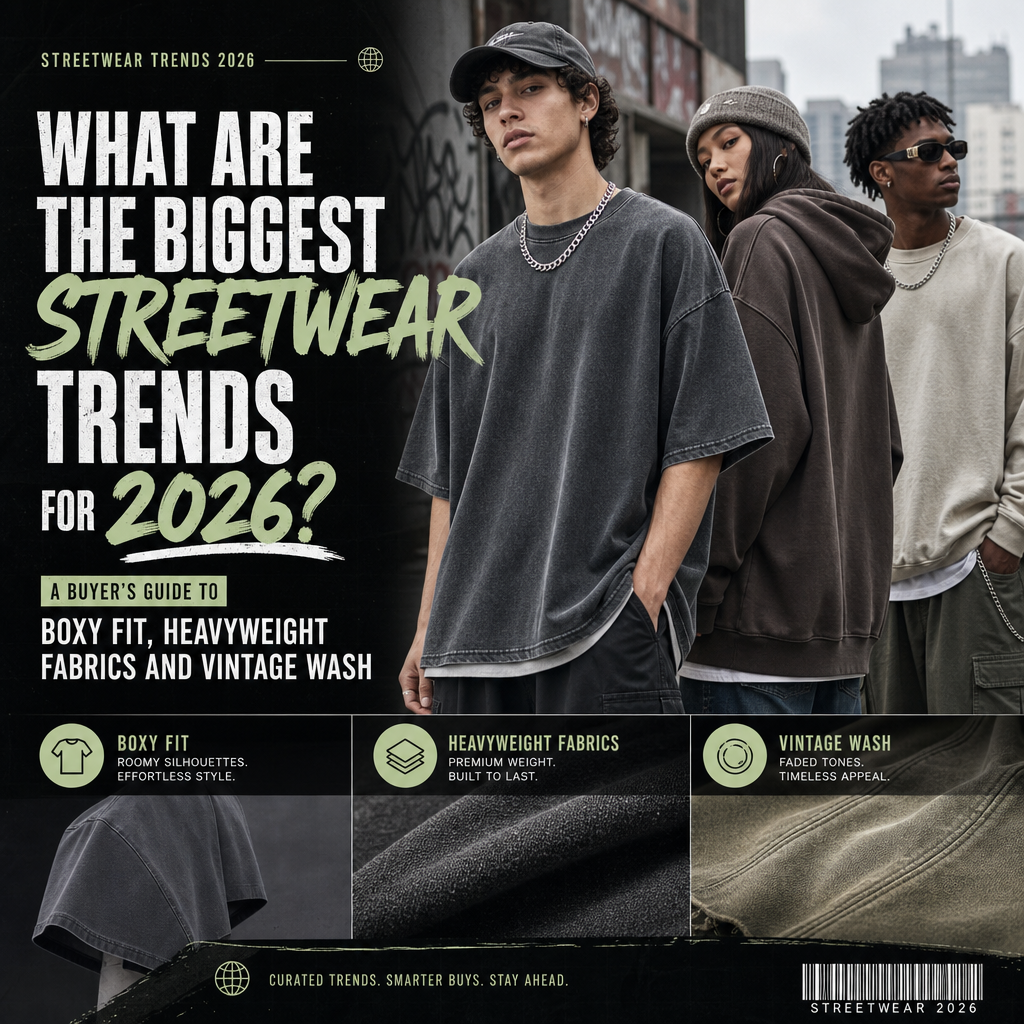
Oversized streetwear designs usually depend on fabric structure. A lightweight fabric may not hold the wide shoulders and relaxed silhouette that many consumers expect from premium streetwear.
Common concerns include:
- Less structured fit
- Softer shape after washing
- Lower premium perception
For this reason, many independent streetwear brands use heavier fabrics for their main collections.
220 GSM T-Shirts: The Most Popular Choice for Streetwear Brands
220 GSM has become one of the most widely selected weights for streetwear T-shirts.
It sits between lightweight basics and heavyweight premium products.
Compared with 180 GSM, a 220 GSM T-shirt provides a noticeably better hand feel while keeping production costs reasonable.
This weight works well for:
- Oversized T-shirts
- Everyday streetwear collections
- Casual fashion brands
- Mid-range retail products
Many startups choose 220 GSM for their first collection because it gives customers a stronger quality impression without significantly increasing the retail price.
From a production point of view, moving from 180 GSM to 220 GSM increases fabric consumption, but the additional cost is usually manageable.
For brands selling T-shirts in the $30–60 retail range, 220 GSM is often a practical starting point.
260 GSM T-Shirts: A Common Choice for Premium Streetwear
260 GSM is where many brands begin to create a more distinctive product.
The extra weight gives the garment a stronger structure, which is especially important for oversized and boxy streetwear styles.
A 260 GSM T-shirt usually has:
- A thicker appearance
- Better shape retention
- A more premium feel
- A stronger silhouette
This is why many designer brands and independent streetwear labels choose 260 GSM for their signature products.
Customers may not understand fabric specifications, but they can usually feel the difference when they hold and wear the garment.
The additional fabric weight also supports higher retail pricing.
Compared with 220 GSM, production costs normally increase because of higher material usage and more demanding fabric handling.
For brands positioned above the basic apparel market, 260 GSM is often a better investment than choosing the lowest-cost option.
320 GSM T-Shirts: Designed for Luxury Streetwear
320 GSM represents the heavyweight end of T-shirt production.
At this level, the garment begins to feel closer to a lightweight sweatshirt while maintaining a T-shirt appearance.
Brands usually select 320 GSM when they want a strong visual identity and a premium product experience.
This weight works well for:
- Limited collections
- Luxury streetwear
- Designer collaborations
- High-end retail products
However, it is not suitable for every market.
A 320 GSM T-shirt costs more to manufacture, weighs more during shipping, and may feel too warm in certain climates.
For brands selling in hot regions or targeting mass customers, a lighter fabric may perform better.
180 vs 220 vs 260 vs 320 GSM: Cost Comparison
The actual cost depends on fabric quality, order quantity, production location, and finishing requirements. However, the general relationship is:
| Fabric Weight | Positioning | Cost Level |
|---|---|---|
| 180 GSM | Basic T-shirt | Low |
| 220 GSM | Premium everyday T-shirt | Medium |
| 260 GSM | Heavyweight streetwear | Medium-high |
| 320 GSM | Luxury heavyweight T-shirt | High |
A common mistake among new brands is focusing only on the GSM number.
Two factories can both quote a 260 GSM T-shirt but produce very different results.
The difference may come from:
- Cotton grade
- Yarn quality
- Fabric density
- Washing process
- Cutting accuracy
- Sewing standards
A professional OEM apparel manufacturer should help you evaluate the complete product, not simply provide the highest GSM available.
Which GSM Should Your Streetwear Brand Choose?
There is no universal answer. The right choice depends on your business model.
For New Streetwear Brands
220–260 GSM is usually the most practical range.
It creates a premium impression while keeping development costs under control.
For Premium Fashion Labels
260–320 GSM provides stronger differentiation.
Customers shopping in the premium segment usually expect noticeable fabric quality.
For Large Volume Projects
180–220 GSM can be more suitable when controlling costs and maintaining competitive pricing are the main priorities.
Questions to Ask Your T-Shirt Manufacturer Before Production
Before placing an order, brands should discuss more than fabric weight.
Ask your supplier:
- What cotton quality is used?
- Is the fabric pre-shrunk?
- What is the expected shrinkage rate?
- Can you produce custom oversized patterns?
- How do you control quality during production?
- Can you provide samples before bulk manufacturing?
A reliable custom T-shirt supplier should help you choose a fabric that matches your target market instead of simply recommending the heaviest option.
Final Thoughts
Choosing the right GSM is one of the key decisions when developing streetwear T-shirts.
180 GSM works well for lightweight and cost-focused products.
220 GSM remains one of the most balanced options for brands that want quality without excessive production costs.
260 GSM is a strong choice for premium streetwear collections where fit and fabric feel matter.
320 GSM is suitable for brands creating luxury or limited-edition products.
The goal is not to choose the thickest fabric. The goal is to choose the fabric that supports your brand positioning, pricing strategy, and customer expectations.
A knowledgeable OEM T-shirt manufacturer can help you test different fabrics, develop samples, and create a product that fits both your brand identity and your business goals.