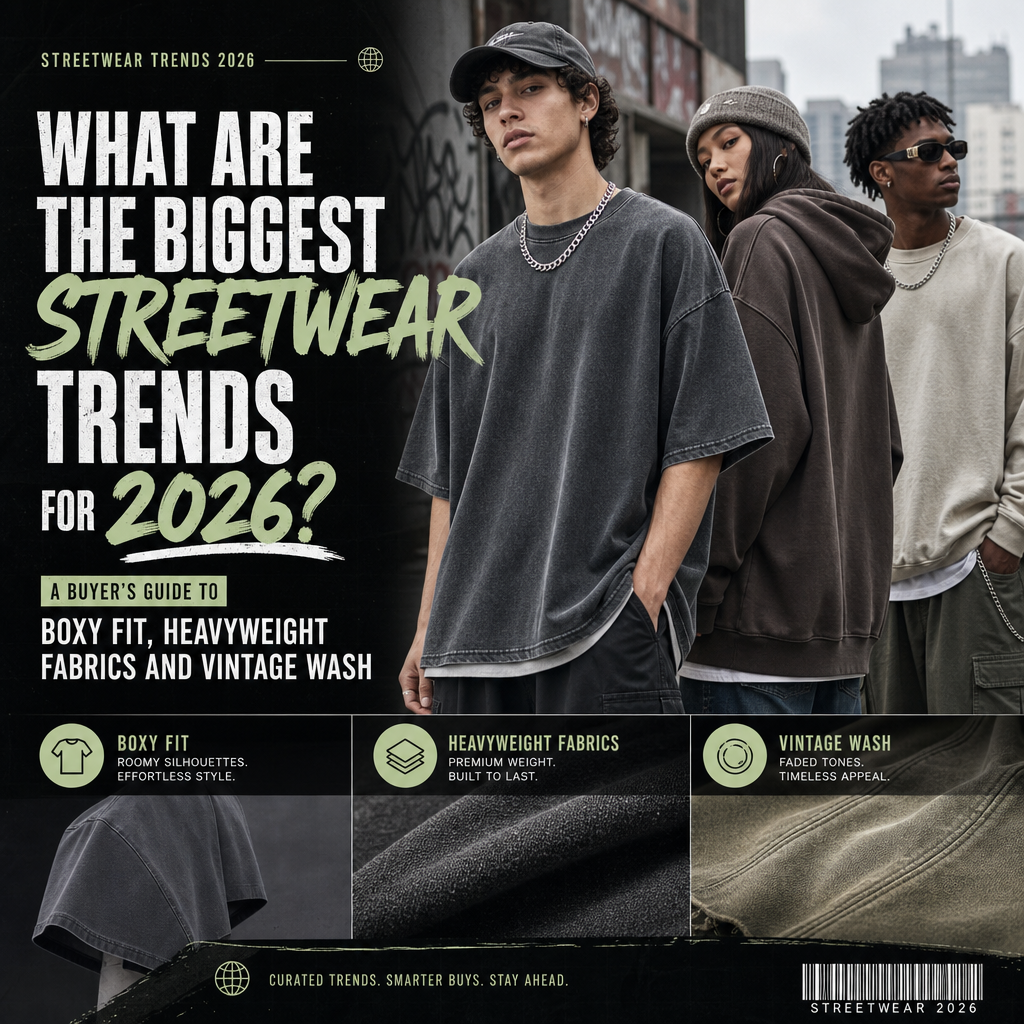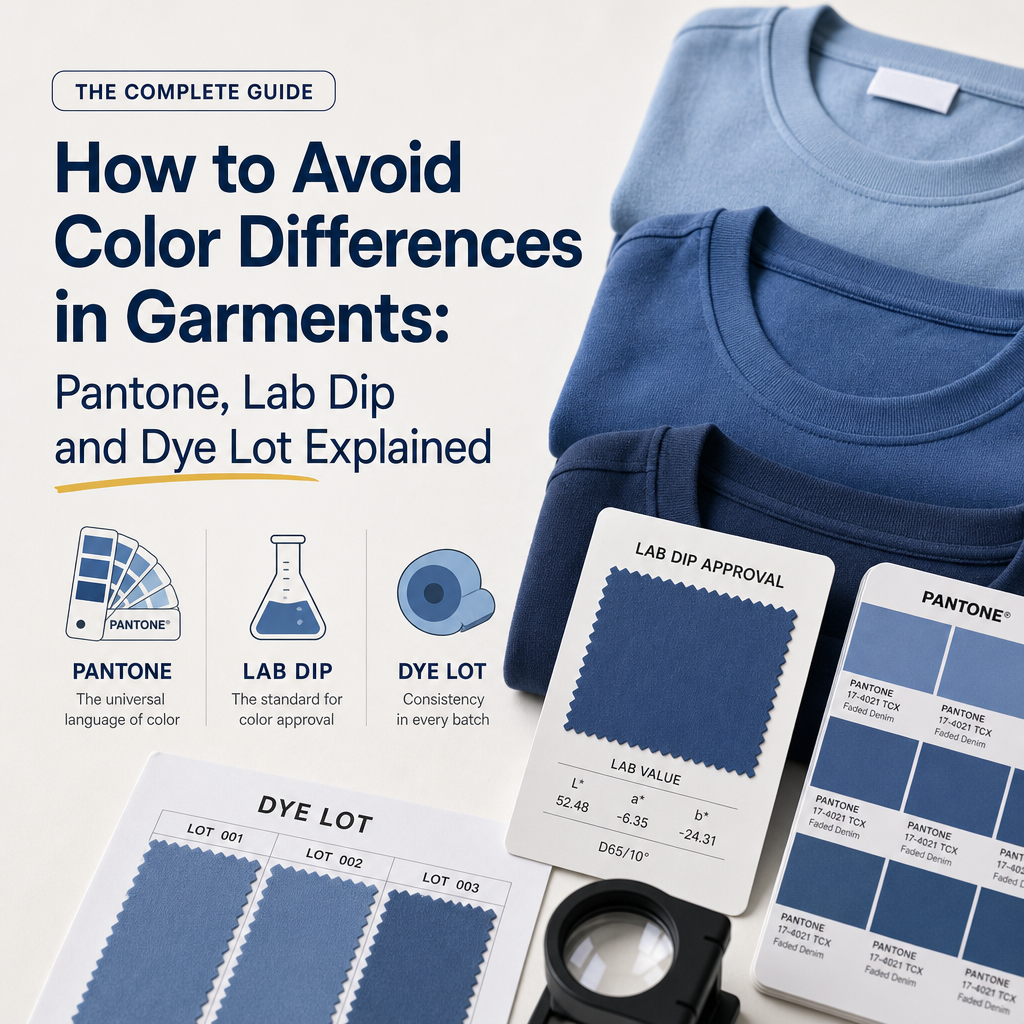
Launching a clothing brand has never been easier. Building one that survives is another story.
Social media makes it look simple. A few sketches, a logo, an online store, and suddenly you’re running your own fashion label. What most people don’t see are the costly mistakes behind the scenes—ordering too much inventory, choosing the wrong supplier, or spending thousands of dollars before making the first sale.
Starting a clothing brand doesn’t require a huge budget. It requires smart decisions. By validating your ideas early, keeping your first collection simple, and working with the right manufacturing partner, you can reduce risk, control costs, and build a stronger foundation for long-term growth.
Over the years, we’ve worked with both established apparel companies and entrepreneurs launching their very first collection. Some started with only a few hundred pieces. Others invested heavily before testing their products and quickly found themselves sitting on unsold inventory.
The difference wasn’t always money. More often, it came down to planning.
This guide isn’t about becoming the next luxury fashion house overnight. It’s about building a brand step by step while protecting your budget and avoiding the mistakes we see new businesses make every season.
Most Clothing Brands Don’t Fail Because of Bad Designs
Many first-time founders believe success depends on having the most original design.
In reality, that’s rarely the deciding factor.
We’ve seen simple oversized hoodies sell out while beautifully designed collections struggled to find buyers. The market doesn’t reward creativity alone. It rewards products that solve a customer’s problem, match current demand, and are priced correctly.
What usually hurts new brands isn’t design—it’s spending money too early.
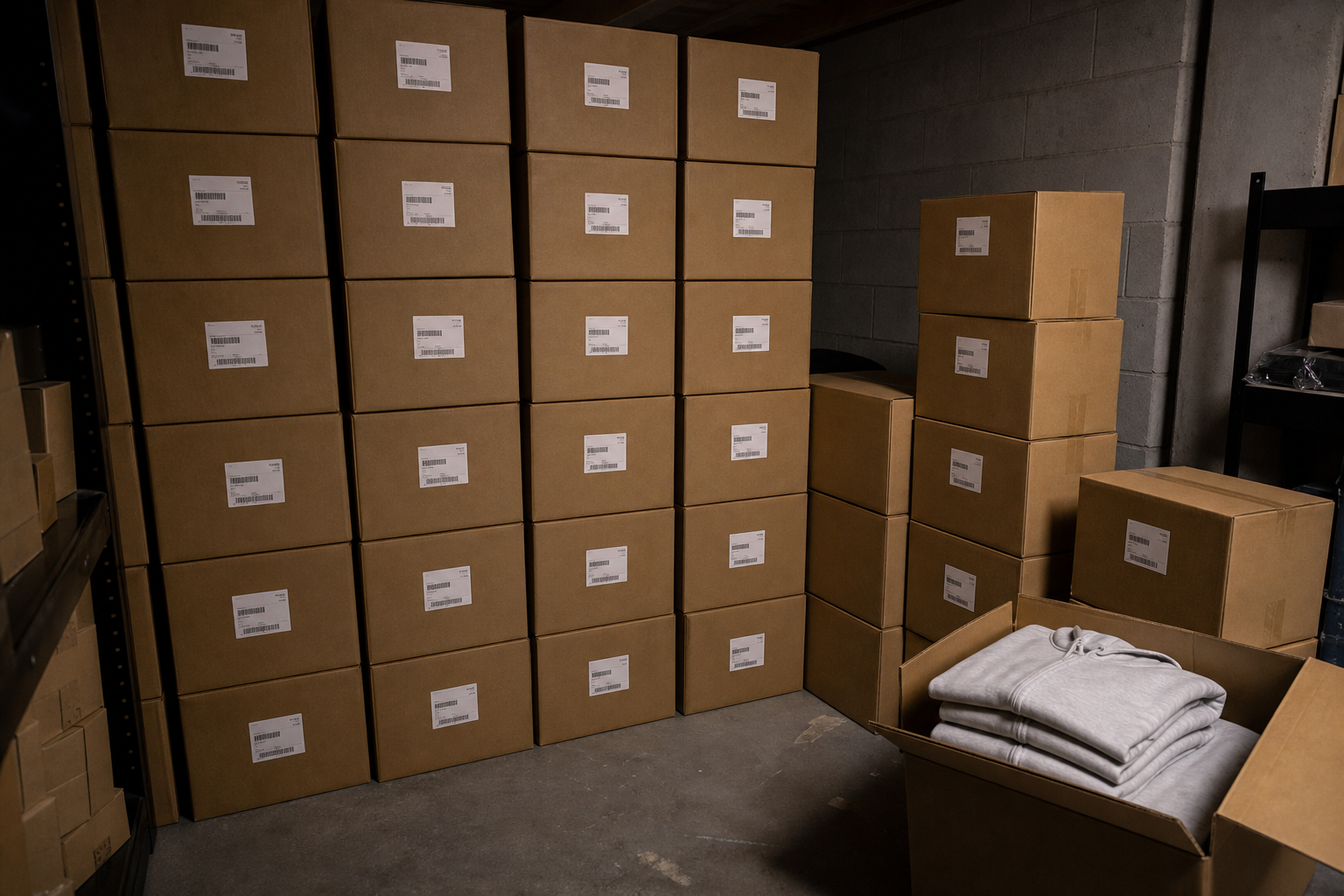
Some founders invest in custom packaging, embroidered labels, expensive photo shoots, and large production runs before they’ve confirmed whether customers actually want the product.
Once inventory starts sitting in storage, every decision becomes more expensive.
Instead of focusing on sales, the business begins trying to recover sunk costs.
Think Like a Buyer Before You Think Like a Designer
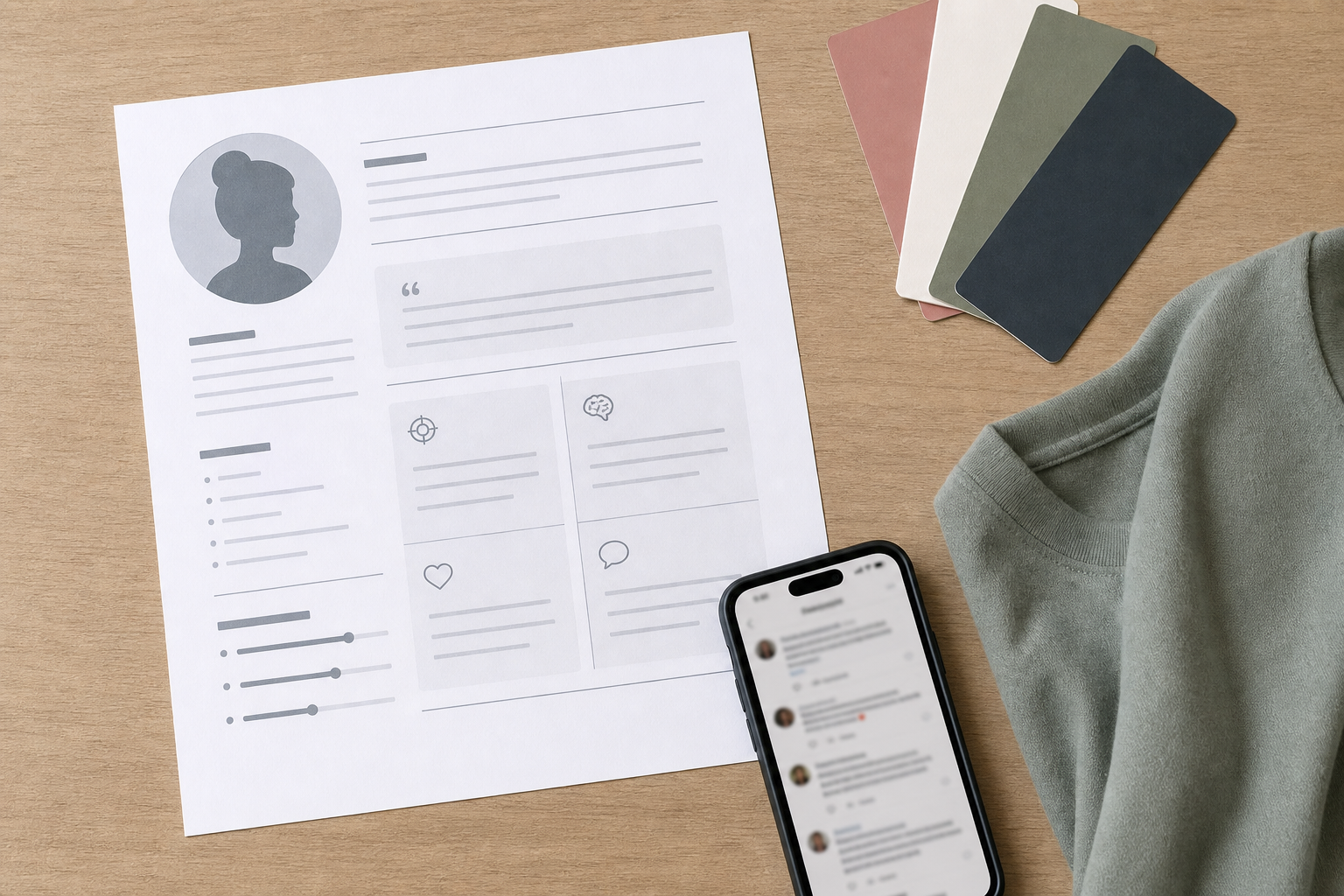
Experienced apparel buyers often ask one question before discussing fabrics or colors:
“Who is going to buy this?”
It’s a simple question, but many startups skip it.
Before creating your first collection, spend time understanding your customer.
Are you designing for streetwear enthusiasts?
Fitness communities?
Outdoor brands?
University students?
Premium basics?
Each audience expects different fits, fabrics, price points, and branding.
For example, customers buying heavyweight oversized hoodies usually care more about fabric weight and silhouette than complicated graphics.
Someone shopping for performance apparel will pay closer attention to stretch, moisture management, and comfort.
The clearer your customer profile becomes, the easier every other decision will be—from fabric sourcing to marketing.
Validate the Product Before Investing in Inventory
One of the most expensive mistakes we see is producing too much, too soon.
It’s understandable.
Ordering larger quantities usually reduces the cost per piece, so it feels like the logical choice.
Unfortunately, lower production costs don’t help if half the inventory never sells.
A safer approach is to validate demand first.
That doesn’t necessarily mean launching a complete collection.
Sometimes a single hoodie or one well-designed T-shirt tells you everything you need to know.
Many successful brands began with one signature product instead of ten different styles.
The goal isn’t to maximize profit on your first production run.
The goal is to learn.
Can customers understand your brand?
Do they like the fit?
Is the pricing realistic?
Will they buy again?
Those answers are worth far more than saving a dollar on manufacturing costs.
Your First Collection Doesn’t Need Twenty Styles
New brands often believe they need a large catalog to look professional.
Established brands may release dozens of new products every season, but they also have larger teams, stronger cash flow, and years of sales data behind their decisions.
A startup doesn’t have those advantages.
Keeping the first collection small makes product development much easier to manage.
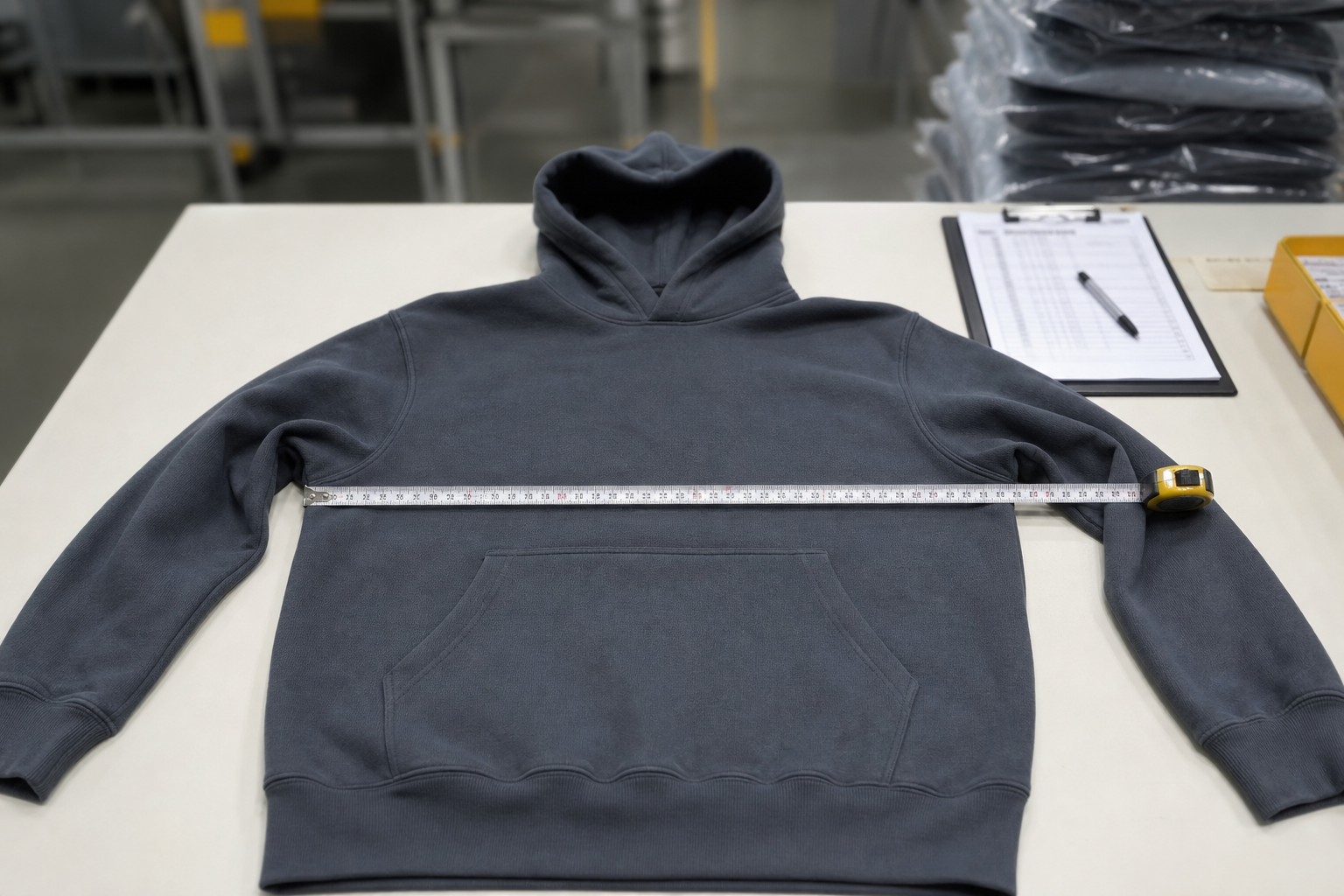
Imagine launching with six carefully planned products:
- Two T-shirts
- Two hoodies
- One pair of shorts
- One pair of sweatpants
Even better, those products can share the same color palette, trims, labels, and packaging.
Using common materials across multiple styles helps reduce purchasing costs and simplifies production.
It also makes inventory easier to manage later.
A focused collection usually feels stronger than dozens of unrelated products competing for attention.
Don’t Design Every Product from Scratch
One misconception about fashion is that every successful brand creates completely original garments.
In reality, many brands begin with proven silhouettes and gradually develop their own identity.
This approach saves both time and development costs.
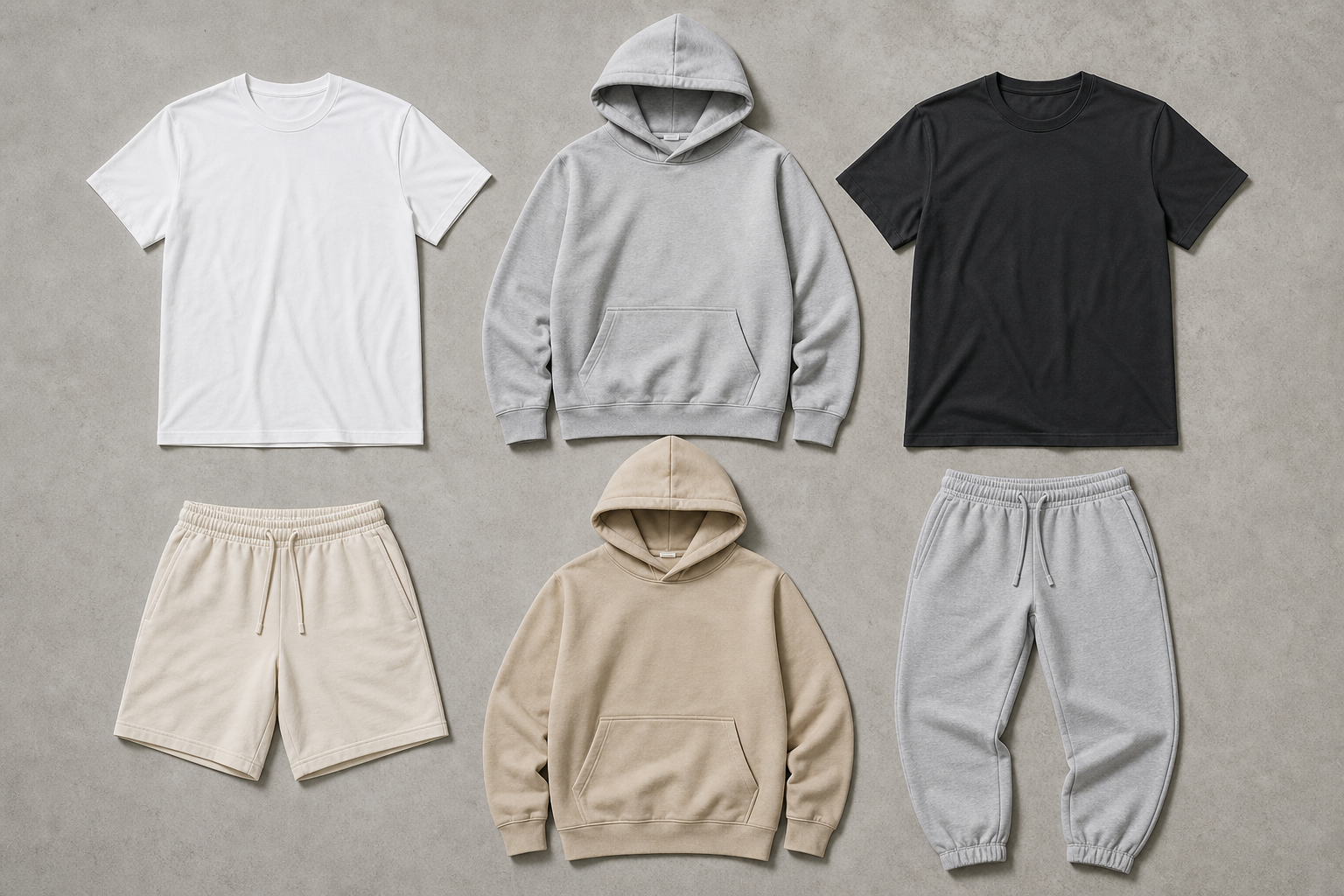
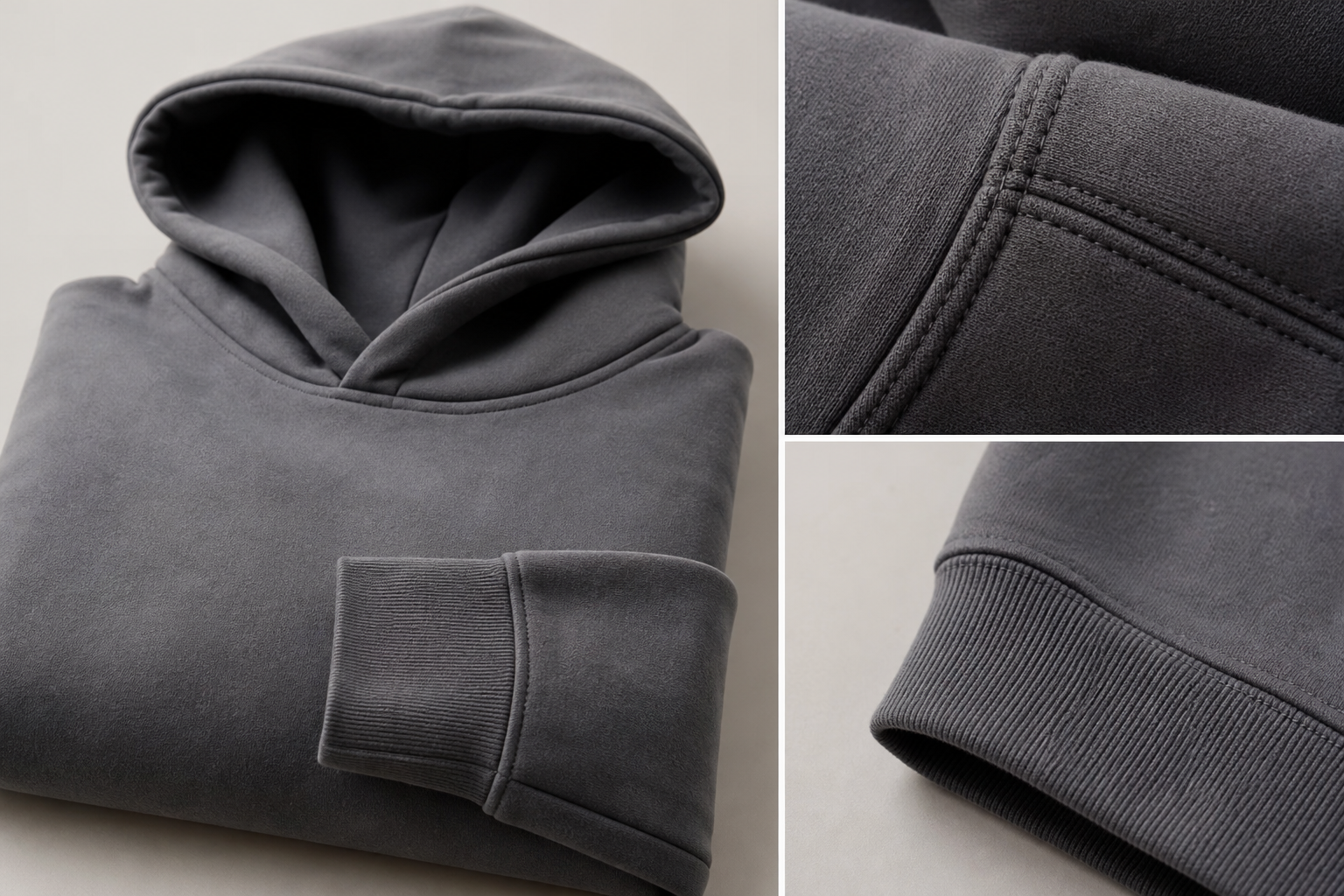
Instead of designing five completely different hoodies, you might start with one well-fitting body and create several variations through different fabrics, graphics, embroidery, or washing techniques.
The same strategy works for T-shirts.
Once you’ve found a fit your customers like, there’s little reason to reinvent it every season.
Many established brands update graphics and colors far more often than they redesign patterns.
From a manufacturing perspective, fewer pattern changes also mean faster sampling and more consistent production.
Build Around One Strong Product
Every successful clothing brand seems to have a product customers immediately associate with the business.
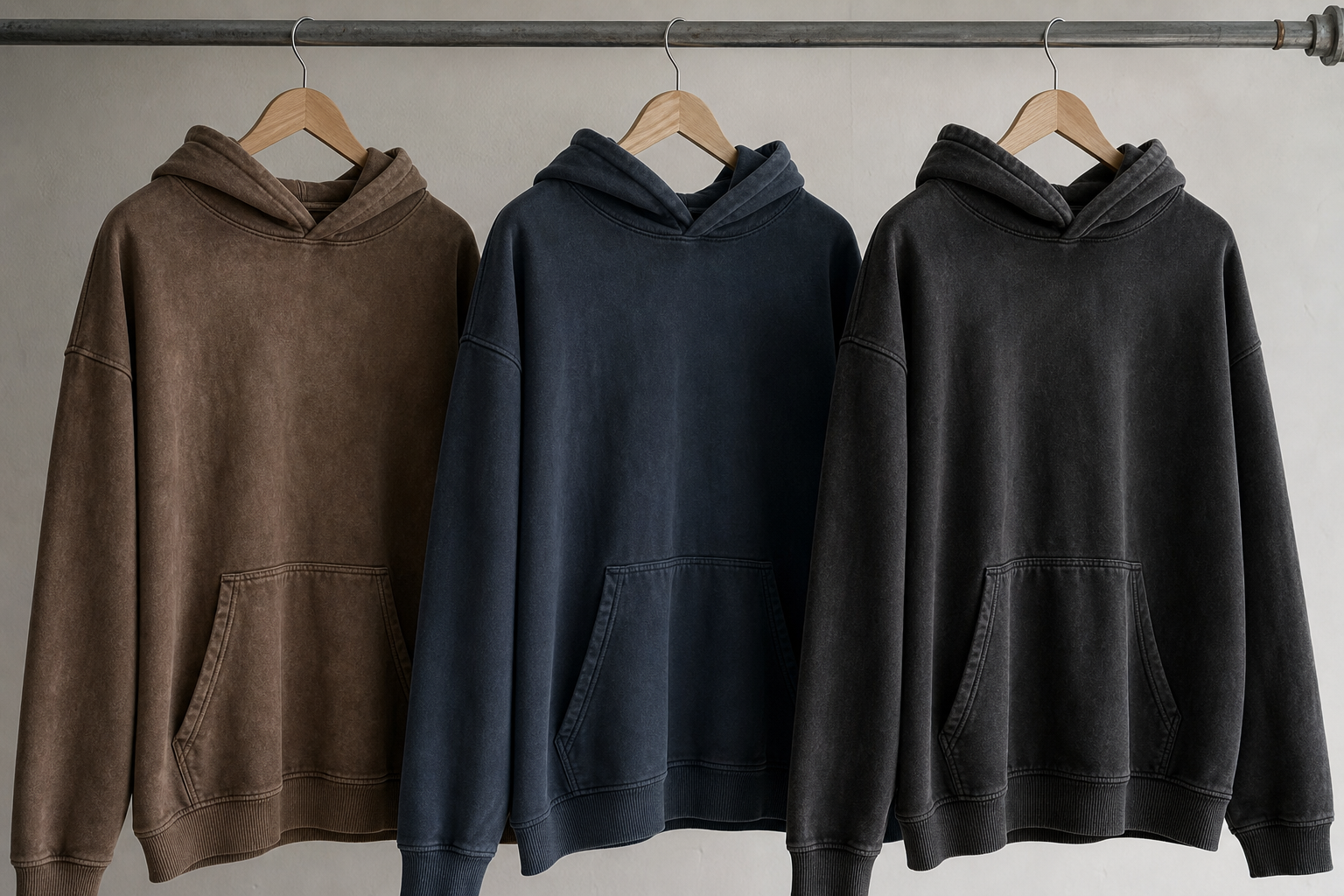
For some brands, it’s the heavyweight hoodie.
For others, it’s premium oversized T-shirts, carpenter pants, or vintage denim jackets.
That product becomes the foundation of the brand.
Trying to become known for everything at once is difficult.
Instead, ask yourself:
If someone remembers only one item from your first collection, what should it be?
Once that product succeeds, expanding into new categories becomes much easier.
Many well-known brands didn’t launch with complete wardrobes.
They became famous for doing one thing exceptionally well before adding more products.
A Small Budget Can Actually Be an Advantage
Having limited resources forces better decision-making.
Large budgets sometimes encourage unnecessary spending because mistakes feel affordable.
Small budgets don’t offer that luxury.
Every fabric choice matters.
Every production decision matters.
Every marketing dollar matters.
Interestingly, many founders who begin with limited budgets develop stronger businesses because they learn to test ideas before scaling them.
Instead of asking, “How many products can we launch?”
Ask, “How can we learn the most while spending the least?”
That shift in thinking often leads to better products and healthier cash flow.
What You Should Focus on During the First Six Months
The first stage of building a clothing brand isn’t about looking like an established company.
It’s about collecting information.
Use this period to understand what customers actually want rather than what you think they want.
Pay attention to comments, returns, sizing feedback, and repeat purchases.
If customers consistently ask for heavier fabric, longer sleeves, or different colors, those insights are more valuable than almost any trend report.
Treat your first collection as research rather than your final destination.
The brands that grow steadily are usually the ones willing to improve with every production run instead of expecting perfection from day one.
Coming Up Next
In Part 2, we’ll look at the financial side of starting a clothing brand.
We’ll cover practical ways to reduce minimum order quantities (MOQ), lower production costs without sacrificing quality, decide where it’s safe to save money, and explain what to look for when choosing your first OEM clothing manufacturer.
These decisions often have a bigger impact on a startup’s success than the designs themselves.
How to Start a Clothing Brand on a Small Budget: An OEM Manufacturer’s Guide (Part 2)
In Part 1, we talked about validating your idea before investing heavily in inventory. Once you’ve decided what to sell, the next challenge is turning that idea into a product without exhausting your budget.
This is where many startups begin to lose control of their costs.
The good news is that manufacturing isn’t only about negotiating a lower price. In our experience, the brands that keep their budgets under control are usually the ones that simplify their products before they ask the factory to reduce the quote.
MOQ Is More Flexible Than Most People Think
One question we hear almost every week is:
“What’s your minimum order quantity?”
It’s an important question, but it’s often asked too early.
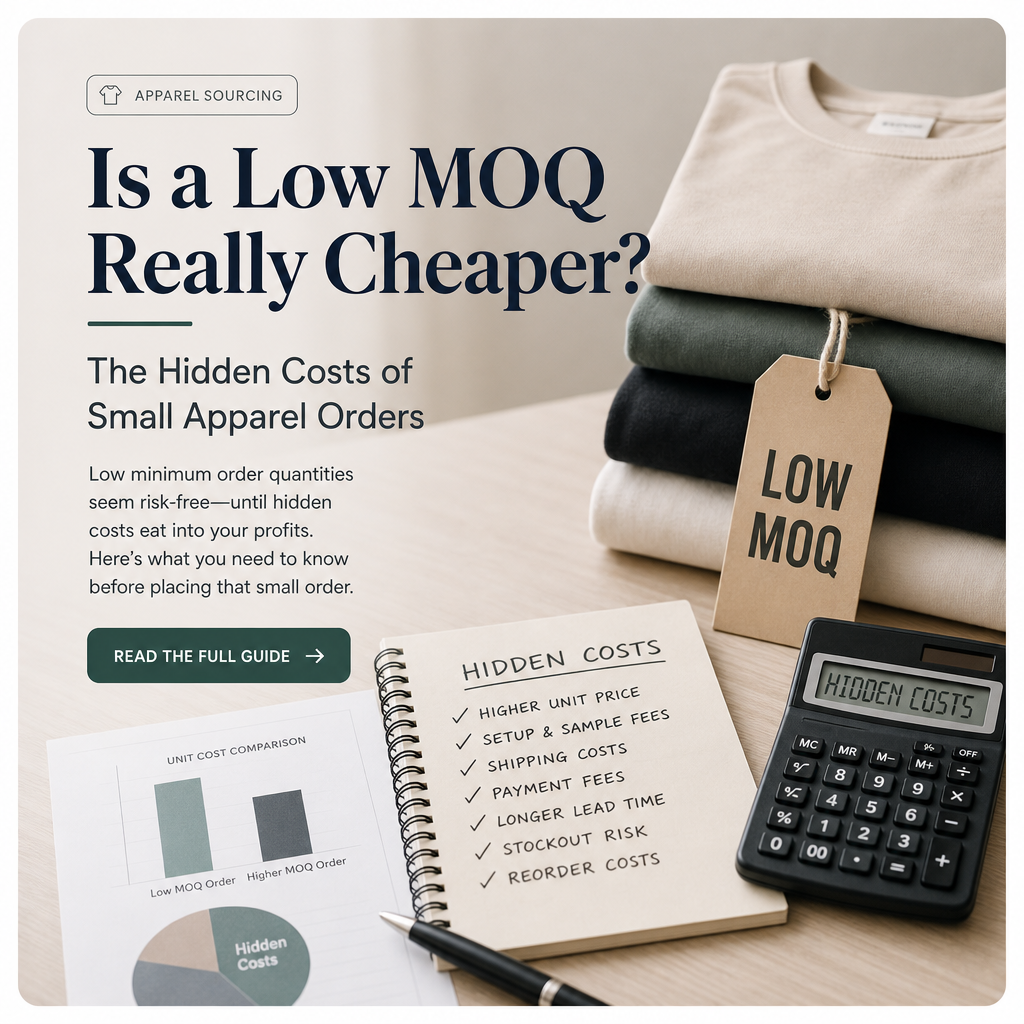
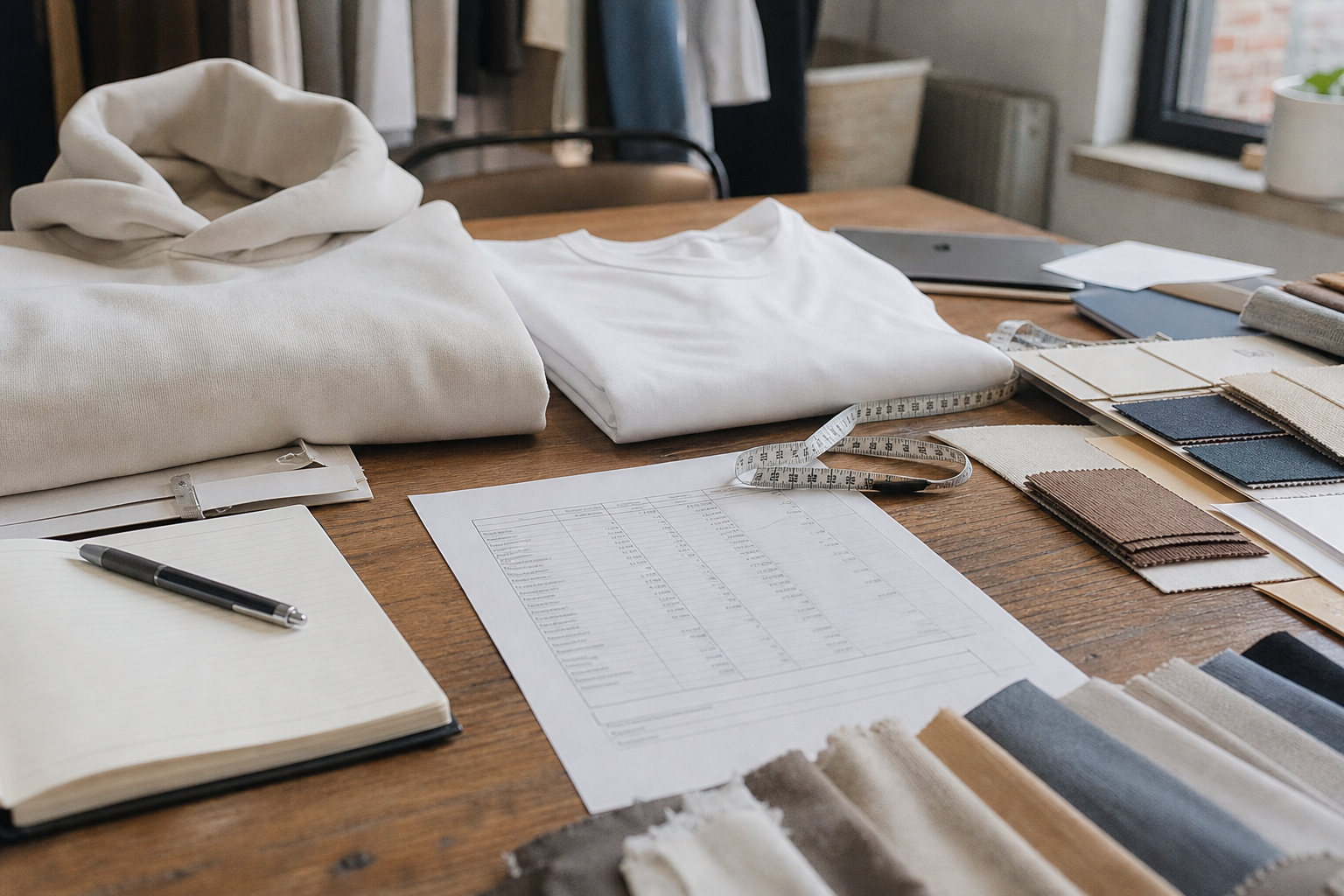
MOQ isn’t just a number set by the factory. It’s influenced by fabric sourcing, dyeing, trims, printing methods, and production efficiency. Change one of those factors, and the MOQ may change as well.
For example, imagine you want to produce 300 hoodies.
If those 300 pieces are split into six colors and six different graphics, production becomes much more complicated. The factory needs multiple fabric colors, additional printing setups, more quality checks, and extra packing work.
Now imagine those same 300 hoodies in one fabric color with two print variations.
The production process becomes much simpler, and many factories will be more willing to work with smaller quantities.
Instead of asking how to reduce MOQ, ask how to simplify production.
The answer is often the same.
Build a Collection That Shares Materials
One of the easiest ways to save money is also one of the most overlooked.
Many startups design every garment as if it belongs to a different brand.
One hoodie uses 500 GSM French terry.
Another uses brushed fleece.
The sweatpants use a different rib.
The T-shirt uses another fabric supplier.
Every new material increases purchasing complexity.
Instead, think in systems.
A heavyweight hoodie and matching sweatpants can often share the same fabric.
The rib cuffs can be identical.
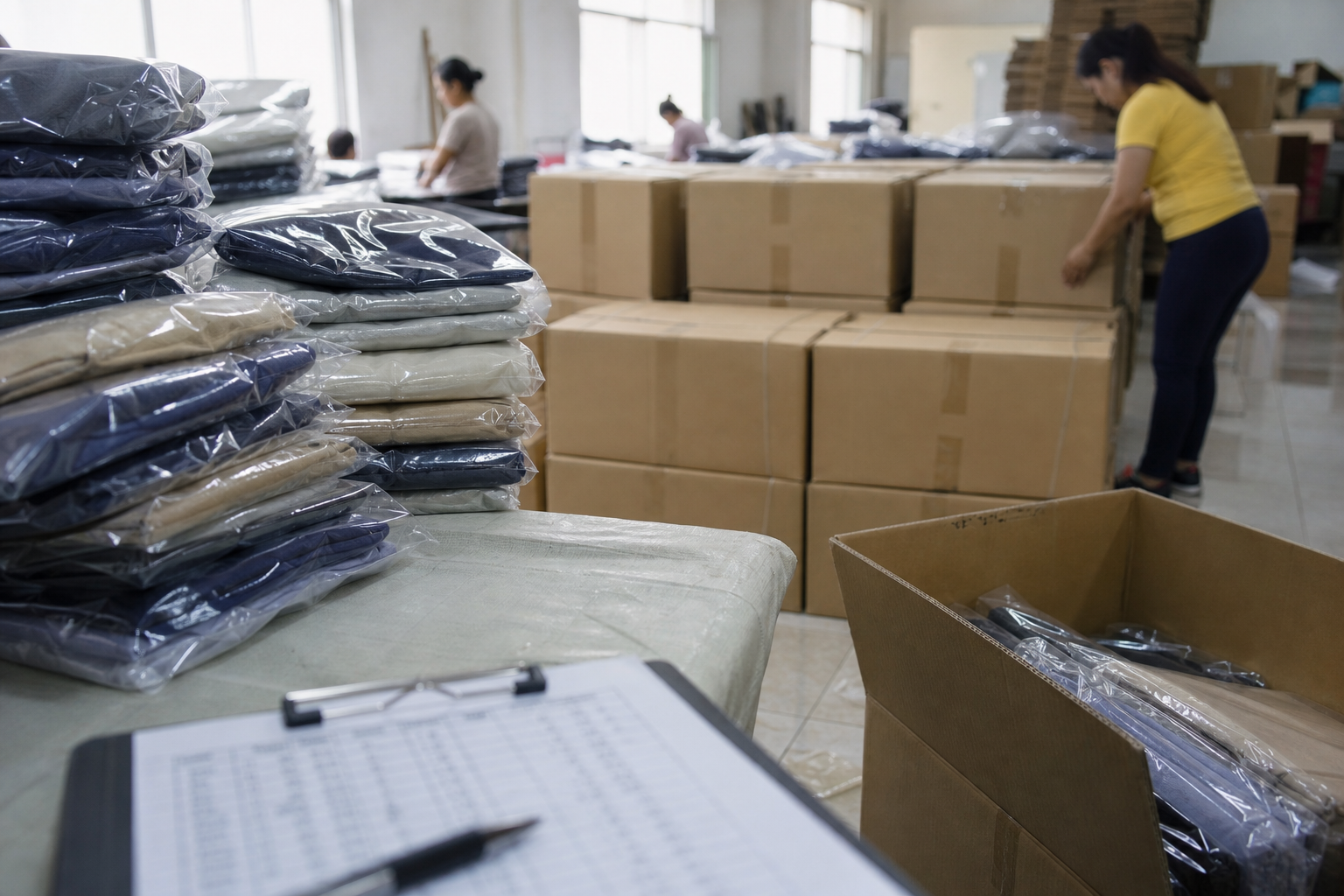
Drawstrings, woven labels, hangtags, care labels, and packaging can all remain consistent across the collection.
Factories also prefer this approach because purchasing larger quantities of fewer materials is easier than managing dozens of small orders.
The result is lower material costs, fewer sourcing delays, and a smoother production process.
More Colors Don’t Always Mean More Sales
Choosing colors is one of the most enjoyable parts of developing a collection.
It’s also where many new brands accidentally increase their costs.
Every additional color usually means more fabric to source, more inventory to manage, and more uncertainty about which color customers will actually buy.
If you’re launching your first collection, consider starting with a focused color palette.
Black, washed black, grey, cream, and navy continue to perform well across many categories because they are easy to style and less dependent on seasonal trends.
Once you understand which products sell consistently, expanding into additional colors becomes much less risky.
It’s easier to add colors to a successful product than to clear inventory from colors that never gained traction.
Expensive Details Don’t Always Add Value
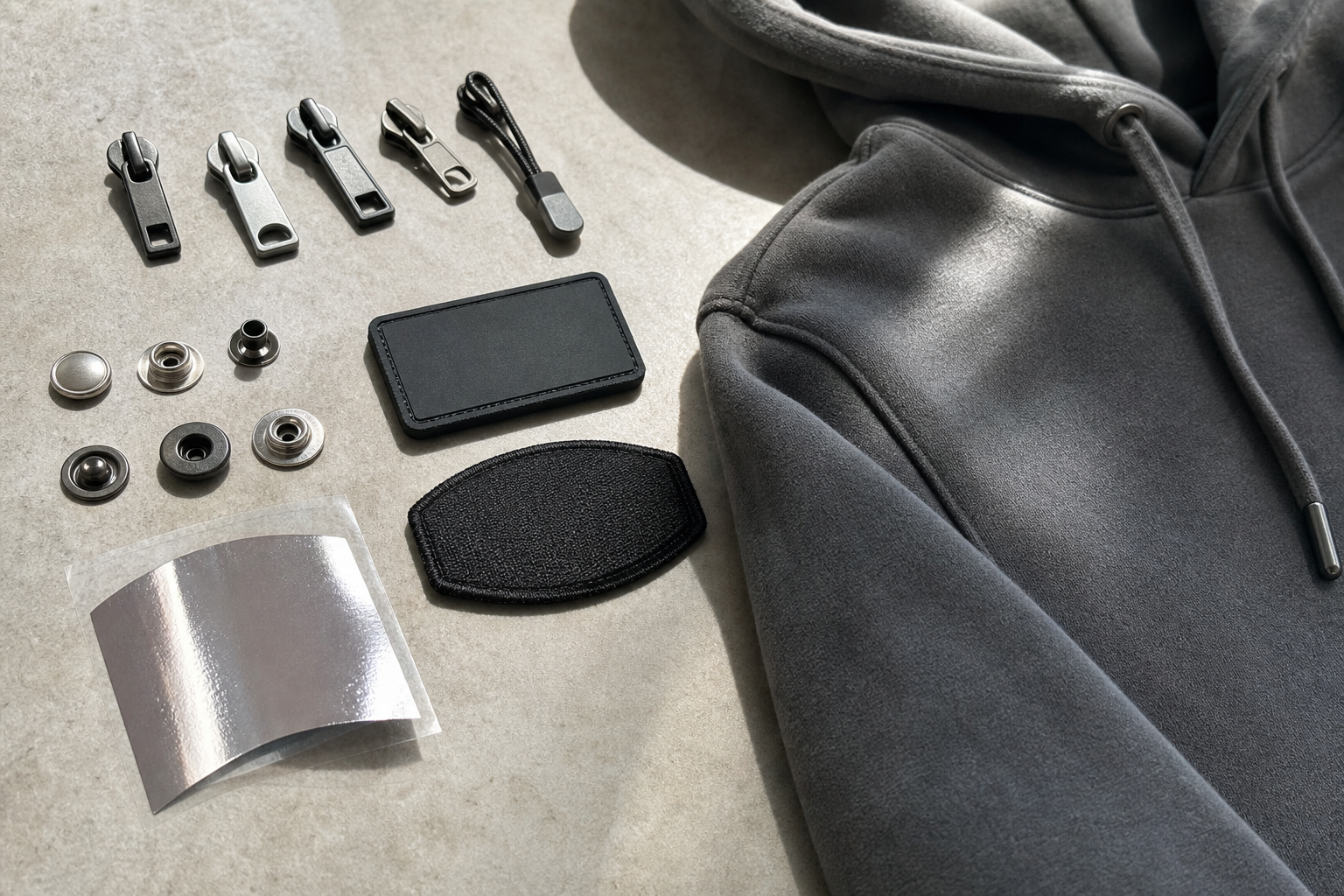
Fashion often celebrates detail, but customers don’t always notice every detail that increases production costs.
We’ve seen startups request custom zipper pulls, embossed metal hardware, woven sleeve labels, silicone patches, foil printing, embroidery, and premium packaging—all for their first production run.
Individually, none of these additions seem expensive.
Together, they can increase manufacturing costs by several dollars per garment.
Ask yourself one question before approving every extra feature:
“Will this detail influence someone’s decision to buy?”
If the answer is uncertain, it may be worth postponing until later collections.
Customers usually remember the fit, fabric, and comfort long before they remember the custom zipper.
Where You Can Save Money
Cutting costs doesn’t have to mean lowering quality.
Sometimes it’s simply about making smarter choices.
For example, standard Pantone colors are usually more economical than developing custom dye formulas.
Screen printing is generally more cost-effective than combining embroidery, puff printing, and silicone logos on the same garment.
Using stock fabrics that the factory already purchases regularly can also reduce sourcing costs and shorten lead times.
Packaging offers another opportunity.
Premium gift boxes may look impressive, but for many online brands, customers care far more about what’s inside the package than the box itself.
Simple, clean packaging often performs just as well while keeping shipping costs lower.
The goal isn’t to make the product cheaper.
It’s to spend money where customers actually notice it.
Where You Should Never Cut Costs
While some expenses can be reduced, others should be protected from the beginning.
Fabric quality is one of them.
A customer may forgive simple packaging.
They rarely forgive a hoodie that shrinks after one wash.
Pattern development is another area worth investing in.
Even an expensive fabric won’t compensate for poor fit.
If sleeves twist, shoulders sit incorrectly, or sizing is inconsistent, customers are unlikely to purchase again.
Quality control should also remain a priority.
Checking garments before shipment costs far less than replacing defective products after they’ve reached your warehouse.
The same applies to testing.
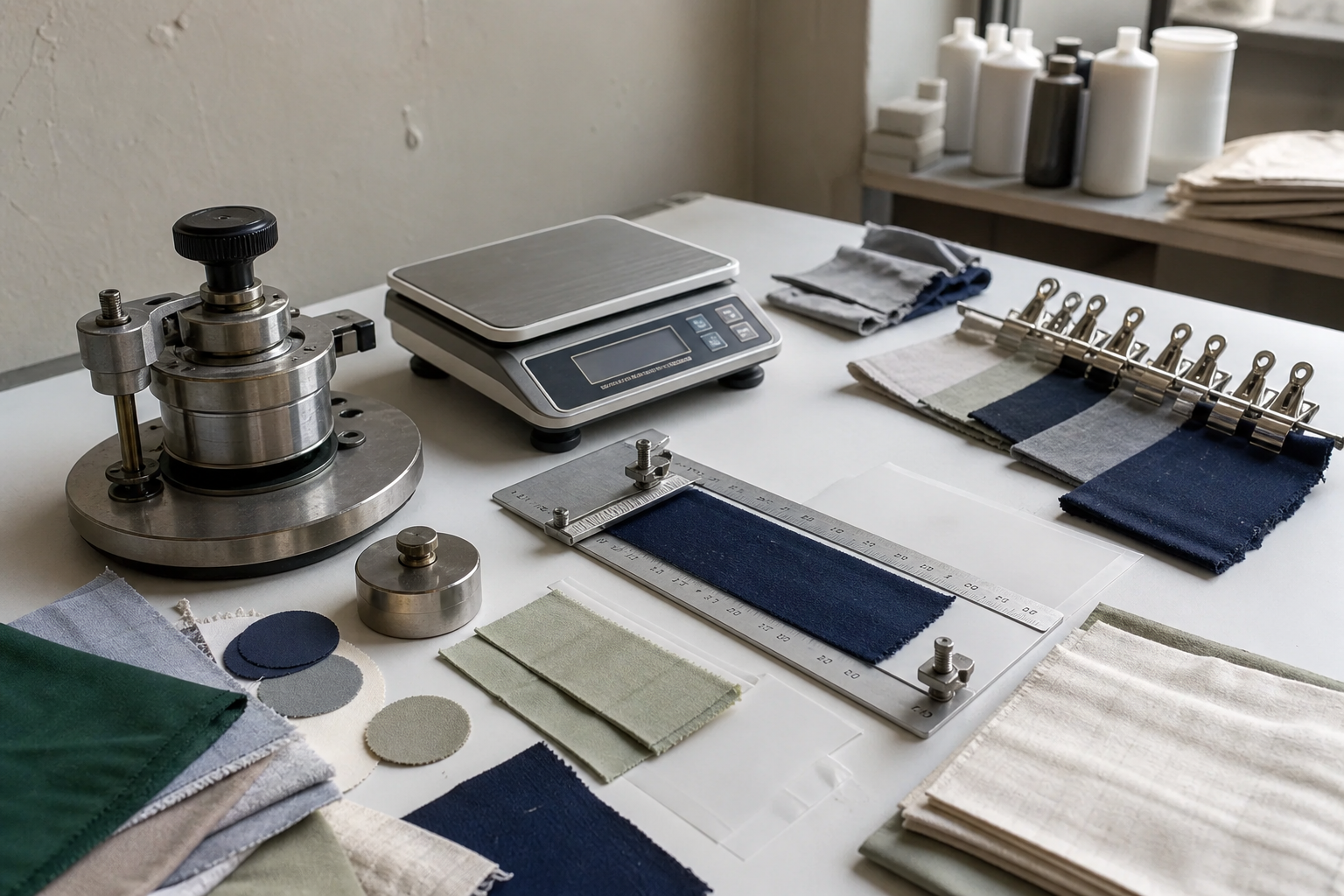
Shrinkage, colorfastness, fabric weight, and print durability should all be confirmed before bulk production begins—not after customers start leaving reviews.
Saving money today shouldn’t create bigger costs tomorrow.
Price Isn’t the Best Way to Compare Factories
For many startups, receiving quotations from different suppliers feels like shopping for the lowest number.
In reality, two factories offering the same price may provide completely different production experiences.
When comparing suppliers, look beyond the quotation.
How quickly do they answer questions?
Do they explain technical issues clearly?
Are they willing to suggest alternatives that reduce costs?
Can they identify potential production problems before sampling begins?
These conversations often reveal more about a supplier than the quotation itself.
Manufacturing is rarely perfect.
Problems happen.
The difference lies in how quickly they’re identified and solved.
A factory that communicates openly usually saves both time and money over the long term.
Samples Are Part of the Development Process
Some founders become frustrated when the first sample isn’t exactly what they imagined.
That reaction is understandable, but sampling isn’t a pass-or-fail test.
It’s a conversation between your idea and the production process.
The first sample answers questions.
Is the fabric weight right?
Does the fit match your target customer?
Should the neck opening be wider?
Would the logo look better embroidered instead of printed?
Each revision brings the product closer to its final version.
Trying to avoid sampling revisions often creates larger problems during bulk production.
Experienced brands expect adjustments.
That’s how products improve.
A Good Factory Will Challenge You Sometimes
Many people assume the best manufacturer simply says “yes” to every request.
Our experience has been the opposite.
Sometimes customers request fabric that’s unsuitable for a particular wash.
Sometimes embroidery is too detailed for the selected fabric.
Sometimes the artwork won’t print as expected.
A responsible manufacturer should point out these issues before production begins.
That isn’t resistance.
It’s part of the development process.
A supplier who asks questions is often trying to prevent expensive mistakes later.
Build Relationships, Not Transactions
One production order rarely determines the future of a clothing brand.
Successful collections are usually built over multiple seasons.
The factory learns your quality expectations.
You become familiar with their production process.
Communication becomes faster because both sides understand how the other works.
Over time, this relationship often leads to better pricing, shorter development cycles, and fewer production issues.
Changing suppliers every season to save a few cents may reduce costs in the short term, but it also means starting the learning process from the beginning each time.
For growing brands, consistency is often worth more than the lowest quotation.
Coming Up Next
In Part 3, we’ll move from manufacturing to product development.
We’ll cover how to prepare your first Tech Pack, what information factories actually need before sampling, common mistakes during sample development, and how to move from your first sketch to bulk production without unnecessary delays.
Understanding this process can save weeks of communication and help your manufacturer deliver exactly what you have in mind.
How to Start a Clothing Brand on a Small Budget: An OEM Manufacturer’s Guide (Part 3)
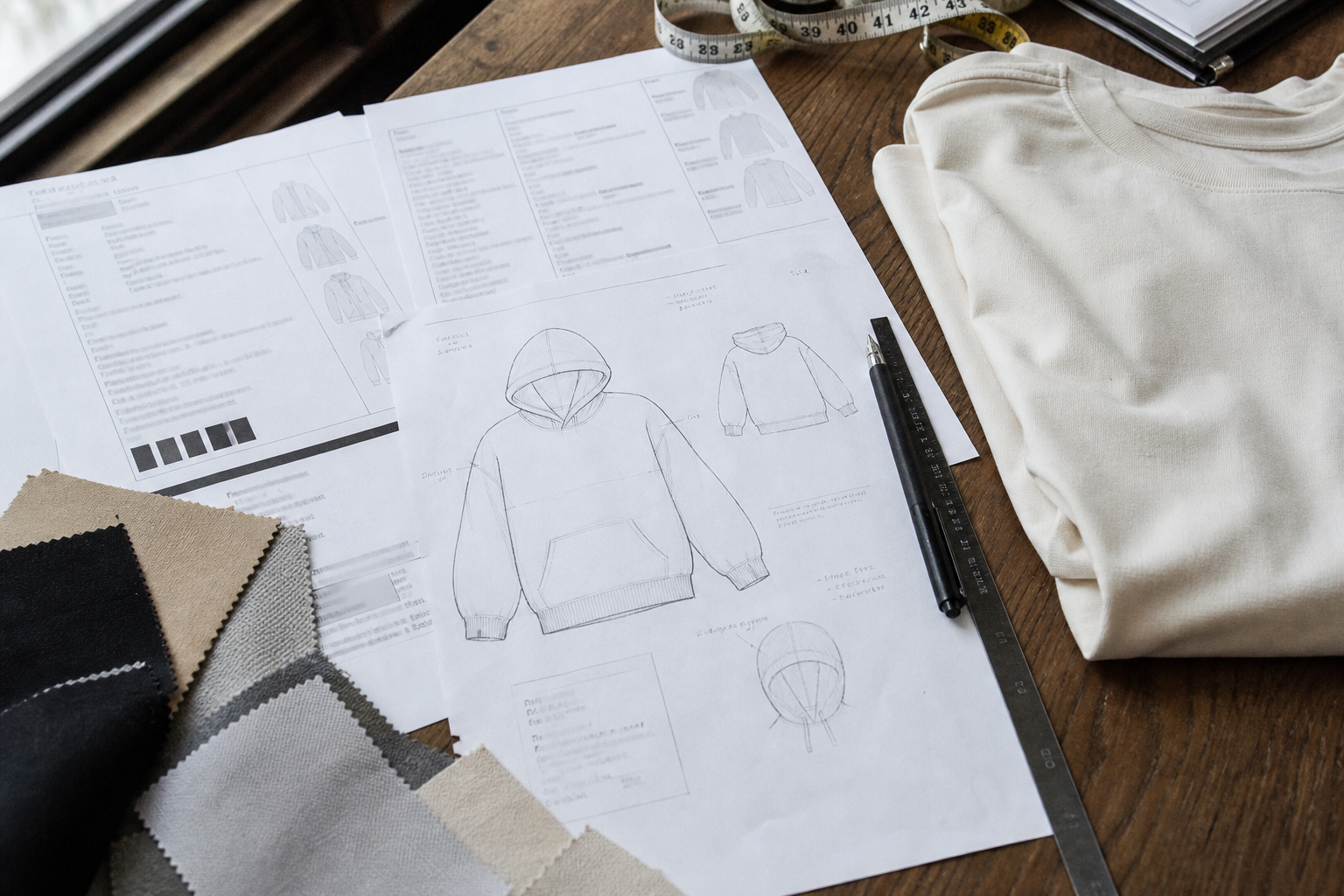
By the time you contact a clothing manufacturer, you should have a clear idea of what you’re trying to build. It doesn’t have to be perfect, but the more information you can provide, the smoother the development process will be.
One of the biggest misconceptions among first-time brand owners is that factories can “figure it out” from a few inspiration photos. While experienced manufacturers can fill in some gaps, guessing usually leads to extra sampling, higher costs, and longer lead times.
The more clearly you communicate your product, the faster it moves from an idea into production.
You Don’t Need a Perfect Tech Pack
The term Tech Pack sounds intimidating, especially if you’ve never developed apparel before.
Many startups assume they need a professionally designed technical document before approaching a factory. In reality, most manufacturers don’t expect first-time founders to create a perfect Tech Pack.
What they do need is enough information to understand your product.
A simple document containing the following is often enough to begin development:
- Clear front and back reference images
- Logo artwork (AI, PDF, or vector format)
- Fabric preference, if known
- Size chart or target measurements
- Print or embroidery placement
- Color references (Pantone if available)
- Label requirements
- Packaging expectations
If you don’t know every detail, that’s okay. An experienced factory can usually help fill in the missing pieces.
A good Tech Pack isn’t about making the document look professional—it’s about reducing misunderstandings.
Reference Photos Save More Time Than Long Emails
Sometimes a customer spends twenty minutes describing a hoodie in an email.
One reference photo explains the same idea in five seconds.
Whenever possible, collect examples of products you like.
Maybe it’s the oversized fit from one brand.
The neckline from another.
The pocket shape from a third.
The washing effect from a fourth.
Factories don’t copy other brands’ products, but reference images help explain the style you’re trying to achieve.
Think of them as part of the conversation rather than final instructions.
Don’t Guess Fabric Weight
One of the most common questions new brands ask is:
“Should I use 280 GSM or 400 GSM?”
There’s no universal answer.
Fabric weight should match the purpose of the product.
A lightweight summer T-shirt feels completely different from a heavyweight oversized streetwear tee.
The same applies to hoodies.
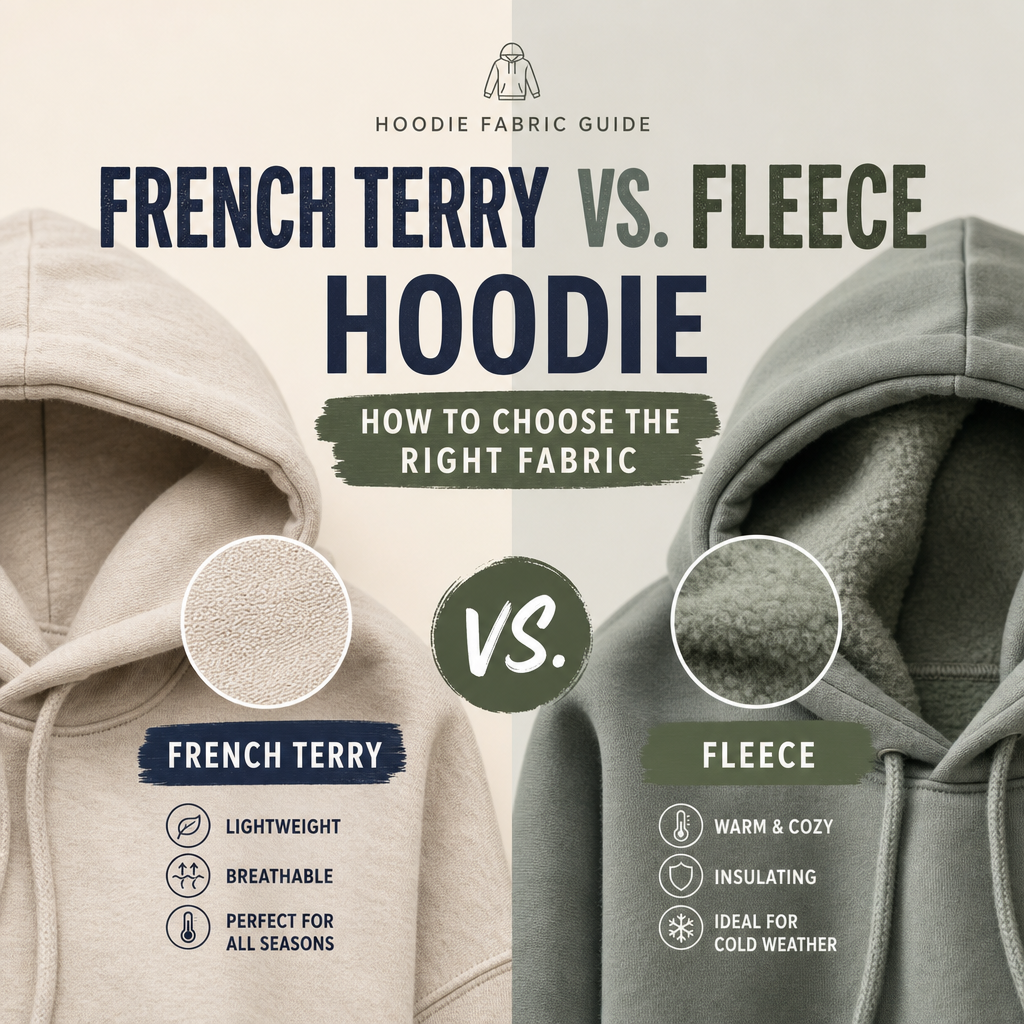
Some brands prefer soft brushed fleece.
Others want dense French terry with a structured silhouette.
If you’ve only seen fabrics online, ask your supplier to send swatches before sampling.
Feeling the fabric in person often changes your decision.
A sample book costs very little compared with ordering hundreds of garments made from the wrong material.
Fit Matters More Than Most First-Time Founders Expect
Customers may notice the graphic first.
They remember the fit.
A hoodie that’s slightly too short or a T-shirt with an uncomfortable neckline can affect repeat purchases more than the design itself.
This is one reason many successful brands spend several sampling rounds refining measurements before approving production.
Small adjustments often make a noticeable difference.
A longer sleeve.
A lower shoulder.
A wider body.
A higher collar.
None of these changes seem dramatic on paper, but together they shape how the garment feels when someone wears it.
Don’t rush this stage.
Once production begins, changing the pattern becomes much more expensive.
Expect More Than One Sample
Many first-time buyers hope the first sample will be production-ready.
Sometimes that happens.
More often, it doesn’t.
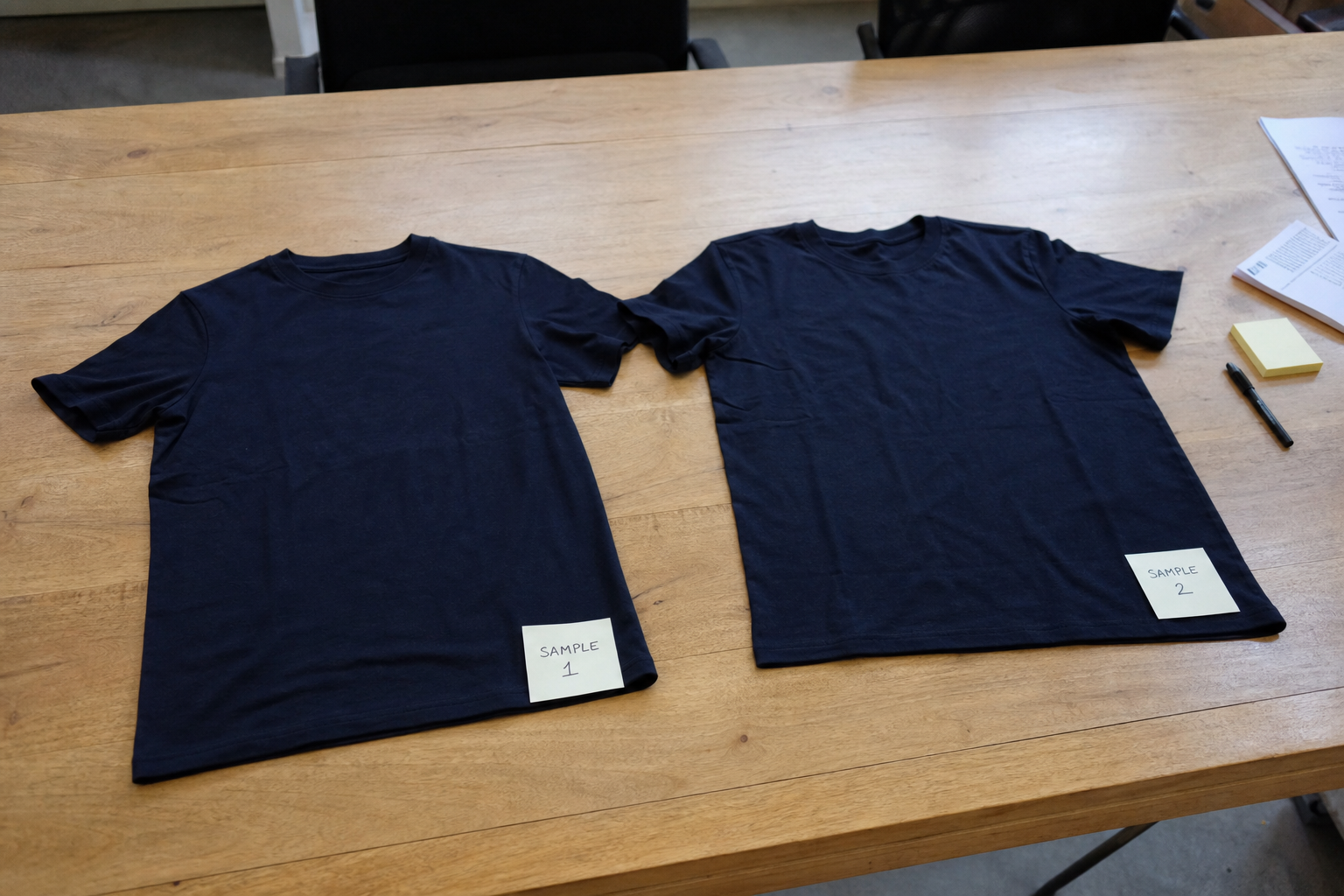
Professional product development usually involves several revisions.
The first sample confirms construction.
The second improves fit.
The third adjusts details such as printing, embroidery, or washing.
This isn’t a sign that something has gone wrong.
It’s simply how apparel development works.
Trying to skip revisions often creates much larger problems during bulk production.
Think of sampling as an investment rather than an expense.
Every improvement made before production reduces the chance of costly mistakes later.
Communicate Changes Clearly
After receiving a sample, avoid sending vague comments like:
“It doesn’t feel right.”
Instead, explain exactly what you’d like to change.
For example:
- Increase body length by 2 cm.
- Reduce neck width slightly.
- Make the print 15% larger.
- Move the embroidery 1 cm higher.
- Use a softer rib cuff.
- Adjust the wash to create less fading.
Specific feedback saves time for everyone involved.
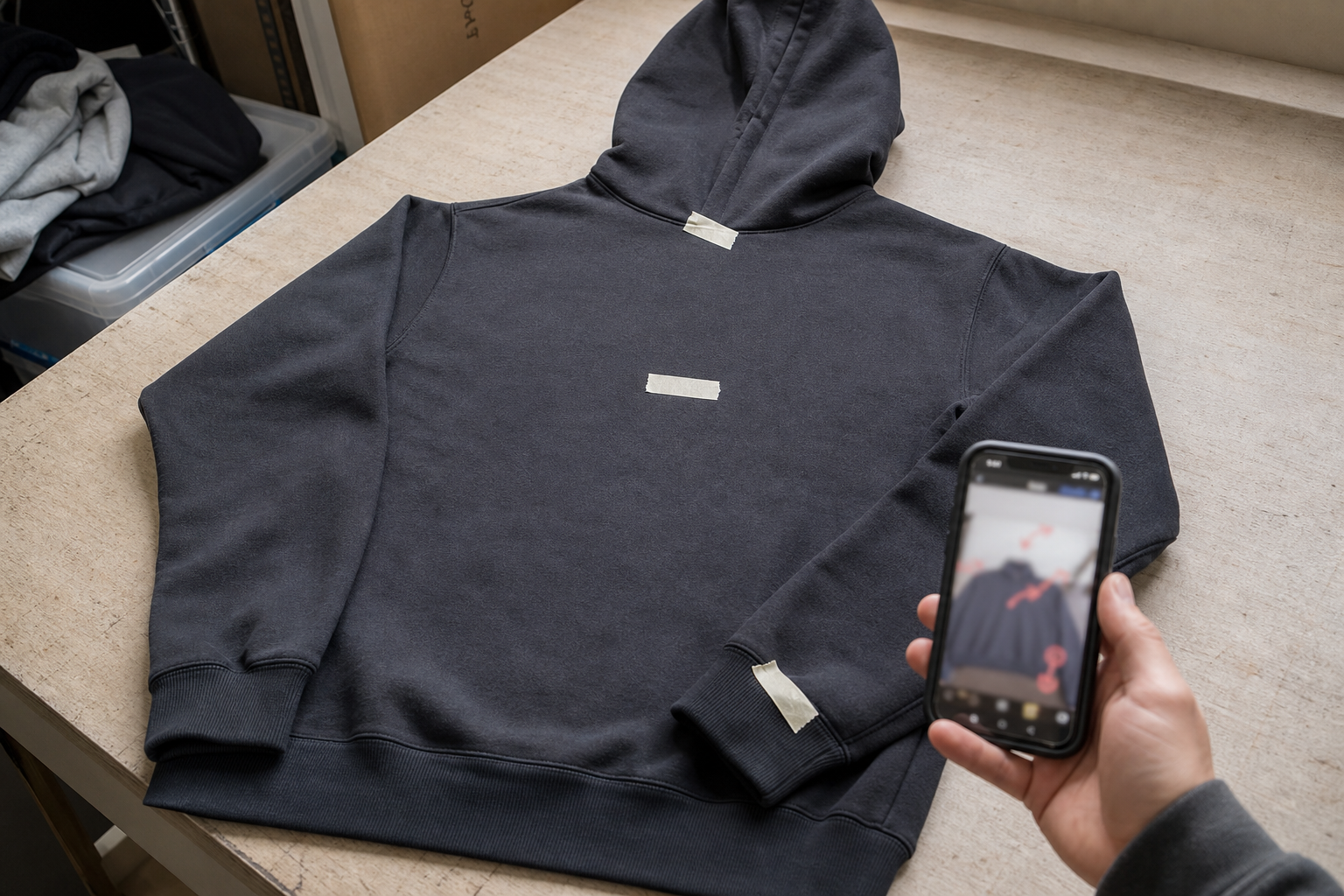
Many factories also appreciate photos with annotations because they eliminate uncertainty.
The clearer the revision request, the faster the next sample can be completed.
Understand the Production Timeline
Many startups underestimate how long apparel production actually takes.
A simple hoodie isn’t manufactured overnight.
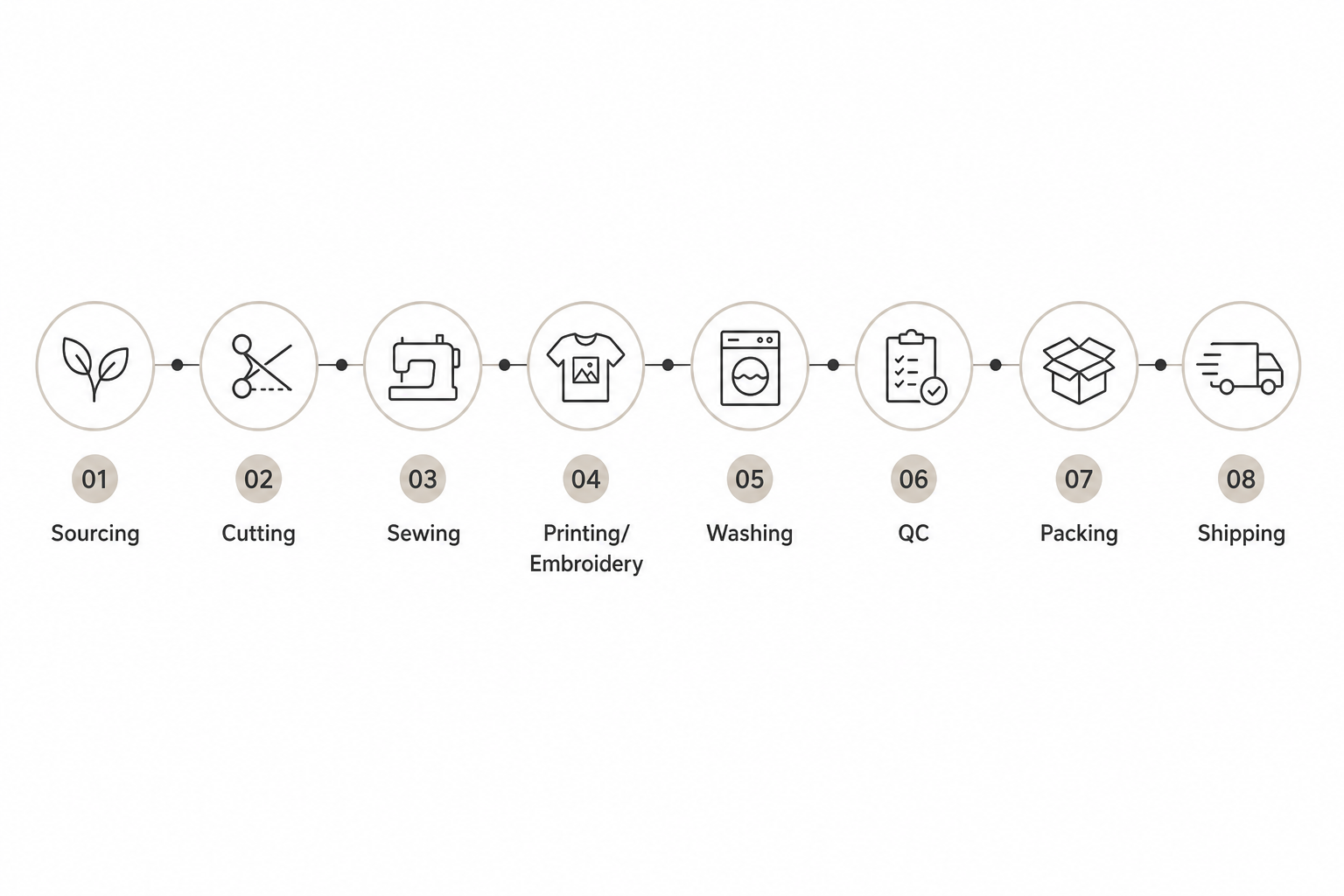
First comes material sourcing.
Then fabric knitting or purchasing.
After that, dyeing, cutting, sewing, printing, embroidery, washing, finishing, quality inspection, packing, and shipping.
Each stage depends on the one before it.
If sampling takes longer than expected, production usually moves back as well.
This is why experienced brands begin seasonal development months before launch.
Rushing the factory at the end rarely saves time.
Starting earlier usually does.
Don’t Ignore Quality Inspection
When people think about quality control, they often imagine inspectors checking finished garments before shipment.
Quality actually begins much earlier.
Fabric should be inspected before cutting.
Printing should be checked before sewing is completed.
Measurements should be verified during production—not only after every garment has been packed.
Finding a problem at the end of production is much more expensive than finding it at the beginning.
Even if you’re placing a relatively small order, ask your supplier about their quality control process.
A factory that explains how inspections are carried out usually has a more organized production system.
Small Details Become Big Problems Later
Some of the biggest production delays come from surprisingly small issues.
A missing barcode.
An incorrect care label.
A packaging instruction that wasn’t confirmed.
A shipping mark printed incorrectly.
These details seem minor when developing a product, but they become expensive once thousands of garments are packed and ready to leave the factory.
Before approving production, create a simple checklist.
Confirm labels.
Confirm packaging.
Confirm carton markings.
Confirm folding method.
Confirm polybag requirements.
It takes only a few minutes and can prevent days of unnecessary rework.
Plan Your First Production Conservatively
One mistake many new brands make is assuming that every size and every color will sell equally well.
Reality is rarely that balanced.
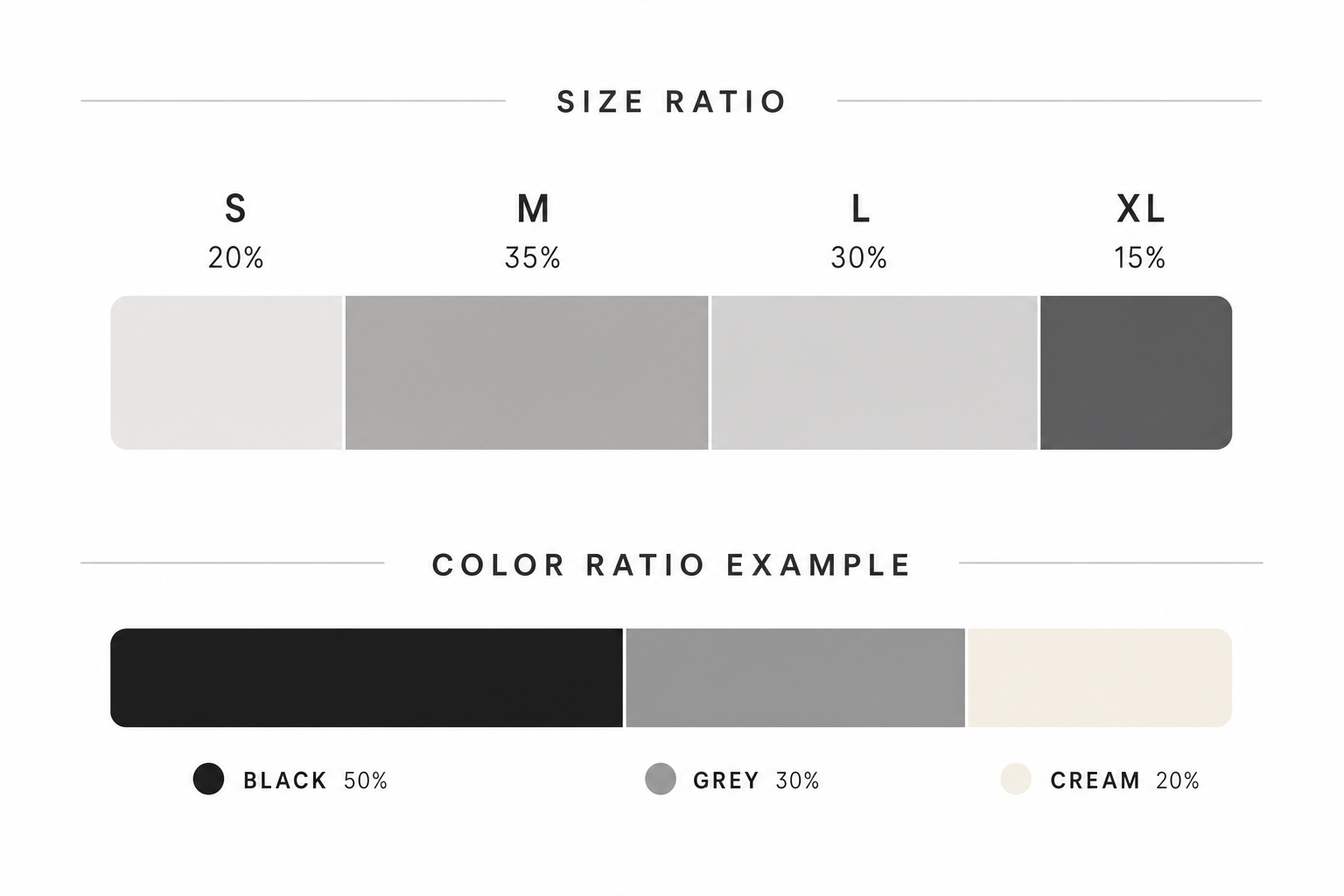
Medium and large sizes often outperform extreme sizes.
Certain colors become best sellers while others move much more slowly.
Until you have sales data, avoid spreading your inventory too evenly.
Instead, base your size ratio on your target customer and produce fewer experimental colors.
Your second production run will be much more accurate because you’ll have real customer feedback instead of assumptions.
Production Doesn’t End When the Goods Leave the Factory
Receiving your shipment isn’t the finish line.
It’s the beginning of the next stage.
Pay attention to customer reviews.
Read comments carefully.
Notice which products are reordered and which ones aren’t.
Did customers ask for a heavier fabric?
A longer T-shirt?
A wider hoodie?
Did one color sell out first?
Every order gives you information that should influence the next collection.
The brands that improve consistently are usually the ones that listen closely after launch.
Coming Up Next
In Part 4, we’ll look beyond the first production order.
We’ll discuss how to build long-term relationships with manufacturers, when it makes sense to expand your product range, why many startups choose OEM production in China, and the habits we’ve seen in brands that grow steadily from one collection to the next.
By this stage, you’ll have a complete roadmap—from your first idea to launching your own clothing brand with a budget that stays under control.
How to Start a Clothing Brand on a Small Budget: An OEM Manufacturer’s Guide (Part 4)
If you’ve reached this stage, you’ve already done what many new brands never do. You’ve validated an idea, developed samples, selected a manufacturing partner, and placed your first production order.
The next challenge is no longer launching a brand. It’s learning how to grow one without losing control of quality, cash flow, or your original vision.
Growth doesn’t usually happen through one viral product. More often, it comes from making good decisions consistently over time.
Your First Collection Is Just the Beginning
It’s tempting to think about the second collection before the first one has even shipped.
New ideas keep coming. Customers ask for different colors. Social media introduces another trend every week.
The problem is that adding products too quickly can stretch both your budget and your supply chain.
Instead of asking, “What should we launch next?”, ask a different question:
“What did customers already prove they want?”
If one hoodie accounts for half of your sales, that product has earned the right to expand. Maybe it needs two new colors. Maybe customers have been asking for matching sweatpants. Maybe the same fit can be adapted into a zip hoodie.
Growth based on real sales data is usually much safer than growth based on assumptions.
Build a Product Line, Not Just Individual Products
One of the biggest differences between established brands and new brands is how they think about product development.
New brands often create one product at a time.
Experienced brands build systems.
A successful oversized T-shirt can become the foundation for an entire category. Once the fit is proven, future collections may only require new graphics, seasonal colors, or updated fabrics.
The same applies to hoodies.
Instead of developing five completely different silhouettes every season, many brands continue refining one fit that customers already know and trust.
This approach reduces development costs, improves production consistency, and makes inventory planning much easier.
Customers also appreciate familiarity. When they find a fit they like, they often return to buy it again in different colors.
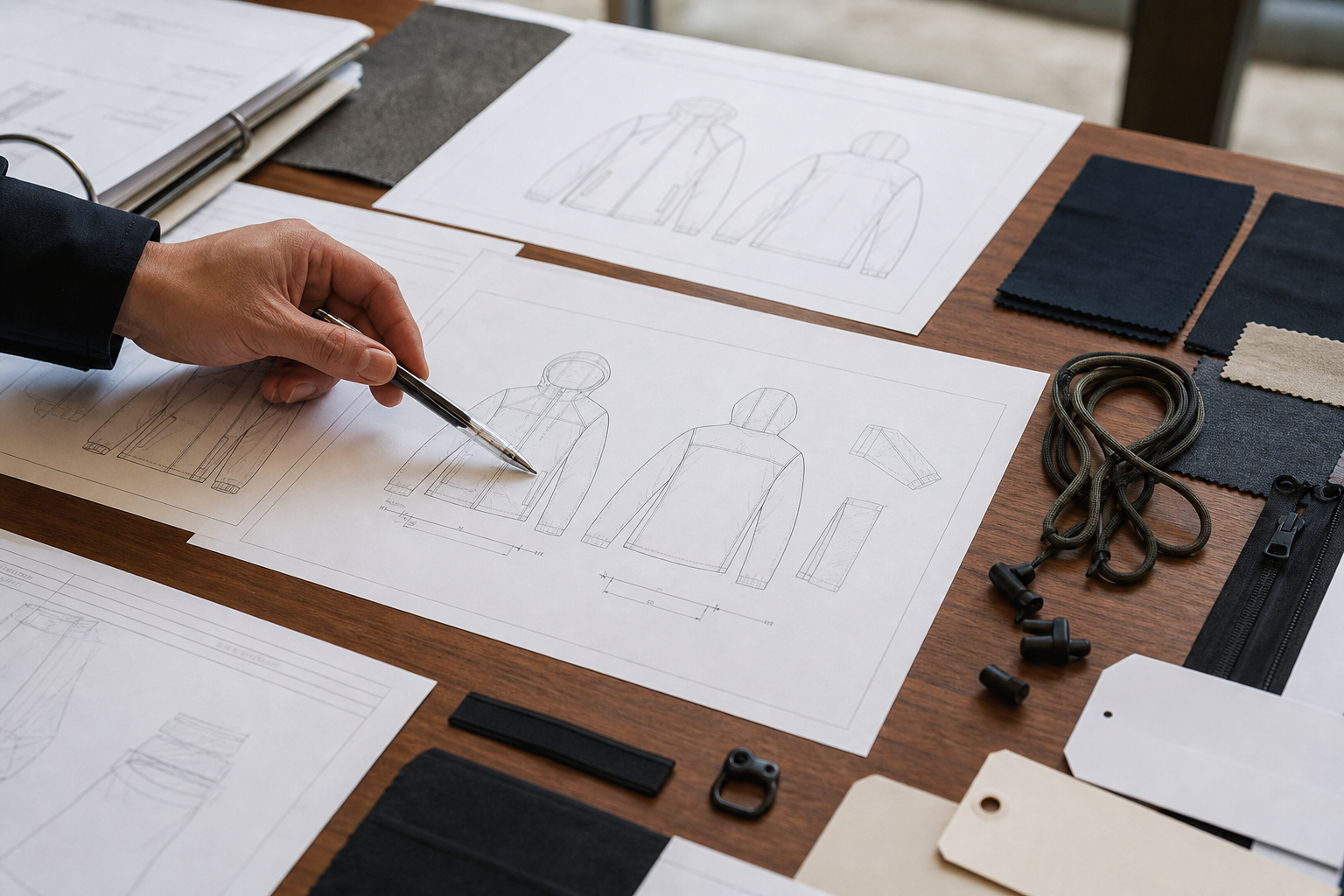
Treat Your Manufacturer as a Development Partner
Many startups only contact their factory when they need a quotation.
That limits what the relationship can become.
An experienced manufacturer sees hundreds of products every year. They understand which fabrics perform well, which trims are difficult to source, which printing techniques work best on different materials, and which production methods help control costs.
Use that knowledge.
Ask questions early.
Discuss ideas before finalizing your designs.
Sometimes a small adjustment—changing a rib construction, simplifying an embroidery design, or selecting a different fabric width—can reduce production costs without affecting the final product.
Good communication before sampling usually saves much more time than solving problems after production begins.
Price Matters, But Reliability Matters More
Every buyer wants competitive pricing.
That’s understandable.
But after years of working with apparel brands, we’ve noticed that growing businesses eventually ask different questions.
Can the factory deliver on time?
Will the quality stay consistent six months from now?
How quickly do they respond when there’s a problem?
Can they support new product development?
Late deliveries cost money.
Inconsistent sizing costs money.
Poor communication costs money.
A supplier offering the lowest quotation isn’t always the most economical choice once these factors are taken into account.
Long-term business is built on consistency, not just pricing.
Why So Many Startups Manufacture in China
Despite changes in the global supply chain, China remains one of the world’s largest apparel manufacturing centers.
The reason goes beyond production capacity.
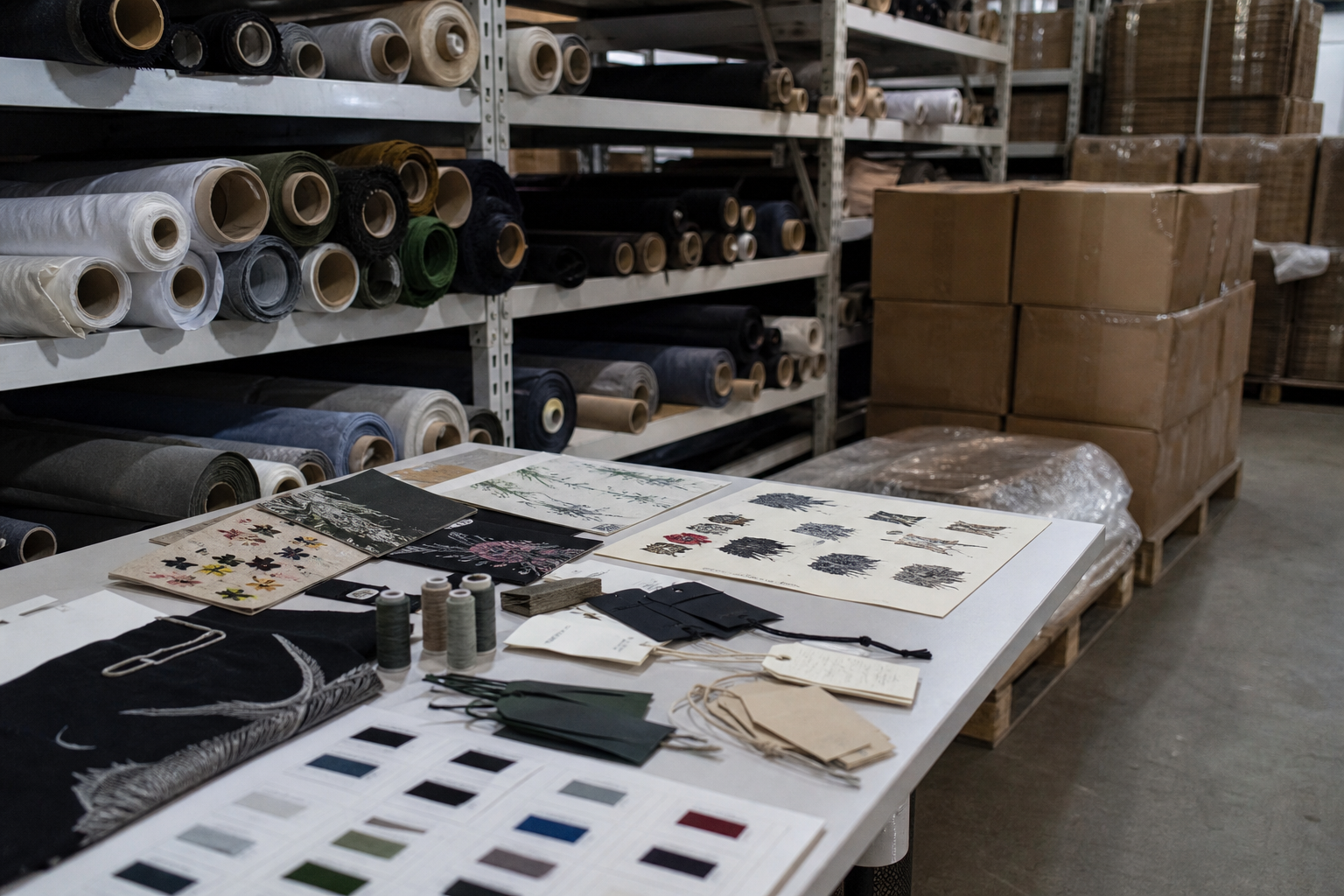
Over the years, a complete manufacturing ecosystem has developed around the industry. Fabric mills, printing factories, embroidery specialists, washing plants, trim suppliers, packaging manufacturers, and logistics providers often operate within the same region.
For emerging brands, this means shorter development cycles and more production options.
If your hoodie requires puff printing, custom woven labels, enzyme washing, and branded packaging, those services can often be coordinated through one manufacturing partner instead of several separate suppliers.
That level of integration helps simplify product development, especially for brands with limited resources.
Don’t Chase Every Trend
Fashion changes quickly.
Some trends disappear within months.
Others reshape the market for years.
The challenge for a young brand is deciding which trends deserve attention.
It’s easy to feel pressure to release oversized silhouettes one season, technical sportswear the next, and vintage washed garments after that.
But customers usually remember brands for consistency.
Your identity becomes much stronger when people immediately recognize your products, even without seeing the logo.
That doesn’t mean ignoring trends.
It means adapting them in a way that still feels true to your brand.
A clear identity often outlasts short-term fashion cycles.
Cash Flow Is More Important Than Revenue
Many new founders celebrate their first large order.
The excitement is understandable.
But revenue and profit are not the same thing.
A rapidly growing brand can still run into financial trouble if too much cash is tied up in inventory.
This is why experienced buyers pay close attention to stock levels.
Ordering more than the market demands creates pressure to discount products later.
Ordering too little may lead to missed sales opportunities.
Neither situation is ideal.
Finding the right balance takes time, but careful planning usually performs better than aggressive expansion.
Growth should be sustainable, not rushed.
Keep Learning from Every Production Run
Every collection teaches something.
Maybe customers preferred the heavier fabric.
Maybe a different neckline sold better.
Perhaps embroidery performed better than screen printing.
Or maybe one color quietly became the bestseller while another barely moved.
These details are easy to overlook, but over time they become valuable data.
Many successful brands don’t dramatically reinvent themselves every season.
Instead, they make dozens of small improvements.
A better fit.
A softer fabric.
Cleaner packaging.
More consistent sizing.
Those small refinements add up much faster than most people expect.
A Few Lessons We’ve Learned from Working with Startups
Looking back at the brands we’ve worked with over the years, a few patterns appear again and again.
The companies that succeed are rarely the ones with the biggest launch budgets.
They’re usually the ones that stay focused.
They don’t rush into producing dozens of products.
They ask questions during development instead of assuming everything will work perfectly.
They treat sampling as part of the creative process, not as an inconvenience.
Most importantly, they keep improving after every production run instead of chasing perfection before they’ve even entered the market.
Launching a clothing brand isn’t a single event.
It’s a series of decisions that gradually shape the business.
The more carefully those decisions are made in the beginning, the easier it becomes to grow later.
How Vison Supports Emerging Clothing Brands
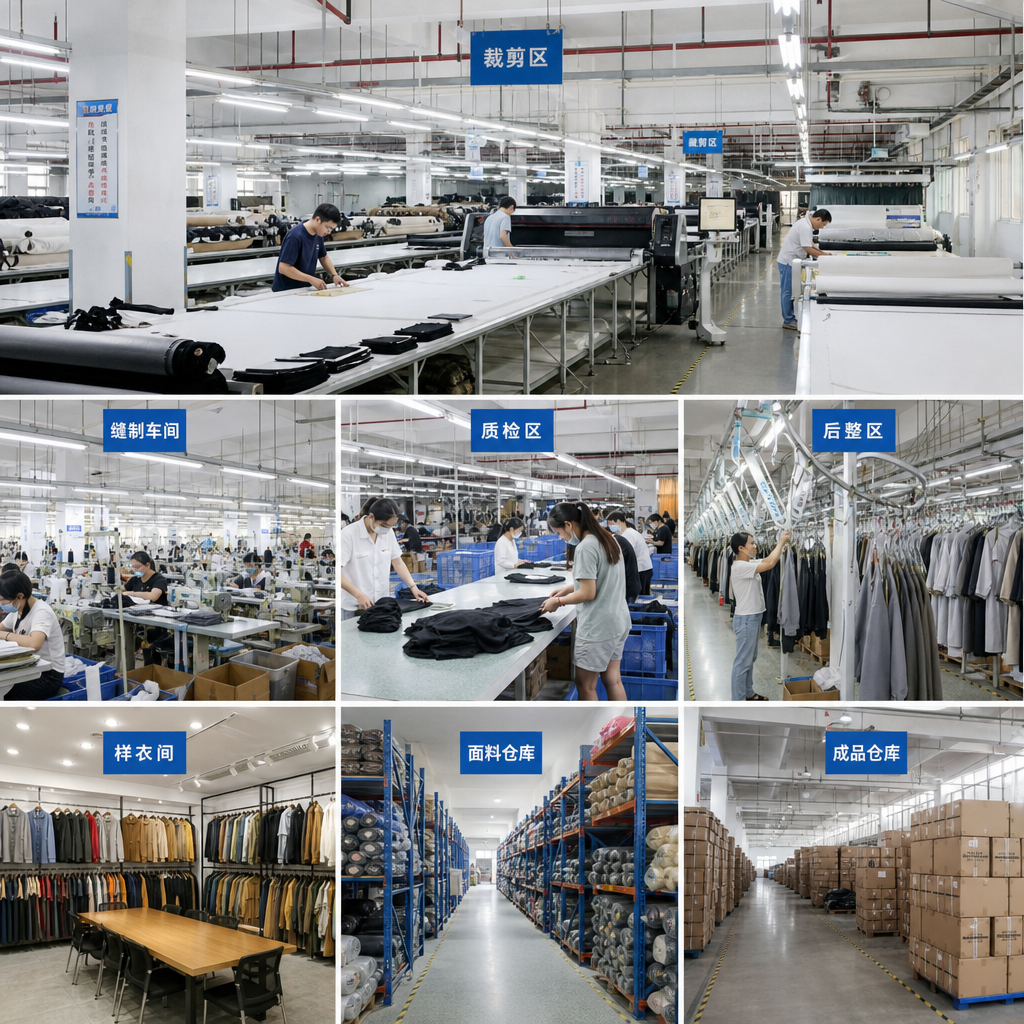
At Vison, we work with fashion startups, established brands, wholesalers, and apparel distributors looking for reliable OEM manufacturing in China.
Our production covers T-shirts, hoodies, jackets, sweatpants, sweaters, and other knitwear. Beyond manufacturing, we assist customers during product development by discussing fabrics, construction, printing, embroidery, washing techniques, and production planning before bulk orders begin.
For many first-time founders, having these conversations early helps avoid unnecessary revisions and keeps development moving in the right direction.
Whether you’re preparing your first sample or scaling an existing collection, our goal is to make the manufacturing process clear, practical, and efficient.
Learn more at https://visonclothing.com
Or contact our team directly at [email protected]
Final Thoughts
Starting a clothing brand on a small budget isn’t about finding shortcuts. It’s about making thoughtful decisions at every stage—from choosing your first product and controlling production costs to selecting the right manufacturing partner and learning from customer feedback.
Some of today’s well-known fashion brands began with a single product and a limited budget. What separated them wasn’t the size of their first order, but their willingness to test, improve, and grow one step at a time.
If you can build that habit from the beginning, your budget becomes less of a limitation and more of a reason to build your brand carefully.