When an apparel order is ready to leave the factory, there is one question we hear quite often:
Should we ship by sea or by air?
For a large clothing order, sea freight is usually the natural choice. But that does not mean air freight is only for emergencies.
A small order can sometimes make more sense by air, especially when the shipment needs to arrive quickly and the freight cost is still reasonable compared with the value of the goods.
The right choice depends on more than the shipping price.
Order volume, delivery deadline, product value, destination, and inventory plan all matter.
Here is how I normally look at it from the factory side.
Sea Freight vs Air Freight for Clothing Orders
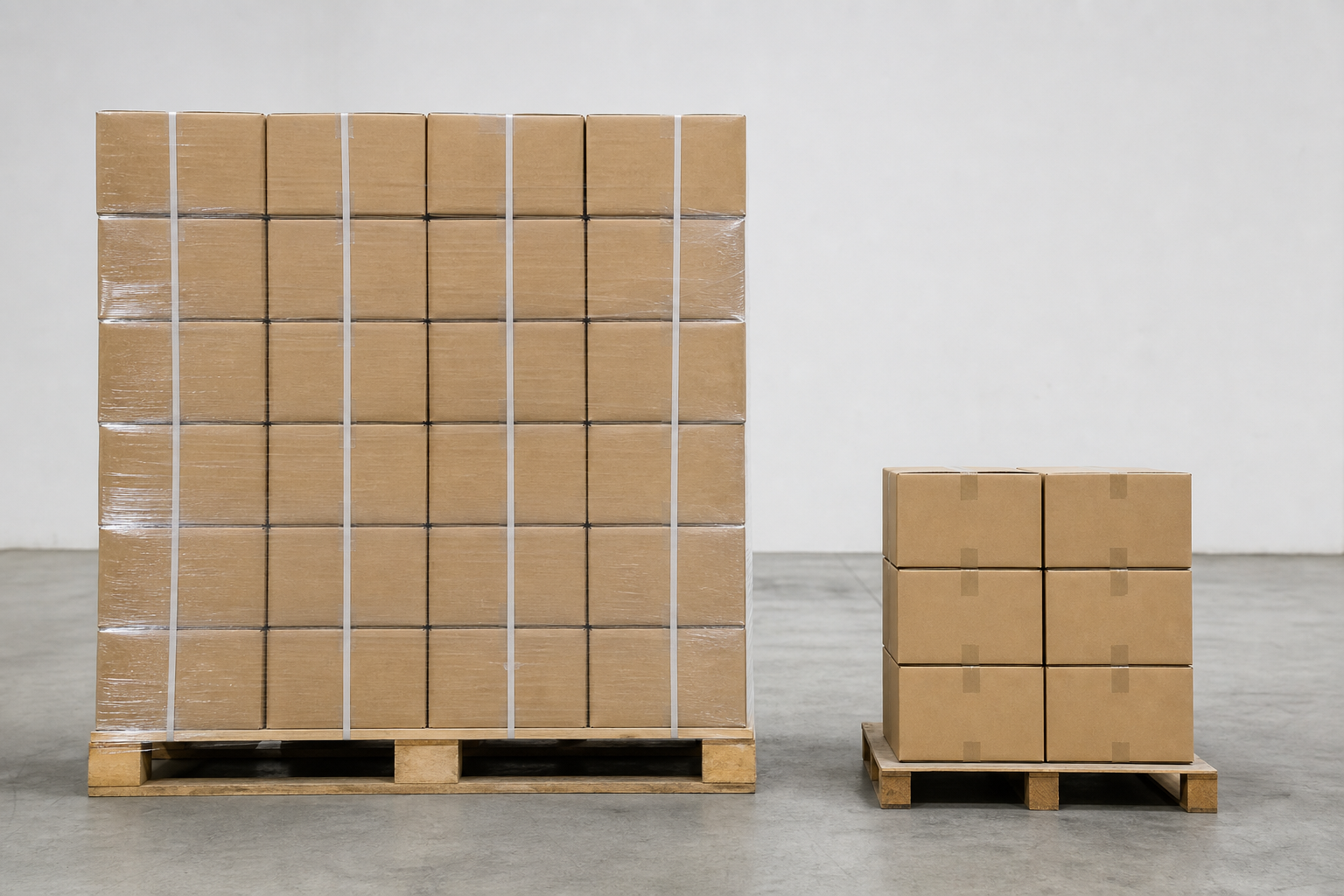
The basic difference is straightforward.
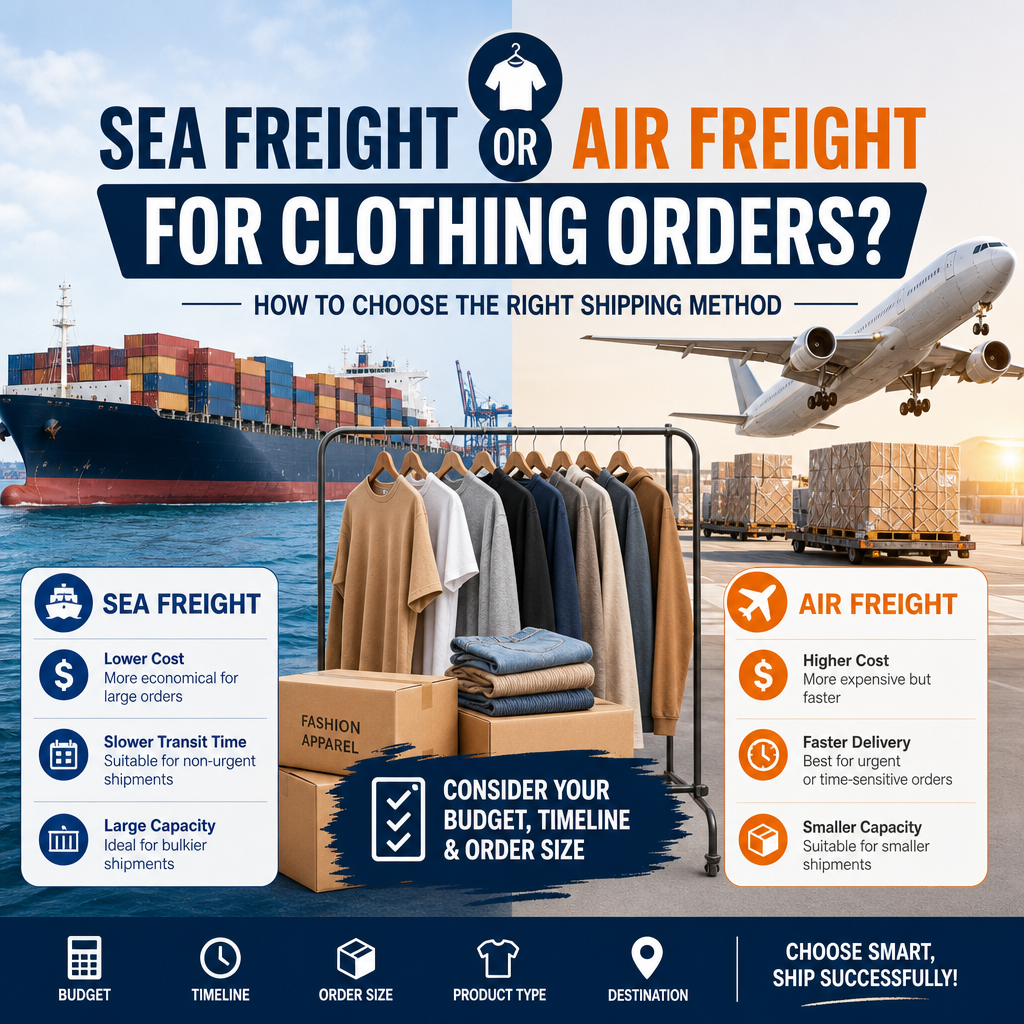
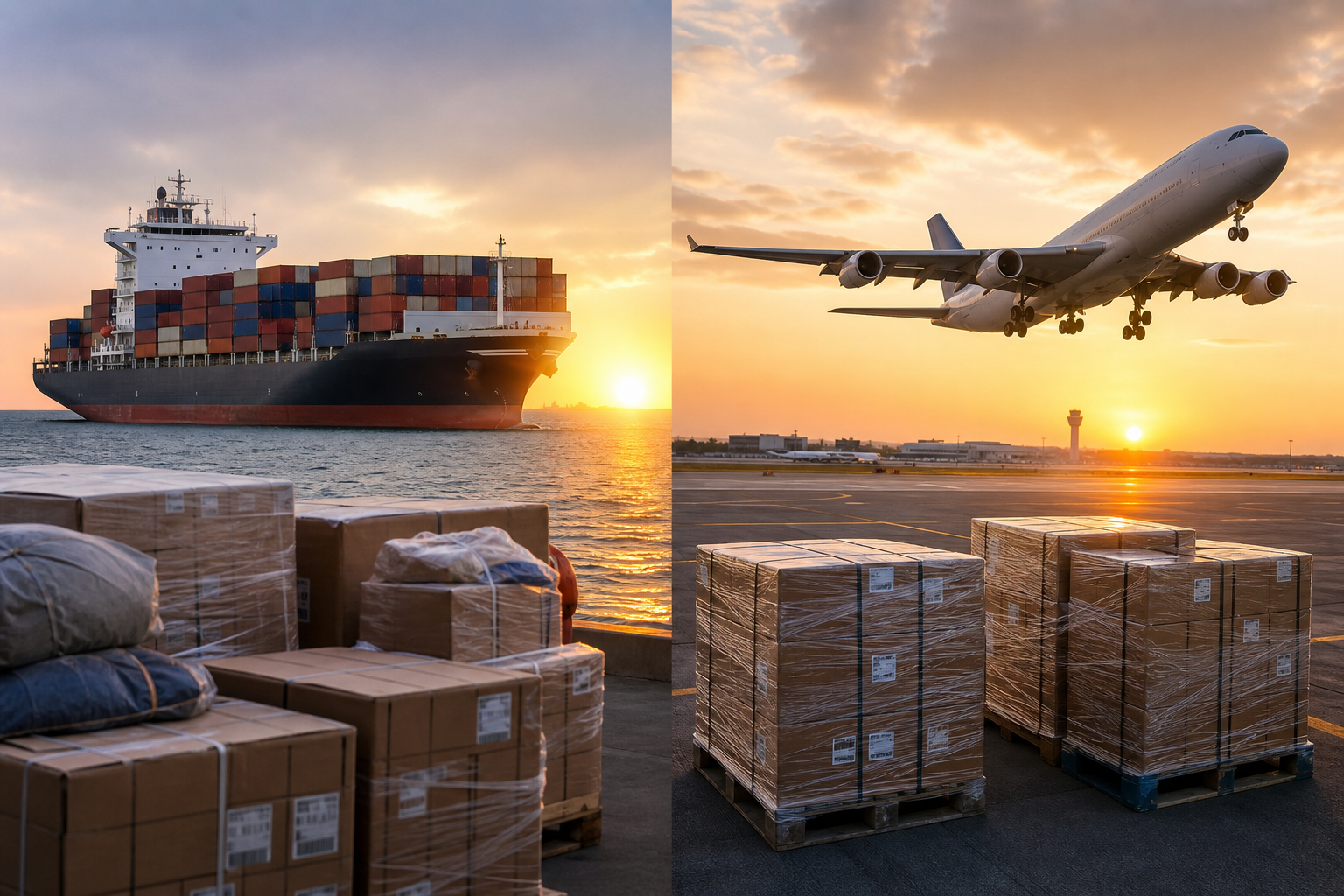
Sea freight takes longer but usually costs less for larger shipments. Air freight is much faster but normally costs more.
For apparel buyers, the better comparison is the total logistics cost per garment, not just the freight quotation.
A shipment of 2,000 hoodies may take up considerable space and weight. Moving that quantity by air can add a significant amount to the landed cost.
A small shipment of 100 T-shirts is different. The total freight bill may be much easier to absorb, particularly when getting the products into the warehouse quickly is important.
The same shipping method does not work equally well for every order.
When Does Sea Freight Make More Sense?
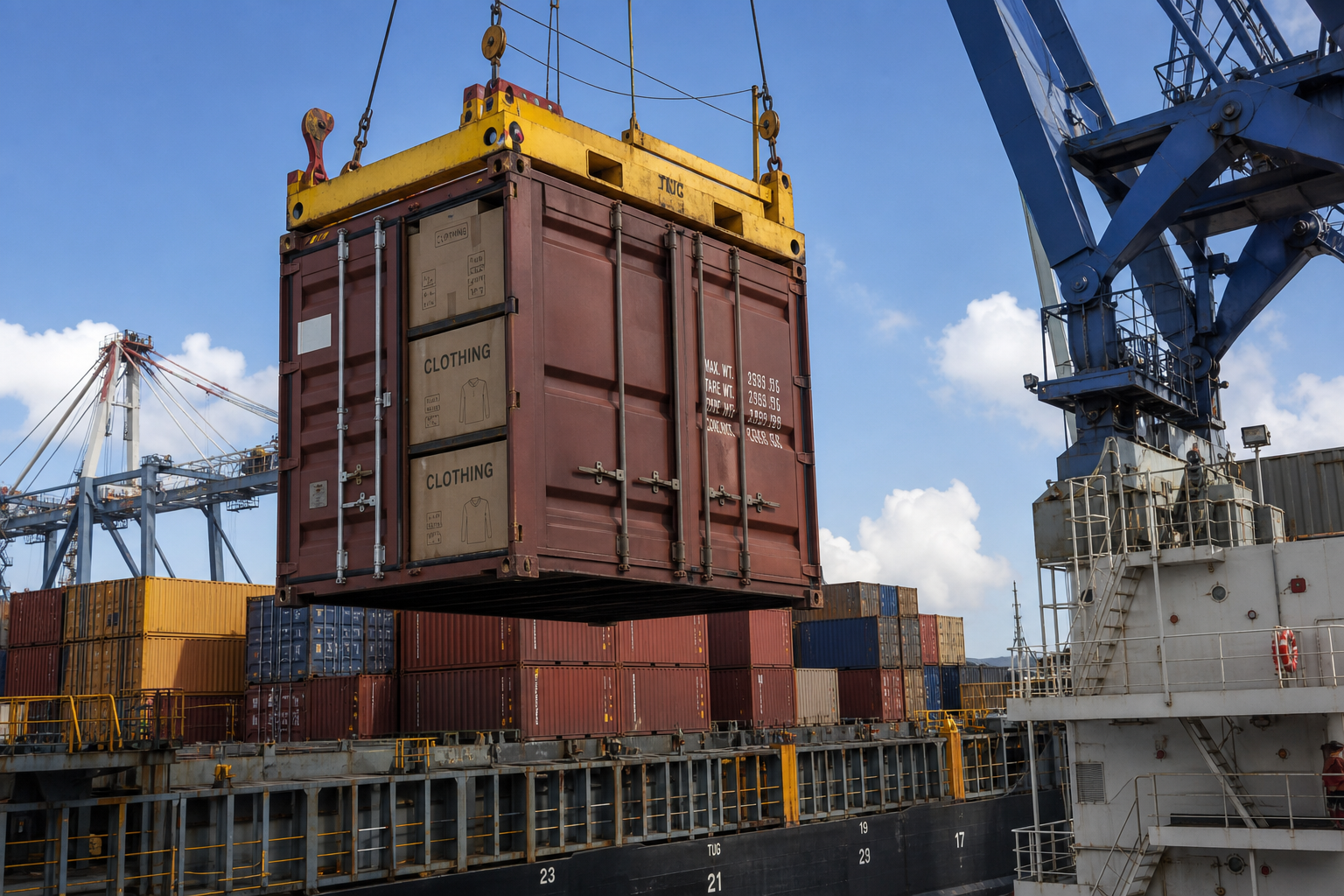
Sea freight is generally suitable for larger apparel shipments.
If you are importing several hundred cartons of clothing, the cost advantage can become substantial.
It is especially practical when the production schedule gives you enough time to wait for the shipment.
For example, suppose a European retailer is preparing its autumn collection.
The products are finished several weeks before the planned launch.
There is no reason to pay a large air freight premium simply to get the goods there a little earlier if the inventory can arrive by sea before the sales period begins.
Sea freight is also useful for repeat orders.
If you already know roughly how much stock you need each month, you can plan production and shipping together.
That makes logistics much easier to manage.
When Should You Consider Air Freight?
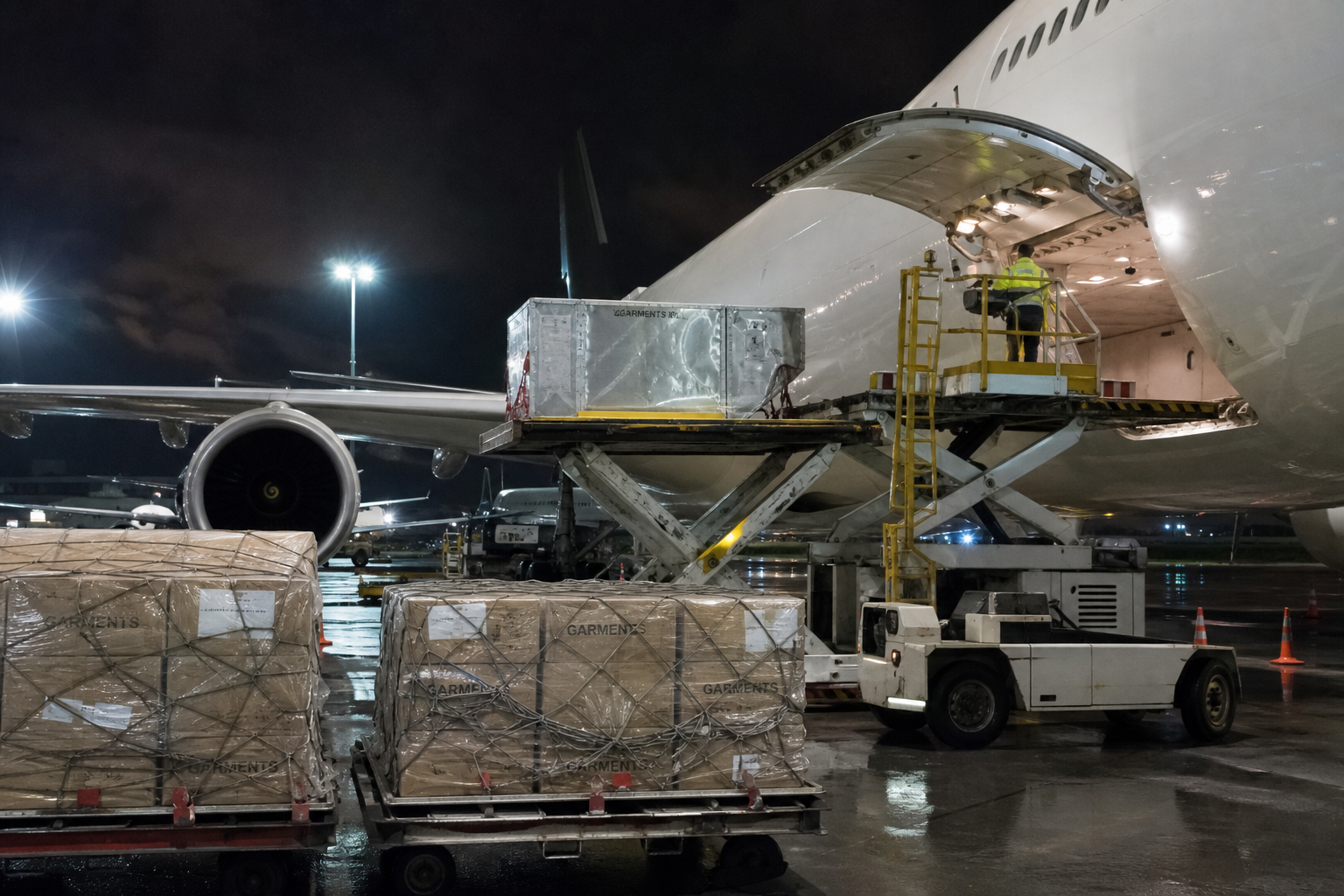
Air freight becomes more attractive when time is more important than freight cost.
This often happens with:
- Small initial orders
- Urgent replenishment
- Product launches
- Seasonal products
- Samples and approval pieces
- Last-minute stock shortages
Imagine a brand sells out of a popular hoodie shortly before a major sales period.
Waiting several weeks for sea freight could mean losing sales.
In that situation, paying more for air freight may be commercially reasonable.
The important point is that the extra freight cost should be compared with the potential cost of running out of stock.
How Does Order Volume Affect the Shipping Decision?
Order volume is one of the first things I look at.
A small apparel order usually has less total weight and volume. Air freight can therefore be practical because the overall freight bill remains manageable.
As the shipment becomes larger, the cost difference between air and sea becomes much more noticeable.
Here is a simple way to think about it:
| Order Situation | Common Choice | Main Reason |
|---|---|---|
| Samples | Air / Courier | Speed |
| Small urgent order | Air | Shorter transit |
| Small non-urgent order | Air or Sea | Depends on cost |
| Medium order | Sea or Air | Compare landed cost |
| Large wholesale order | Sea | Lower freight cost |
| Large seasonal shipment | Sea | Volume and planning |
| Urgent replenishment | Air | Avoid stockout |
These are general guidelines rather than fixed rules.
Actual freight costs depend on the destination, shipment dimensions, weight, carrier, season, and service level.
Why Weight Is Not the Only Factor
This is something new importers sometimes overlook.
Air freight can be charged according to actual weight or volumetric weight, depending on which is higher.
Clothing is relatively light compared with many industrial products, but garments can take up a lot of space.
A carton full of hoodies may not be extremely heavy, but the carton still occupies a certain amount of aircraft capacity.
That is why you should give the freight forwarder accurate carton dimensions when asking for an air freight quotation.
For sea freight, volume is also important.
Larger shipments may be quoted according to container space or other shipment arrangements.
The factory should provide the estimated carton quantity, carton size, gross weight, and total volume before the final shipping plan is confirmed.
What Is Volumetric Weight in Air Freight?
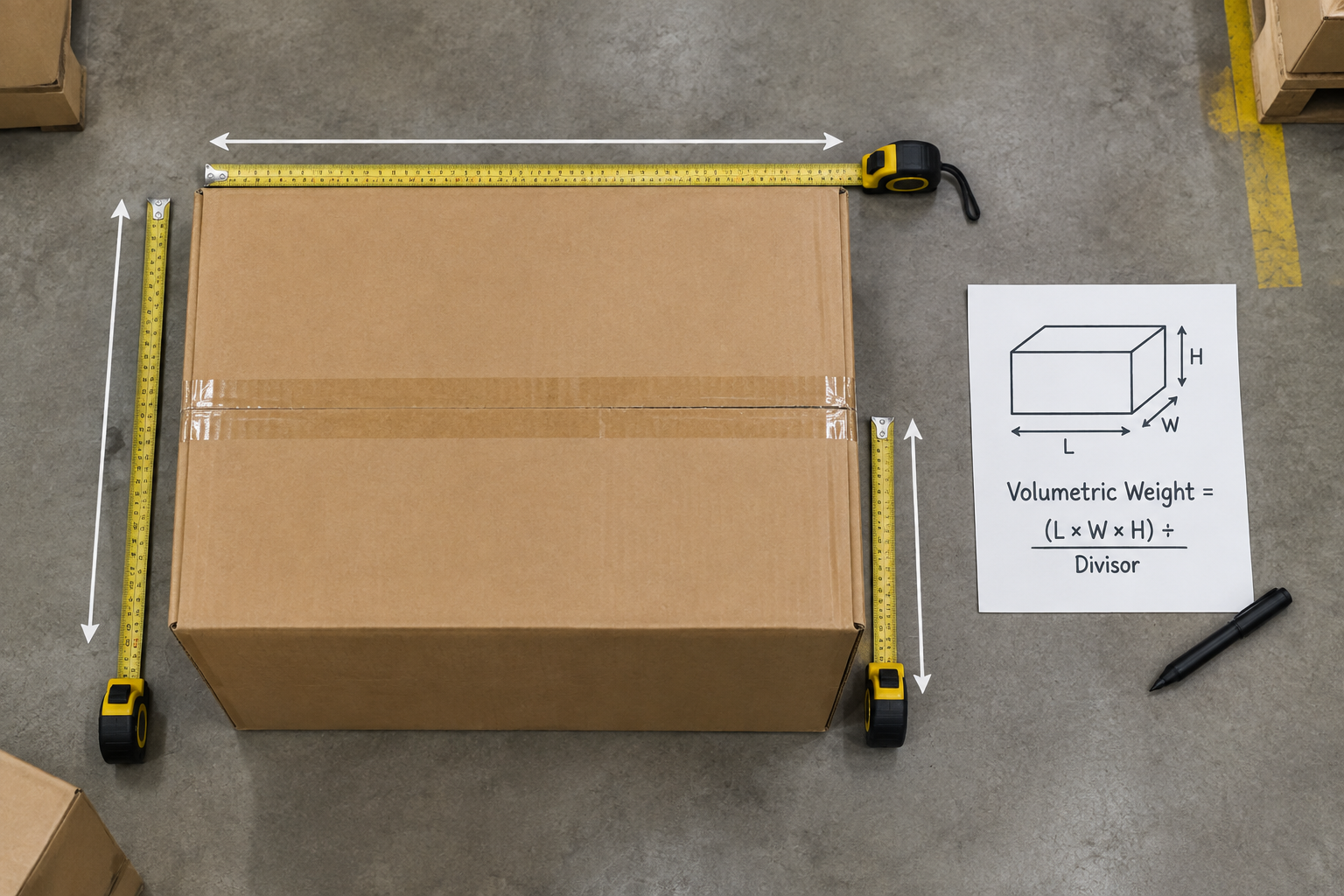
Volumetric weight is a way for airlines and carriers to account for cargo that takes up a lot of space relative to its actual weight.
The exact calculation can vary by carrier and service.
A commonly used formula is:
Length × Width × Height ÷ dimensional factor
The resulting figure is compared with the actual weight, and the higher chargeable weight may be used.
This is why simply saying:
“My clothing order weighs 300 kg.”
may not be enough to calculate the final air freight cost.
The carton dimensions are also needed.
For an apparel buyer, it is useful to ask the supplier for the estimated gross weight and CBM before booking transportation.
What About Shipping Samples?
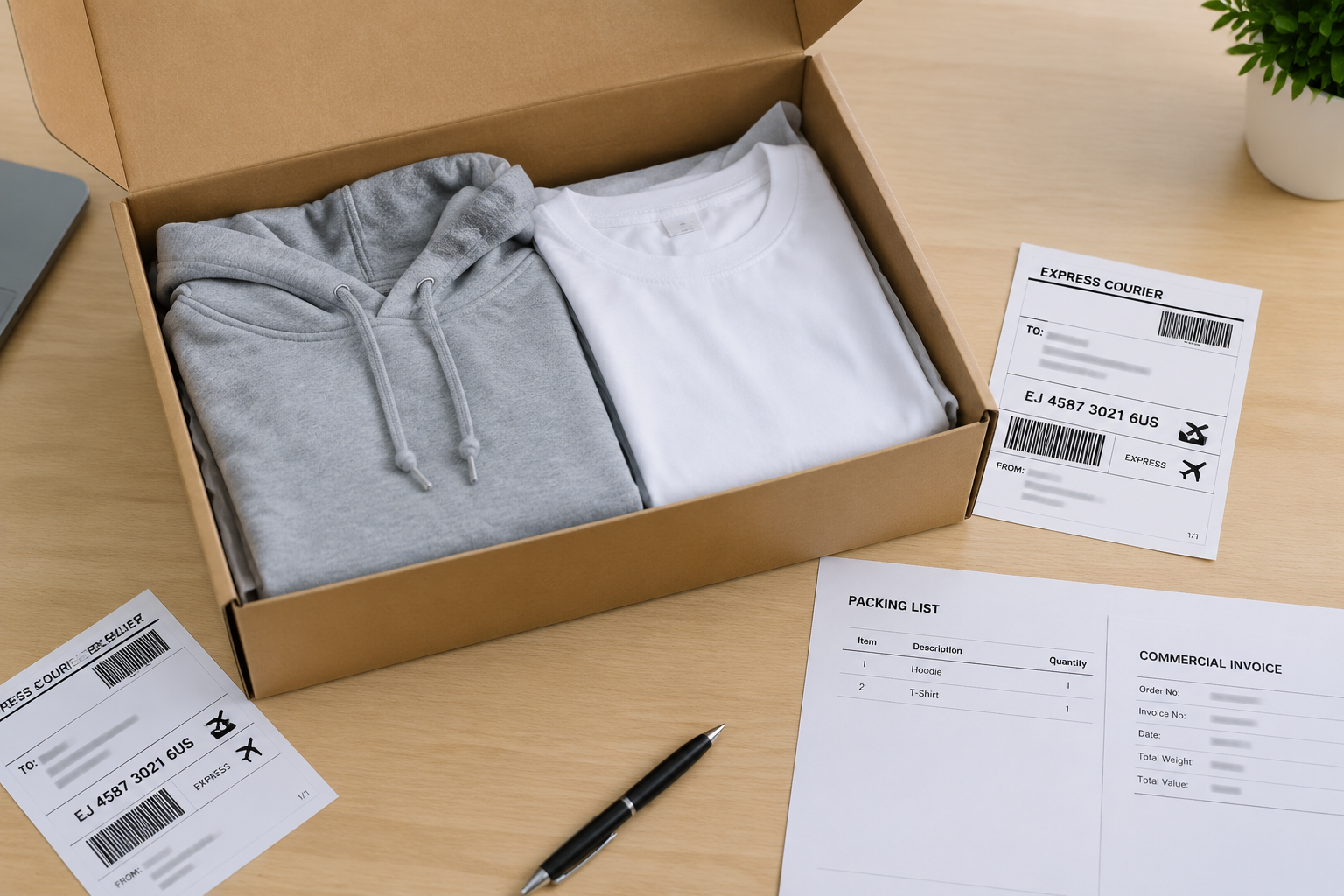
Samples are a different case.
You usually do not want to wait for a full sea shipment just to receive a few pieces.
For pre-production samples, fit samples, and approval samples, courier or air shipping is normally more practical.
The value of the sample may be relatively small compared with the time saved.
For example, if a buyer needs to check a hoodie before approving bulk production, waiting weeks for a sea shipment would delay the entire production schedule.
A fast sample shipment can actually help reduce the overall lead time of the order.
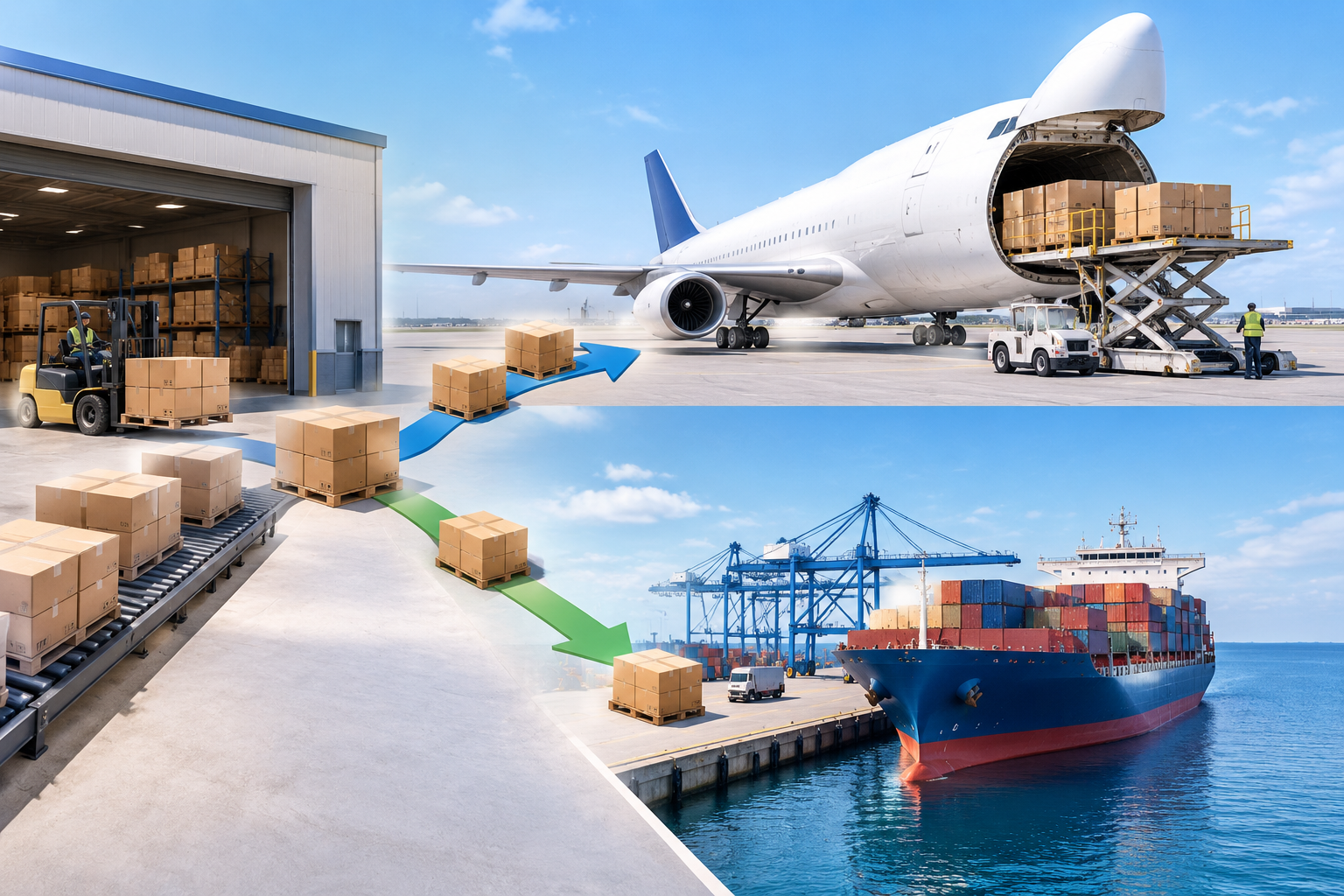
Should Small Clothing Orders Always Go by Air?
Not necessarily.
If the order is small but there is no urgent deadline, sea freight may still be worth considering.
This is particularly true if the destination has reliable ocean services and the buyer has enough inventory time.
The question should be:
How much is speed worth for this order?
If air freight adds $1,000 to the shipment but allows a retailer to launch the collection on time, the extra cost may be acceptable.
If the products are simply going into warehouse stock with no immediate sales deadline, paying that premium may not make sense.
How Does Shipping Time Affect Inventory?
Shipping should be planned together with inventory.
This is particularly important for fashion products.
Suppose a brand sells a seasonal hoodie.
If the buyer waits until the product is almost sold out before placing a repeat order, there may not be enough time for standard production plus sea freight.
The buyer then has two choices:
Wait and risk a stockout.
Or pay more for faster transportation.
Neither is ideal.
A better approach is to forecast demand early and leave enough time for production and ocean shipping.
Air freight can still be kept as a backup for urgent replenishment.
Sea Freight Can Be Cheaper, but Look at the Total Cost
It is easy to compare:
Sea freight = $X
Air freight = $Y
and choose the lower number.
For a real purchasing decision, I would look at the full landed cost.
That can include:
- Product cost
- Freight
- Customs-related charges
- Duties and taxes where applicable
- Destination handling
- Local delivery
- Warehousing
- Insurance where applicable
A freight quote that looks cheap may not include every charge.
When comparing forwarders, make sure you understand what is included in each quotation.
This is especially important when comparing different shipping terms.
How Incoterms Affect the Shipping Cost
The factory quotation may use an Incoterm such as EXW, FOB, CIF, or DDP.
These terms determine which party is responsible for different parts of the transportation and delivery process.
For example, with FOB, the buyer generally takes responsibility for the main ocean or air transportation after the agreed point of shipment.
With DDP, the supplier may arrange delivery to the agreed destination and handle additional import-related responsibilities according to the specific agreement.
Because the scope of each term is different, buyers should not compare a FOB product price with a DDP product price as if they were the same thing.
When reviewing a clothing supplier quotation, check the shipping term before comparing prices.
Sea Freight or Air Freight for Different Order Sizes
There is no universal weight or quantity that automatically determines the correct shipping method.
Still, a rough planning framework can be useful.
Small Order
For a small order of samples or a limited production run, air freight or courier service can be convenient.
The total freight cost may be acceptable, and the faster delivery can save time.
Medium Order
For a medium-sized shipment, compare both options.
This is where the destination and delivery deadline become particularly important.
If the price difference is moderate and the products are needed quickly, air may be worth considering.
If there is plenty of time, sea freight can reduce the landed cost.
Large Order
For large wholesale shipments, sea freight will often be the more economical option.
The larger the shipment becomes, the more important freight efficiency becomes.
At this stage, proper production planning can make a bigger difference than simply choosing the cheapest carrier.
What About Partial Air and Partial Sea Shipping?
This is an option that can work well for certain orders.
Suppose you have a large production order, but only part of it is urgently needed.
You do not necessarily have to send everything by air.
For example, a buyer could ship a small portion by air to support the initial launch while sending the remaining inventory by sea.
This approach increases logistics complexity, but it can reduce the pressure on the launch date without paying air freight on the entire order.
It is worth discussing with the factory and freight forwarder before production is completed.
The cartons need to be planned correctly so that the urgent quantity can be separated easily.
How Can Clothing Buyers Reduce Shipping Costs?
Shipping costs cannot always be reduced by negotiating harder with the freight forwarder.
Packaging can make a difference.
Well-designed cartons can use space more efficiently.
For example, excessive empty space inside cartons increases the volume without increasing the number of garments.
Folding and packing methods can also affect carton dimensions.
However, packaging should not be compressed so aggressively that the garments arrive with unacceptable wrinkles or damage.
The right balance depends on the product.
For bulky hoodies and jackets, carton volume can become particularly important.
This is something we can review before the final packing method is confirmed.
What Information Does a Freight Forwarder Need?
When requesting a shipping quotation, give the forwarder enough information.
For an apparel shipment, this normally includes:
- Number of cartons
- Carton dimensions
- Gross weight
- Total CBM
- Pickup location
- Destination
- Shipping method
- Desired delivery date
- Product description
Without this information, the initial freight quotation may only be an estimate.
Before the goods leave the factory, the final carton count and measurements should be confirmed.
How We Handle Shipping at Vison Clothing
At Vison Clothing, we manufacture OEM apparel for brands, wholesalers, and apparel buyers.
Shipping is usually discussed before the order reaches the final packing stage.
For a small order, we can help estimate the carton quantity, dimensions, weight, and volume so the buyer can compare air and sea options.
For larger orders, we look at the production schedule and expected shipping date together.
If the buyer has a fixed launch date, we work backward from that date.
That gives us a clearer idea of when production needs to finish and whether there is enough time for standard sea freight.
We do not recommend air freight simply because it is faster.
If the order does not need to arrive quickly, the extra freight cost may not provide much value.
On the other hand, if a shipment is time-sensitive, waiting for a cheaper method can create a bigger business problem.
The shipping method should fit the actual order.

A Simple Decision Guide for Apparel Buyers
Before choosing sea or air freight, I would check these five questions:
How many garments are being shipped?
A larger order usually needs a closer look at sea freight.
How soon do the goods need to arrive?
A fixed launch or replenishment date can change the decision.
What is the total shipment volume and weight?
Do not calculate air freight from garment weight alone.
What is the value of the inventory?
Higher-value products may be easier to justify shipping quickly.
What happens if the shipment arrives late?
If a delay means a missed season or stockout, speed may have a real commercial value.
Once you have these numbers, the decision becomes much easier.
FAQ
Is sea freight cheaper than air freight for clothing?
Sea freight is generally more cost-effective for larger shipments, while air freight is faster. The actual difference depends on shipment size, destination, carrier, and service.
Is air freight suitable for small clothing orders?
It can be. Small orders often have lower total freight costs, so the speed of air transportation may justify the higher cost.
How long does clothing shipping take by sea?
Transit time varies by origin, destination, route, carrier, and port conditions. Buyers should confirm the current transit estimate with their freight forwarder rather than relying on a fixed number.
How long does air freight take for apparel?
Air freight is normally much faster than ocean transportation, but total delivery time also includes pickup, export handling, customs clearance, and final delivery.
Should samples be shipped by air?
Usually, yes. Samples are generally time-sensitive, and a fast shipment can prevent delays in fit approval and bulk production.
What is CBM in clothing shipping?
CBM means cubic meter. It measures the volume occupied by the shipment and is commonly used when planning ocean freight.
Is DDP cheaper than FOB?
Not necessarily. DDP and FOB cover different parts of the shipping and delivery process, so buyers should compare the complete landed cost rather than just the product quotation.
Can I split one clothing order between air and sea freight?
Yes, this can be possible. Some buyers send a smaller urgent quantity by air and the remaining goods by sea.
Final Thoughts
There is no single shipping method that works for every apparel order.
For large, planned shipments, sea freight can help control the landed cost. For small or urgent shipments, air freight can save valuable time.
The best choice comes from looking at the whole order rather than the freight price alone.
If you are preparing an OEM clothing order, we can provide the estimated carton quantity, dimensions, weight, and volume so you can compare shipping options before the goods are ready to ship.
At Vison Clothing, we work with brands and wholesale buyers on T-shirts, hoodies, jackets, pants, sweaters, and other OEM apparel.